Items: 38
Scientists have used a centrifuge to study how a tsunami wave affects soil, and hope that the results can help protect coastal infrastructure.
Researchers have analysed possible uses of 'biological control' to reduce the amount of pesticides needed to fight the brown marmorated stink bug.
Researchers at Oregon State University have developed a new methodology for building computer models that paves the way to better understanding the flood risks faced by coastal communities. The research allows for better understanding the risk of flooding in coastal communities.
Researchers from Oregon State University have studied the aftermath of the magnitude 7.5 earthquake that occurred in Indonesia in September 2018. They hope to draw conclusions that could help the Pacific Northwest prepare for a future earthquake along the Cascadia Subduction Zone.
Tropical storms are likely to become more deadly under climate change, leaving people in Mexico and other developing countries, where there may be a lack of resources or poor infrastructure, at increased risk, new research from Oregon State University shows. Understanding the role of climate change could be crucial to develop strategies to prepare for future storms.
New research reveals that big earthquakes appear to follow a brief episode of shallow mantle creep and seismic swarms. The research offers an explanation for the foreshocks observed prior to large temblors, and represents an important step toward understanding the relationship and interactions between aseismic slip and seismic slip.
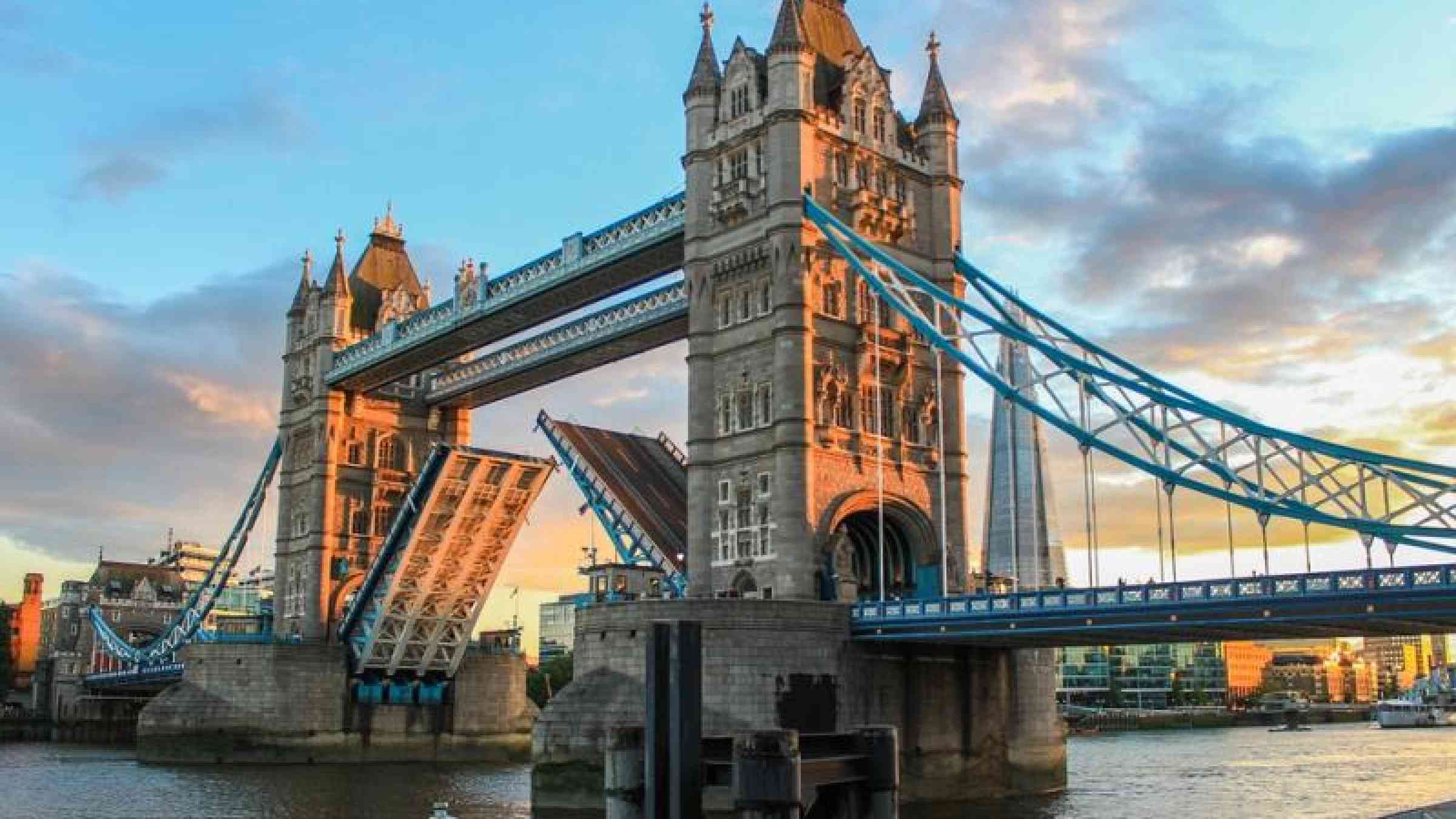
A new study argues that when determining a bridge's tsunami risk, it is not enough to think in terms of overall tsunami load on a bridge – the load on individual structural components needs to also be considered. Researchers have therefore developed a new physics-based methodology that engineers can use to design bridge features that better withstand tsunamis.
New research finds that forests in the Pacific Northwest will be less vulnerable to drought and fire over the next three decades than those in the Rocky Mountains and Sierra Nevada. The findings represent an important tool for scientists and land managers because woodlands are under increasing stress from accelerated rates of drought-related mortality.
Voluntary Commitments
The organization has no registered commitments.
The Sendai Framework Voluntary Commitments (SFVC) online platform allows stakeholders to inform the public about their work on DRR. The SFVC online platform is a useful toolto know who is doing what and where for the implementation of the Sendai Framework, which could foster potential collaboration among stakeholders. All stakeholders (private sector, civil society organizations, academia, media, local governments, etc.) working on DRR can submit their commitments and report on their progress and deliverables.
Contact information
Fax:
+420 241760603