Items: 29

The Columbus Climate Adaptation Plan (CCAP) is the result of four years of effort that involved looking critically at climate change impacts, risks, and vulnerabilities in Columbus.
New research finds that glaciers in the Andes mountains and the Tibetan plateau are melting more rapidly than at any point in the last 10,000 years, potentially triggering avalanches and floods while jeopardizing future water supply. By 2100, half the ice will disappear under the best case scenario - the worst case scenario predicts a decline of two-thirds.
New research finds that rising sea levels driven by climate change are increasing the salinity of soil, and this is likely to force about 200,000 coastal farmers in Bangladesh inland as glaciers melt into the world’s oceans. Farming families with the fewest resources have the worst adaptive capacity and will be hardest hit by this threat.
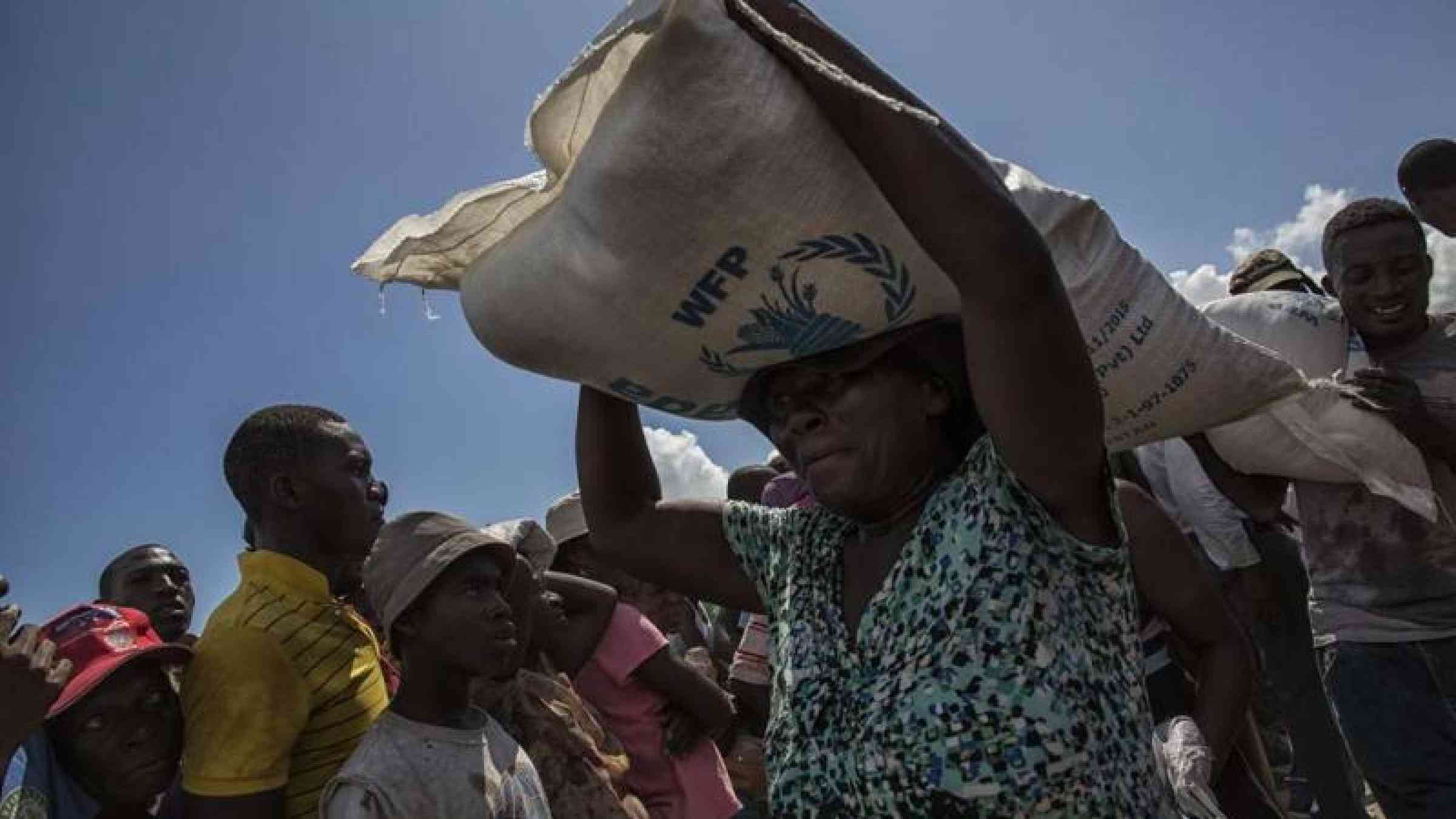
New study finds that the combination of climate-induced food scarcity and state fragility increases the risk of violence, suggesting that efforts should be focused on strengthening government institutions in vulnerable countries and helping them invest in “green growth” policies aimed at increasing economic growth while fostering resilience to climate shocks.
Background
Voluntary Commitments
The organization has no registered commitments.
The Sendai Framework Voluntary Commitments (SFVC) online platform allows stakeholders to inform the public about their work on DRR. The SFVC online platform is a useful toolto know who is doing what and where for the implementation of the Sendai Framework, which could foster potential collaboration among stakeholders. All stakeholders (private sector, civil society organizations, academia, media, local governments, etc.) working on DRR can submit their commitments and report on their progress and deliverables.
Contact information
Fax:
+18 094728621