Items: 43
New research shows that climate warming affects farmlands by increasing pests but not their natural predators, resulting in reduced crop yields. The study provides the first experimental evidence of how the interactions between agricultural plants, greenflies and tiny parasitoid wasps are affected in a world where temperatures are increased by 1.4°C.
New research shows that extreme daily rainfall events are increasing as would be expected from the levels of regional or global warming that we are experiencing. The amount of water falling in hourly rain storms is increasing at a rate 2 to 3 times higher than expected, with widespread implications for flooding.
The risk of man-made earthquakes due to fracking is greatly reduced if high-pressure fluid injection used to crack underground rocks is 895m away from faults in the Earth’s crust. The recommendation, from the ReFINE (Researching Fracking) consortium, is based on published microseismic data from 109 fracking operations carried out predominantly in the USA.

A new landmark study warns that the impact of flooding, droughts and heatwaves by 2050-2100 will exceed previous predictions. The research highlights the substantial challenge European cities face in managing climate risks and underscores the urgent need to design and adapt cities to cope with these future conditions.
The first Urban Observatory in the United Kingdom provides a digital view of the interactions in cities, and how they might be impacted by climate change. The data collected on different processes and interactions in the city, such as on energy use, rainfall, and flooding, is meant to be used for planning future city development and management.
Researchers are using satellite data to map the movement of the earth before a landslide in a bid to develop a life-saving early warning system. Before and after images of the landslides provides vital information about the extent of the disaster, and can be used to assess the future risk in the area.
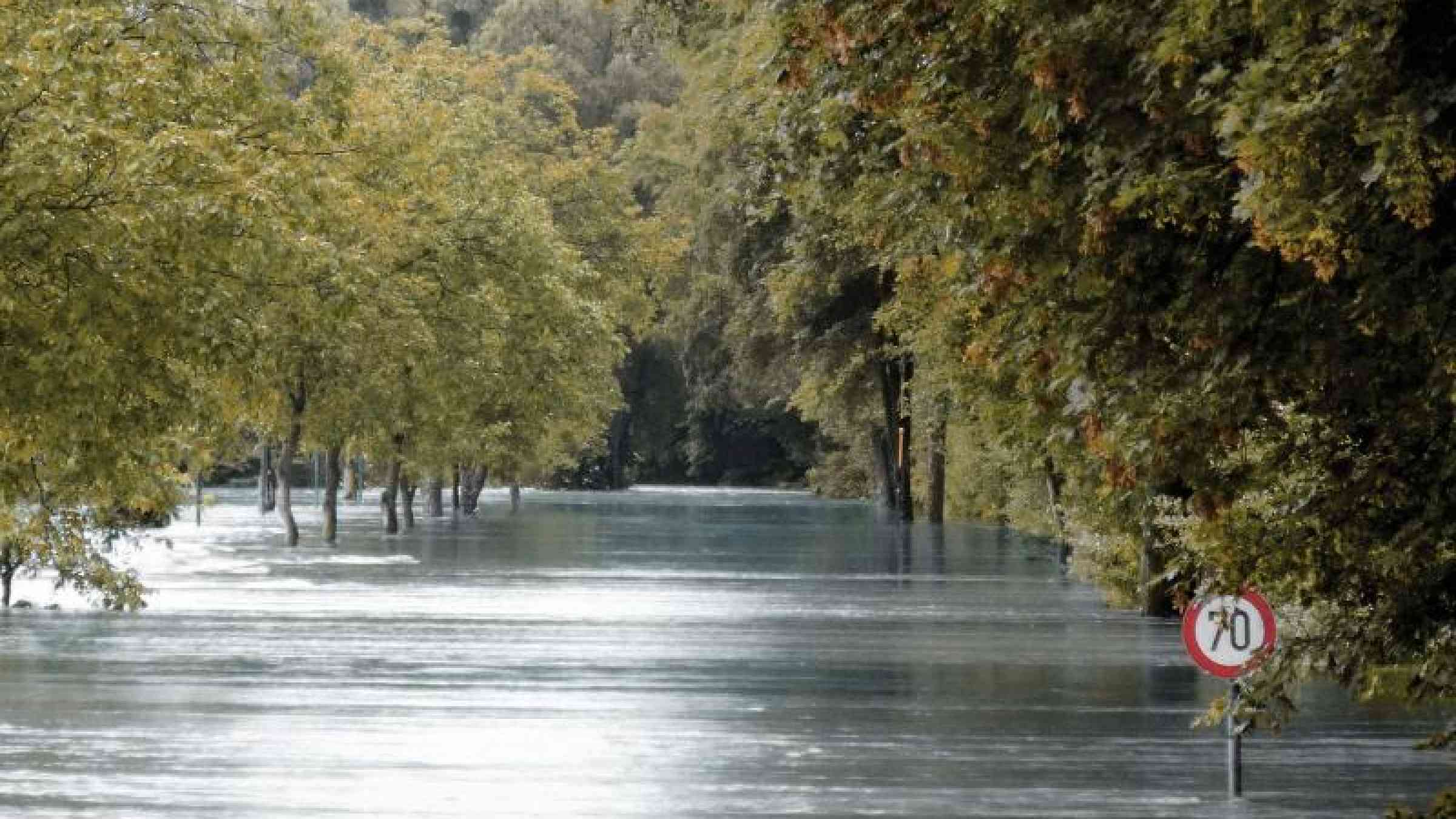
Flood-hit communities are the best placed to collect information about flash flooding which might otherwise be underestimated or missed altogether, scientists at Newcastle University say. The citizen science approach offers the public an exciting opportunity to work alongside scientists, share valuable local knowledge and help foster a greater sense of community
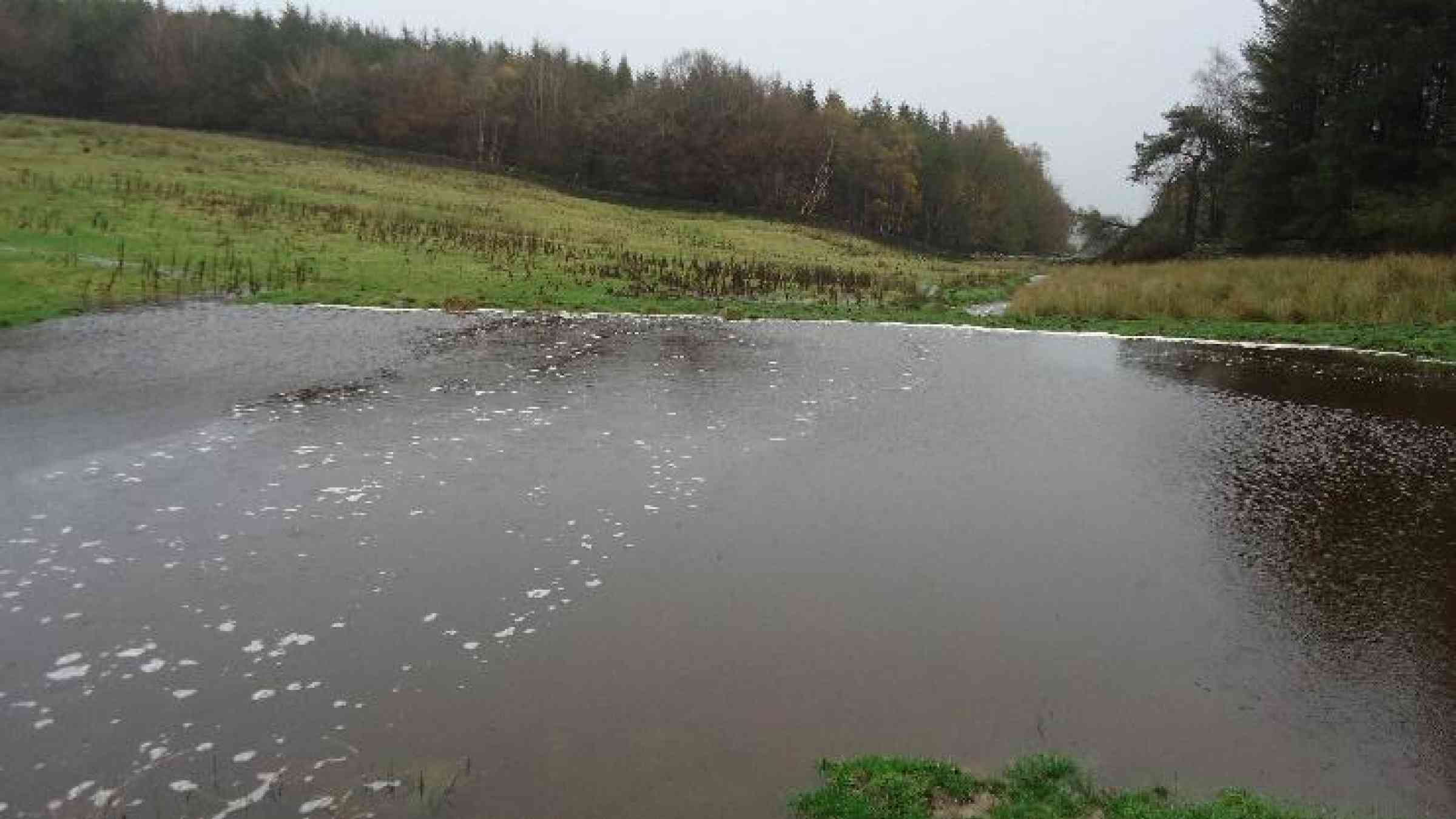
A team of Newscastle University is working on a number of Natural Flood Management projects to address increased risks of flooding. The involvement of local communities has proven essential to make such risk reduction schemes successful and sustainable.
Voluntary Commitments
The organization has no registered commitments.
The Sendai Framework Voluntary Commitments (SFVC) online platform allows stakeholders to inform the public about their work on DRR. The SFVC online platform is a useful toolto know who is doing what and where for the implementation of the Sendai Framework, which could foster potential collaboration among stakeholders. All stakeholders (private sector, civil society organizations, academia, media, local governments, etc.) working on DRR can submit their commitments and report on their progress and deliverables.
Contact information
Fax:
+41-22 739 73 27