Items: 128
A new building under construction in a flood-prone area of Manhattan is being built with the main floor more than four feet above the ground, with space for water to flow in and out through baffles. Learning from Superstorm Sandy, local regulations now require new commercial buildings on 100-year flood plains to be elevated or floodproofed.

The New York Times is presenting case studies in resilient design, focused on the New York City area. The series will look at steps being taken to resist floods, surges, high winds and heavy rains — steps that offer lessons to builders.
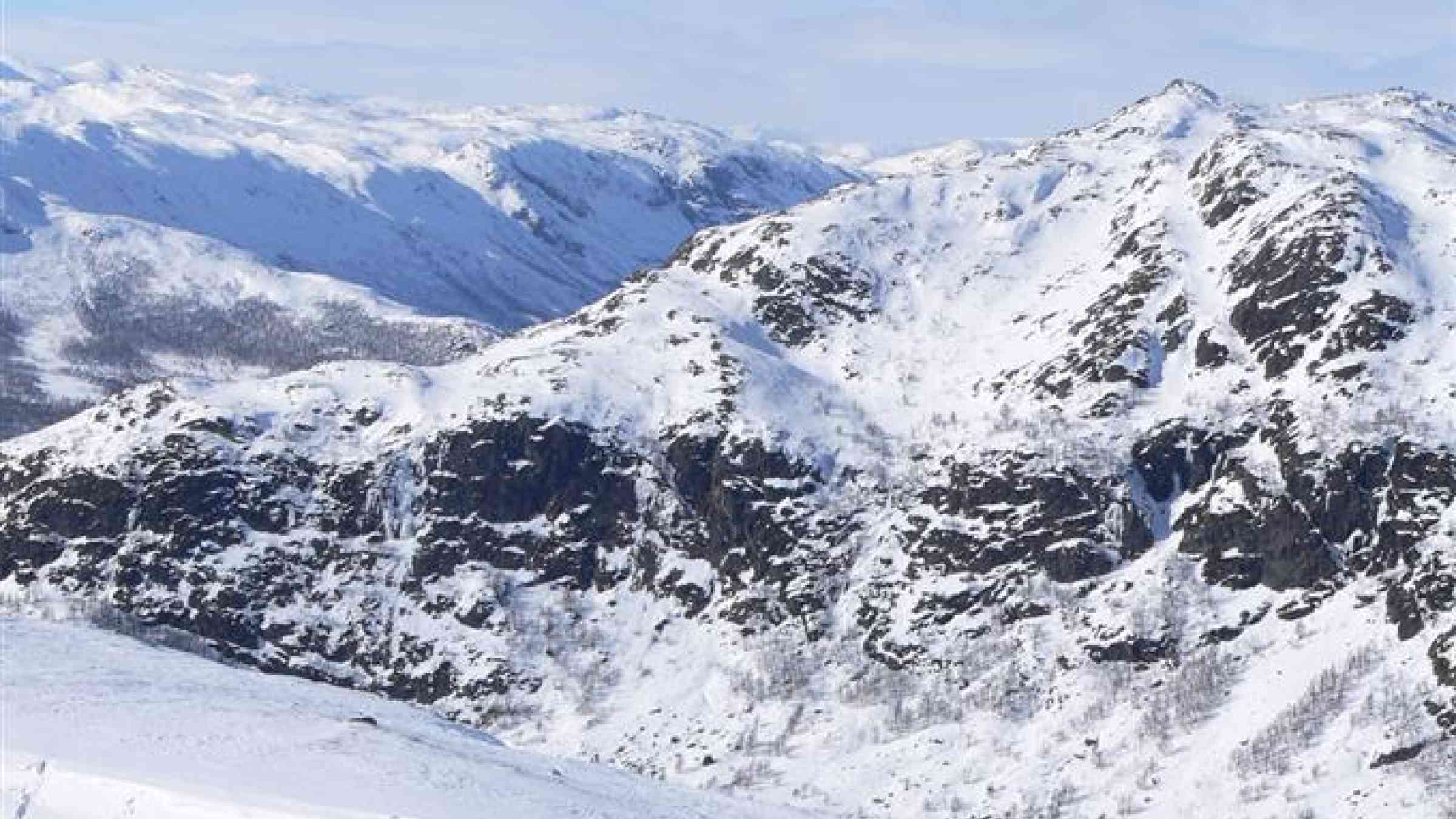
Research suggests avalanche forecasts have an 80 percent accuracy rate but human activity is a huge and unpredictable factor. People travelling in the backcountry usually understand avalanche forecasts and know how to read the terrain. However, there needs to be a better understanding of how they make decisions in a group, under different settings and different pressures.
The Thriving Earth Exchange, an effort by the American Geophysical Union, is one example of getting the right scientific expertise to the right problem - by connecting the global network of scientists with communities seeking science-based solutions. In a related and creditable move, the White House and partners have just announced the launch of “Resilience Dialogues.”
The reconstruction of houses destroyed in Nepal’s devastating earthquakes last year will not begin until April, a year after the first tremors hit, the newly appointed head of Nepal’s Reconstruction Authority has said, according to a report by New York Times. The government has allocated nearly $700 million for the reconstruction...
Meteorologists called Hurricane Patricia one of the most ferocious ever seen in the Western Hemisphere, reports the New York Times. Experts said that the lack of major damage in Mexico from Hurricane Patricia was a combination of luck and capable planning in a country that had learned from past disasters The storm, for instance, passed between two cities but hit neither directly...
The strength of this year’s El Niño has decimated rainfall levels across large stretches of Ethiopia and, in a cruel twist, may also bring flooding to some areas in the coming months, according to Ethiopian officials, the UN and the FEWS Network, a crisis monitoring group created by USAID, reports the New York Times...
The death toll for Chile's recent earthquake was much lower for several reasons, reports the New York Times. Not only did the earthquake affect a more focused area, but coastal residents were also better prepared this time round. The tsunami warnings also played a role in giving people enough time to get to safety, as did the improved emercency response system...
Voluntary Commitments
The organization has no registered commitments.
The Sendai Framework Voluntary Commitments (SFVC) online platform allows stakeholders to inform the public about their work on DRR. The SFVC online platform is a useful toolto know who is doing what and where for the implementation of the Sendai Framework, which could foster potential collaboration among stakeholders. All stakeholders (private sector, civil society organizations, academia, media, local governments, etc.) working on DRR can submit their commitments and report on their progress and deliverables.
Contact information
Fax:
+41-22-917-8076