
Items: 68

In Japan, where earthquakes, tsunamis, typhoons, and other natural disasters are observed more frequently than other countries, children grow up learning to recognize and respond to disaster risks from an early age.

To mark World Tsunami Awareness Day (WTAD), the United Nations Development Programme (UNDP) and the Government of Japan, through the regional Tsunami Project, hosted the Tsunami Amazing Race in Serangan Village, Denpasar city, Bali, Indonesia.
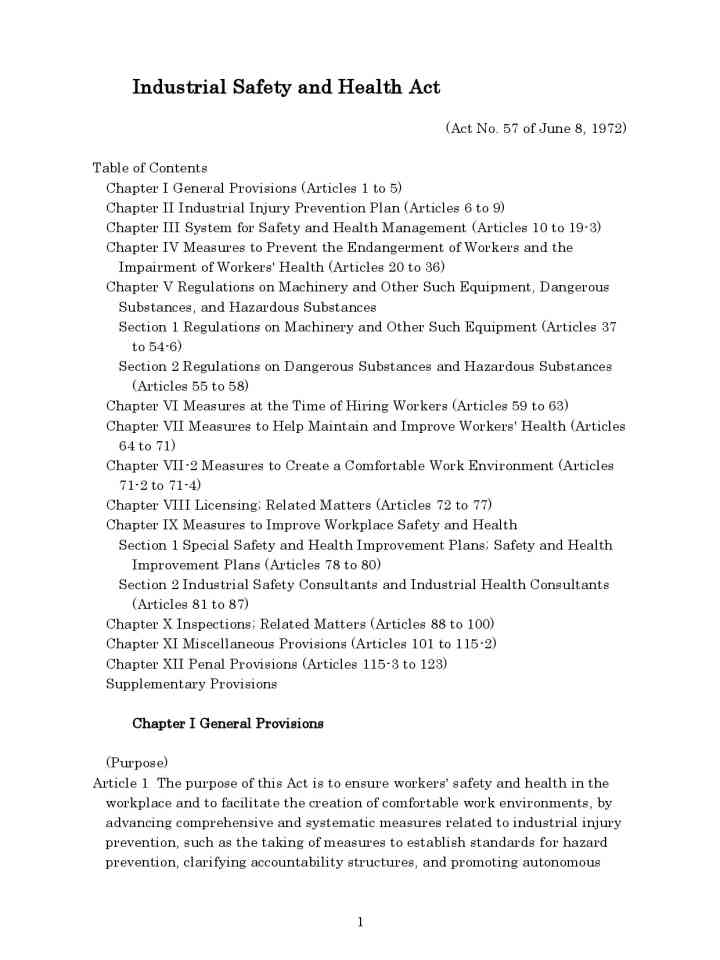
The Japanese Industrial Safety and Health Act mandates that employers should implement the necessary measures to prevent health impairments due to heat stress and recommends regular medical check-ups and environment monitoring.
Commemorating the 2004 Indian Ocean tsunami, 20 years on.
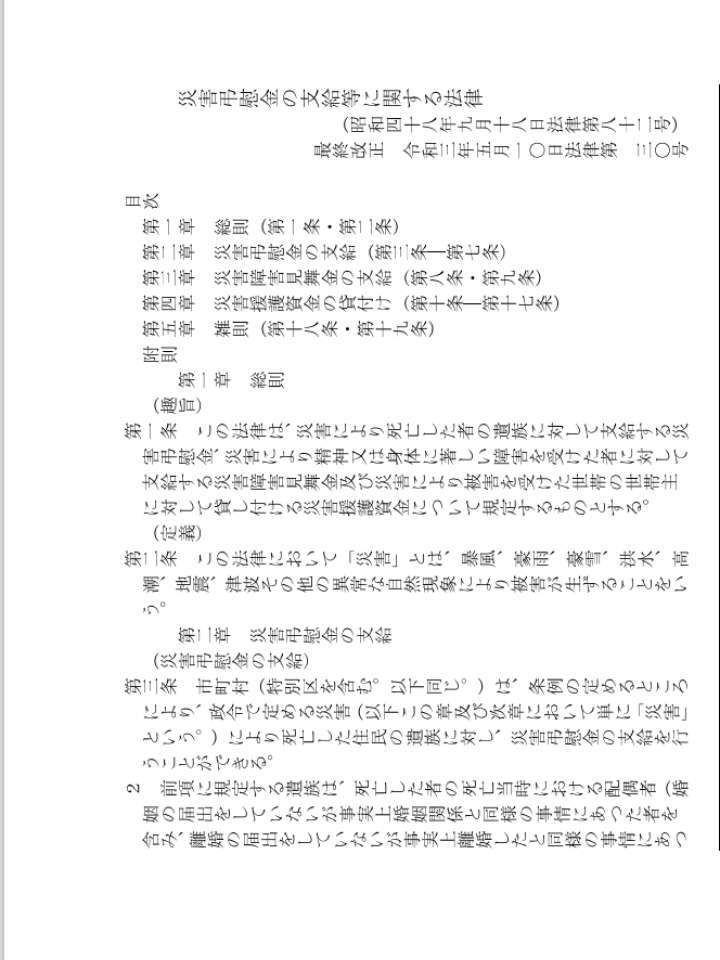
This law establishes criteria for regulating the provision of disaster relief funds.
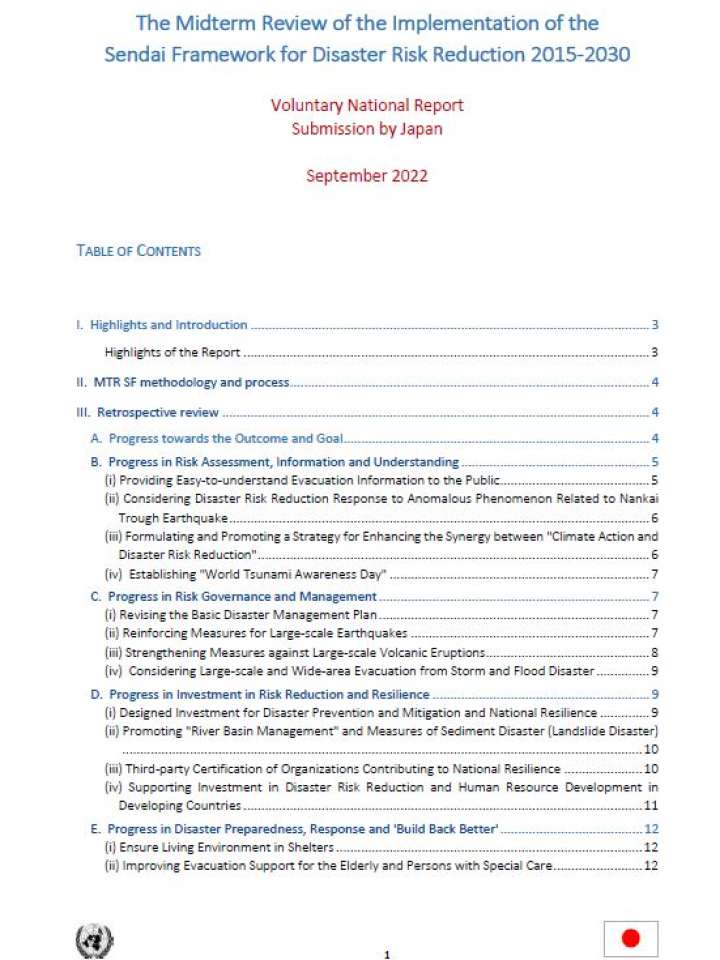
Japan's Voluntary National Report for the Midterm Review of the Implementation of the Sendai Framework for Disaster Risk Reduction 2015-2030 (MTR SF).
The Eighth LAS-Japan-UNDP Policy Roundtable will explore the emerging disaster risks from climate change to the Arab region and identify means and best practices for building resilience to climate disasters.
The 8th LAS-Japan-UNDP Policy Roundtable will focus on disaster risk reduction (DRR) with a special focus on climate-induced disasters and COP27.
Voluntary Commitments
The organization has no registered commitments.
The Sendai Framework Voluntary Commitments (SFVC) online platform allows stakeholders to inform the public about their work on DRR. The SFVC online platform is a useful toolto know who is doing what and where for the implementation of the Sendai Framework, which could foster potential collaboration among stakeholders. All stakeholders (private sector, civil society organizations, academia, media, local governments, etc.) working on DRR can submit their commitments and report on their progress and deliverables.
Contact information
Fax:
+44-20 7839 4700