Items: 94
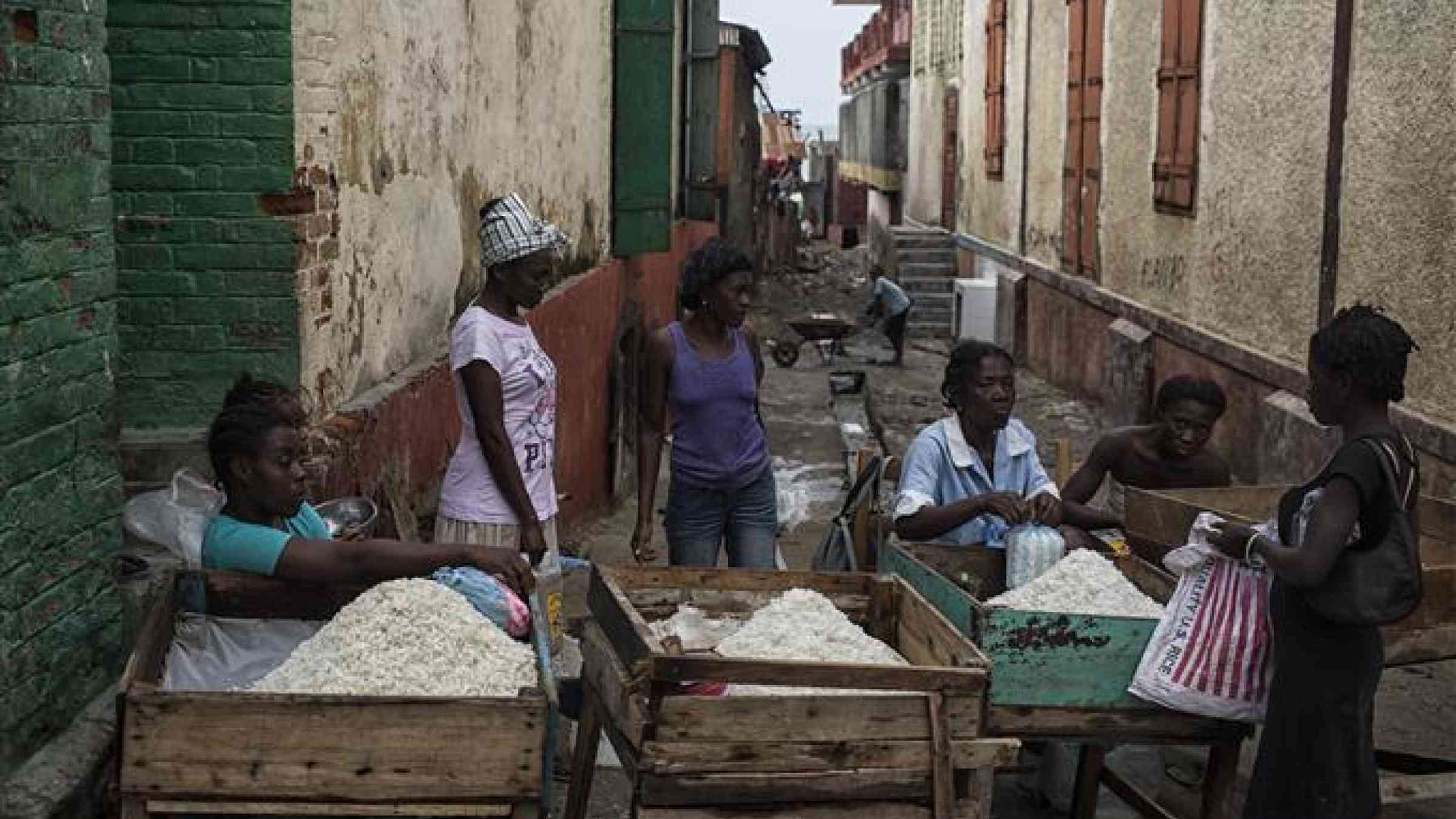
The inequality of risk, and the unequal way women and men experience and are impacted by crisis, is increasingly important in a world of more frequent and bigger disasters. A 2015 global study found that those responding to disasters are not aware that gender-based violence may increase in disasters, and are neither looking nor preparing for it.
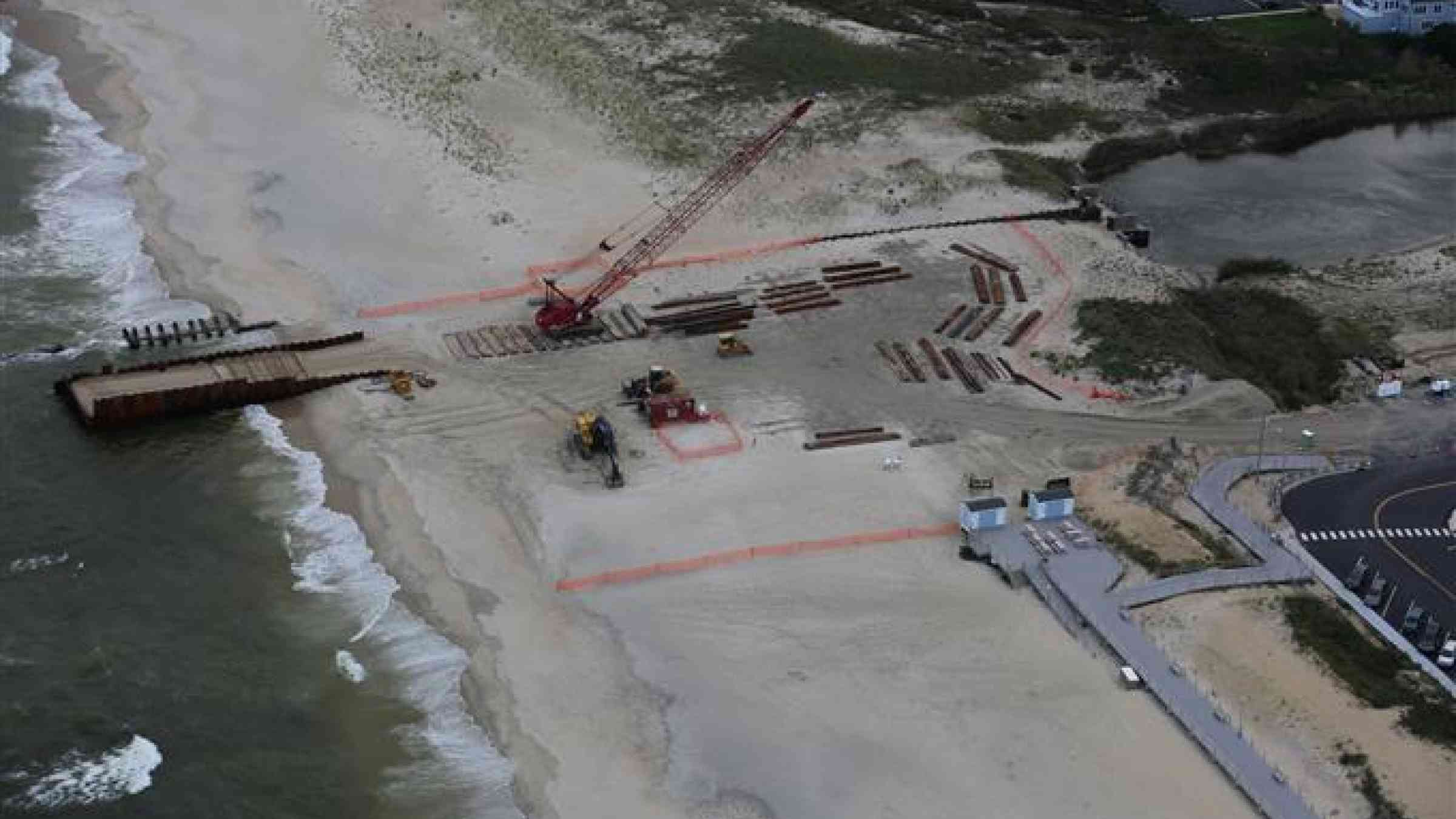
The Council on Climate Preparedness and Resilience has released a report that paves the way for building a more climate-resilient nation. The Obama administration has also announced the launch of a collaborative effort to support communities in their resiliency planning, and a partnership among universities that have pledged to train design and building professionals.
The need to adapt to the current impact of climate change is becoming more and more obvious in many cities, largely through extreme weather events. And no matter how much we hear that we should be abandoning the coast, the fact is there is a human dimension to climate adaptation that needs to be factored into resiliency planning and programs - emotional attachment.
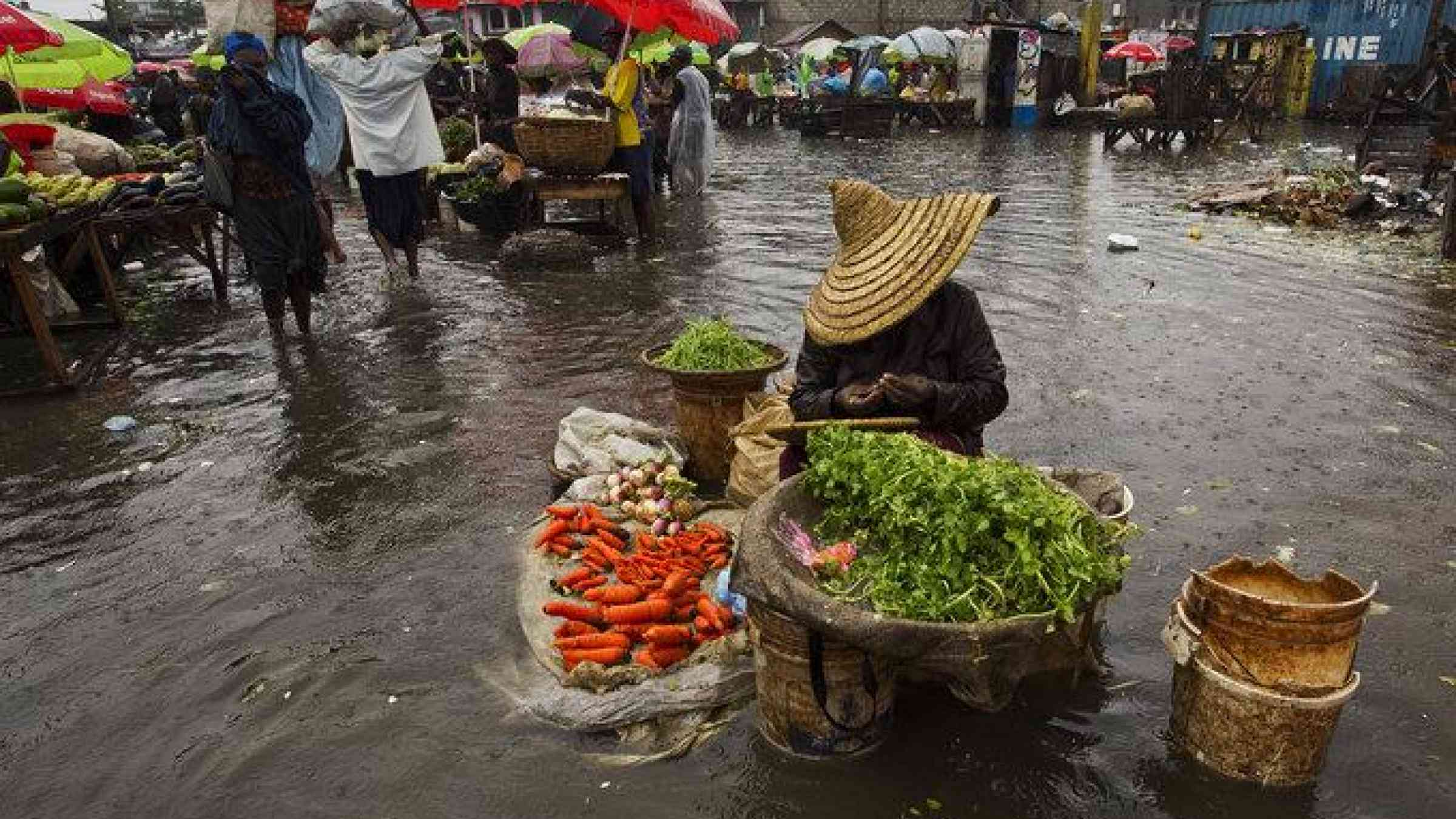
Last year 19.2 million were displaced by natural hazards in 113 countries, the majority caused by extreme weather events due to record droughts, widespread flooding and 90 major tropical storms. Shifting from managing disasters to managing disaster risk is critical to meet the World Humanitarian Summit goal of halving the current number of internally displaced by 2030.
How often do we see the words ‘art’ and ‘disaster’ in the same sentence? Not often, despite the fact that they are interlaced. The flood in Paris has highlighted that in case of extreme weather events such as floods, but also droughts, it’s not only about protecting human lives, infrastructure and economic loss, it’s also about our cultural heritage.
Halting climate change is the only way to arrest the ever-increasing global burden of disaster, warn Robert Glasser, head of the UN Office for Disaster Risk Reduction and Achim Steiner, UN Environment Programme Executive Director.
Startups are working on early-warning systems using IoT (Internet of Things) sensors. Earthquake detection is provided by interconnecting multiple seismic sensors to a central server. The system works by detecting motion close to the earthquake epicenter and transmitting a warning alert to users further away from the epicenter.
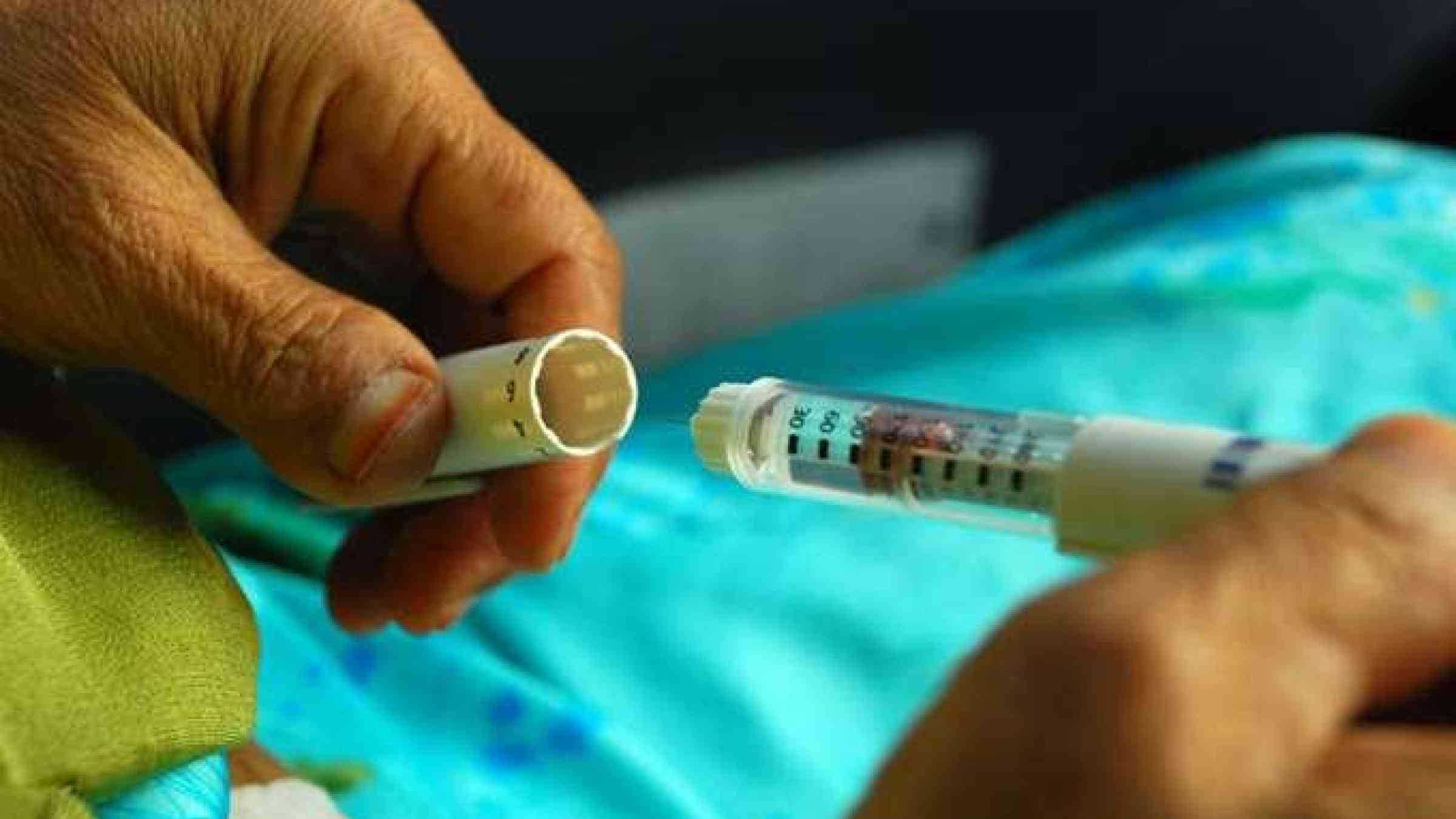
The growing prevalence of Non-Communicable Diseases in developing countries which are prone to disasters calls for measures to ensure that people living with NCDs are included in the design of policies and plans to manage their risks before, during and after disasters.
Voluntary Commitments
The organization has no registered commitments.
The Sendai Framework Voluntary Commitments (SFVC) online platform allows stakeholders to inform the public about their work on DRR. The SFVC online platform is a useful toolto know who is doing what and where for the implementation of the Sendai Framework, which could foster potential collaboration among stakeholders. All stakeholders (private sector, civil society organizations, academia, media, local governments, etc.) working on DRR can submit their commitments and report on their progress and deliverables.