Items: 94
A data readiness review undertaken by UNISDR has so far received voluntary submissions from 87 countries. The survey shows that data are typically more available to measure physical damage, and less available on economic losses, losses of specific assets and infrastructure, cultural heritage and disruptions to basic services.
Fundamentally, you cannot have a disaster if there are no people involved. It is people who create disaster risk and it is people who suffer the consequences. And often, the people who suffer the consequences are not the same people who created the risk in the first place.
Later this month, the Global Platform for Disaster Risk Reduction (DRR) will take place in Mexico. This meeting provides an important opportunity to reboot global progress on embedding gender equality in disaster risk management and to redress deadly exclusion.
Robert Glasser, head of the UN Office for Disaster Risk Reduction, and Petteri Taalas, Secretary-General of the World Meteorological Organization, call for recognising the protective value of eco-systems and the increasing pressures of population and economic growth.
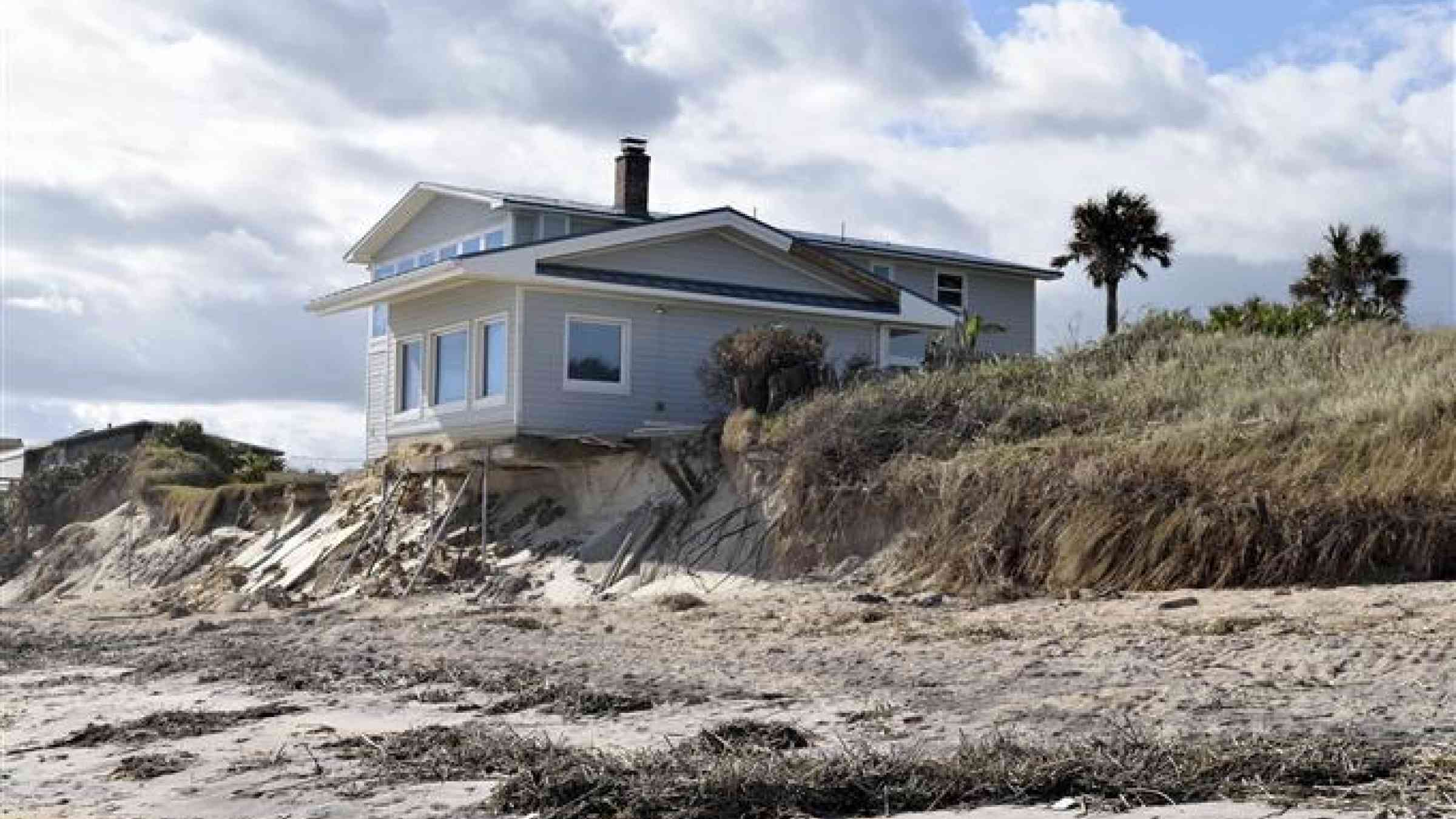
Recent extreme weather events highlight the need to address the underlying social and economic forces that place human settlements at risk and the growing complexity of extreme weather. Fortunately, thanks to improvements in early warning systems, mortality numbers from weather-related disasters have been on the decline.
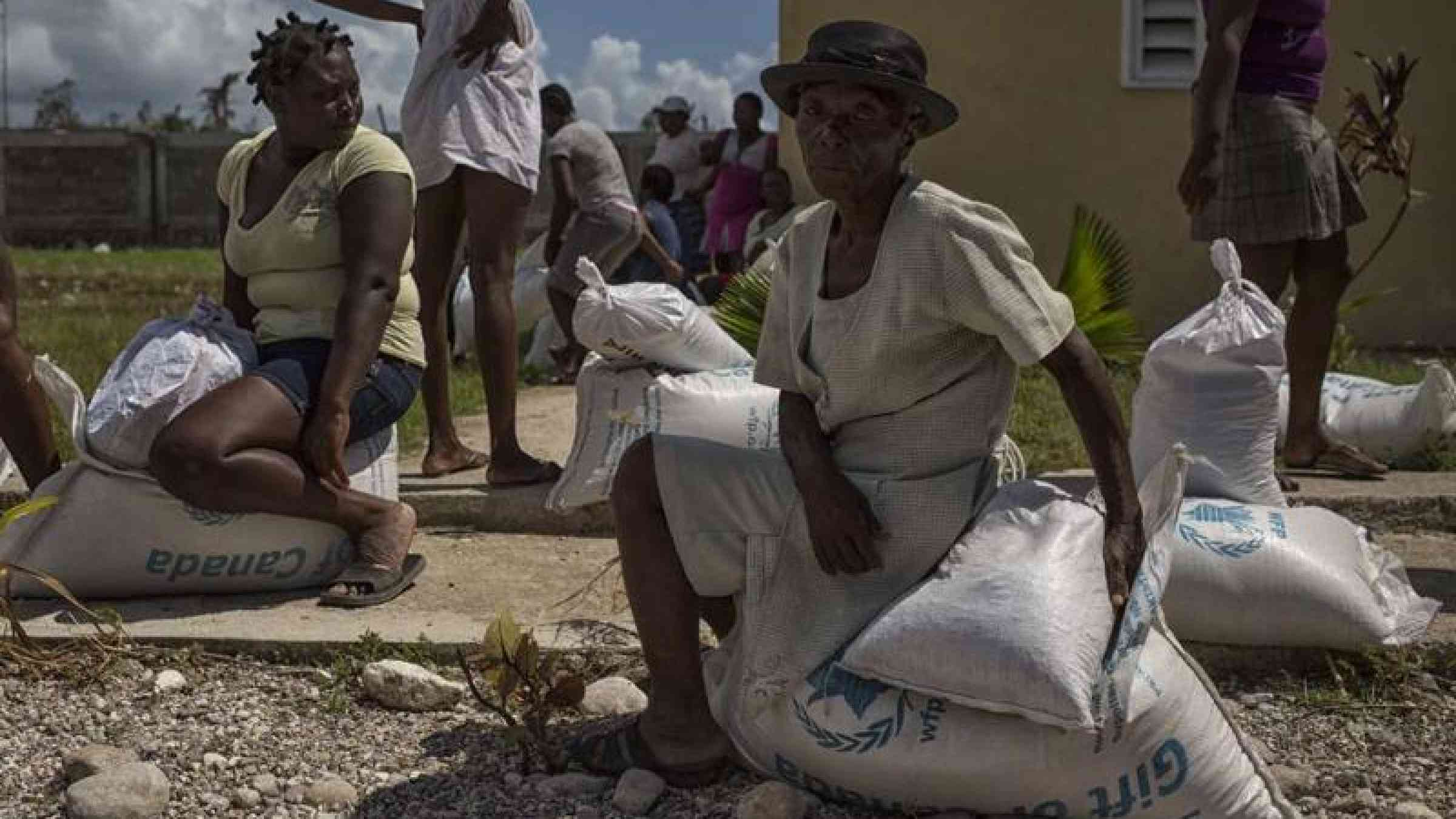
Kirsi Madi, Director at the United Nations Office for Disaster Risk Reduction, calls for greater inclusion of women and girls in disaster management planning and execution. More effort is needed to ensure that their views are actively sought when it comes to drawing up national and local plans for reducing disaster risk.
The Oroville Dam’s structural weakness and the forced evacuation of 200,000 people living in its shadow has seen renewed interest in President Trump’s campaign promise to invest in resilient infrastructure across the United States.
As the new UN Secretary-General sees prevention of conflict and disasters as an urgent priority, Robert Glasser, head of the UN Office for Disaster Risk Reduction, calls for increasing investment in disaster risk reduction to reduce the scale of future humanitarian need and foster resilience and sustainable peace.
Voluntary Commitments
The organization has no registered commitments.
The Sendai Framework Voluntary Commitments (SFVC) online platform allows stakeholders to inform the public about their work on DRR. The SFVC online platform is a useful toolto know who is doing what and where for the implementation of the Sendai Framework, which could foster potential collaboration among stakeholders. All stakeholders (private sector, civil society organizations, academia, media, local governments, etc.) working on DRR can submit their commitments and report on their progress and deliverables.