Items: 33
Bangladesh's Voluntary National Report for the Midterm Review of the Implementation of the Sendai Framework for Disaster Risk Reduction 2015-2030 (MTR SF).

Bangladesh's NAP 2023-2050 offers a multilevel, inclusive institutional structure based on the existing institutional framework. It defines horizontal and vertical linkages to scale up locally led adaptation to the national level and vice versa.
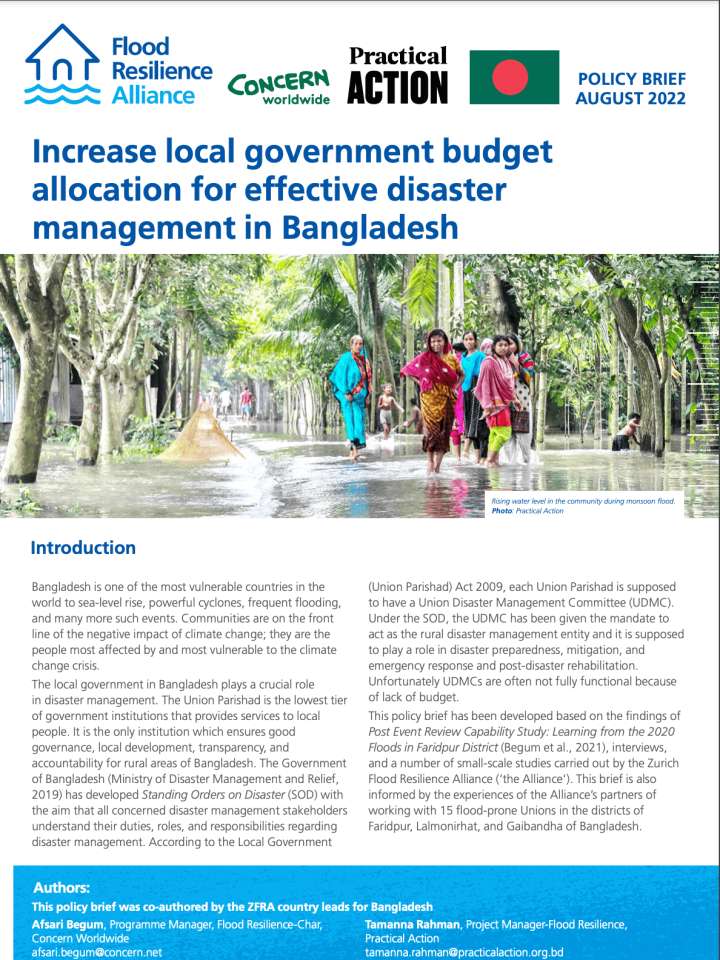
This study was conducted to understand the local-level funding in practice and flood financing gap in the three flood-prone districts of Bangladesh: Faridpur, Gaibandha, and Lalmonirhat.
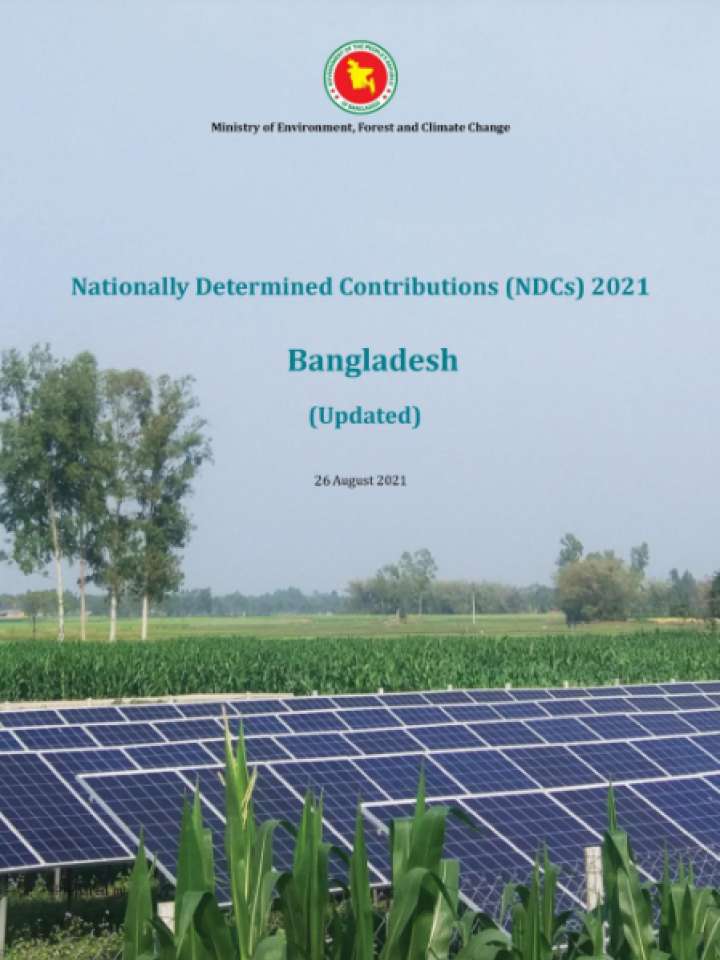
Bangladesh is updating the nationally determined contributions (NDC) incorporating additional sectors following IPCC guidelines and includes an adaptation component that describes what it has already done and its priorities for its long-term vision.
The objectives of this guide are to orient professionals on mental health issues during COVID-19 pandemic and learn practical skills for self-mental health care and wellbeing.
In Bangladesh’s current context of development spree, it is very important to formulate and implement development plans taking into consideration the disaster risk management factors.
The objective of this document is to help the humanitarian community to complement preparedness and response efforts undertaken by Bangladesh’s national authorities in relation to climate-related disasters.

BDP 2100 is a strategic and comprehensive planning document that covers the longest period (50-100 years) and also one that identifies and prioritises investable sectors for action to reduce climate risk and environmental losses in the delta region.
Voluntary Commitments
The organization has no registered commitments.
The Sendai Framework Voluntary Commitments (SFVC) online platform allows stakeholders to inform the public about their work on DRR. The SFVC online platform is a useful toolto know who is doing what and where for the implementation of the Sendai Framework, which could foster potential collaboration among stakeholders. All stakeholders (private sector, civil society organizations, academia, media, local governments, etc.) working on DRR can submit their commitments and report on their progress and deliverables.