Items: 117
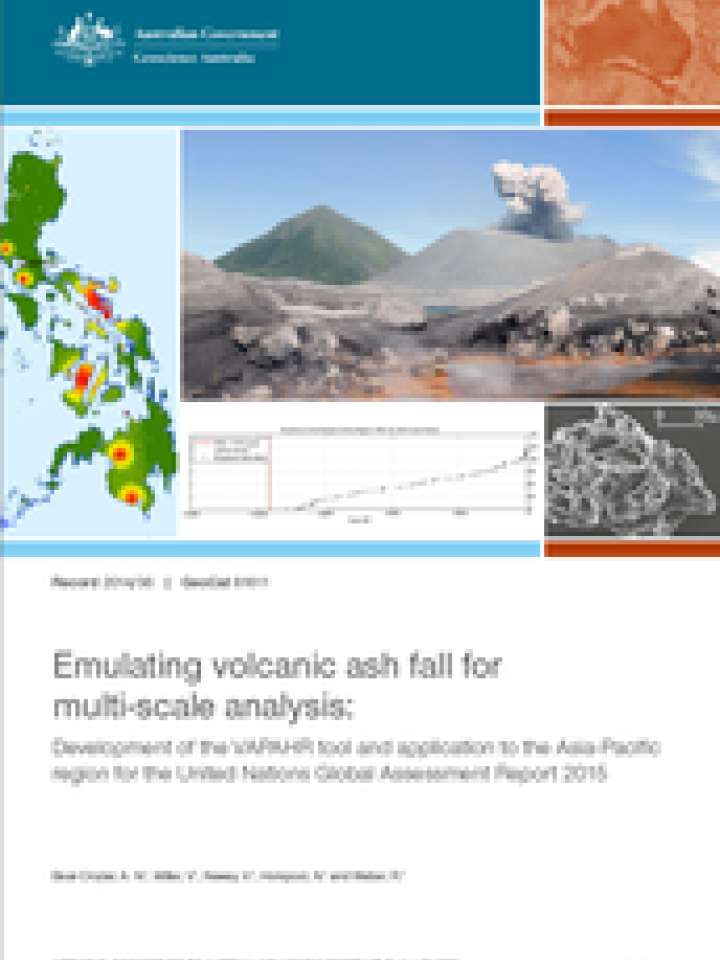
This publication presents the Volcanic Ash Probabilistic Assessment tool for Hazard and Risk (VAPAHR), the methodology that supported it and the application of the tool to the Asia-Pacific region for the 2015 Global Assessment Report on Disaster R
This research highlights that safe sheltering during bushfire in Australia requires considerable planning and preparation by residents.

This report presents the results of a study carried by the Northern Australia Insurance Premiums Taskforce which was established as part of the response to the rapid rise in insurance premiums in areas of northern Australia subject to cyclone risk

This study explores the historical evolution of civil-military-police relations in Asia and the role that the military plays in Asian societies today in relation to disaster response.
Blue carbon – carbon stored in marine and coastal habitats – could play a significant role in reducing emissions, while also supporting biodiversity conservation, fisheries habitat protection, and disaster risk reduction. These coastal ecosystems also provide critical ecosystem services, water filtration and fisheries habitat. Blue carbon ecosystems therefore provide both emissions reduction and climate change adaptation benefits...
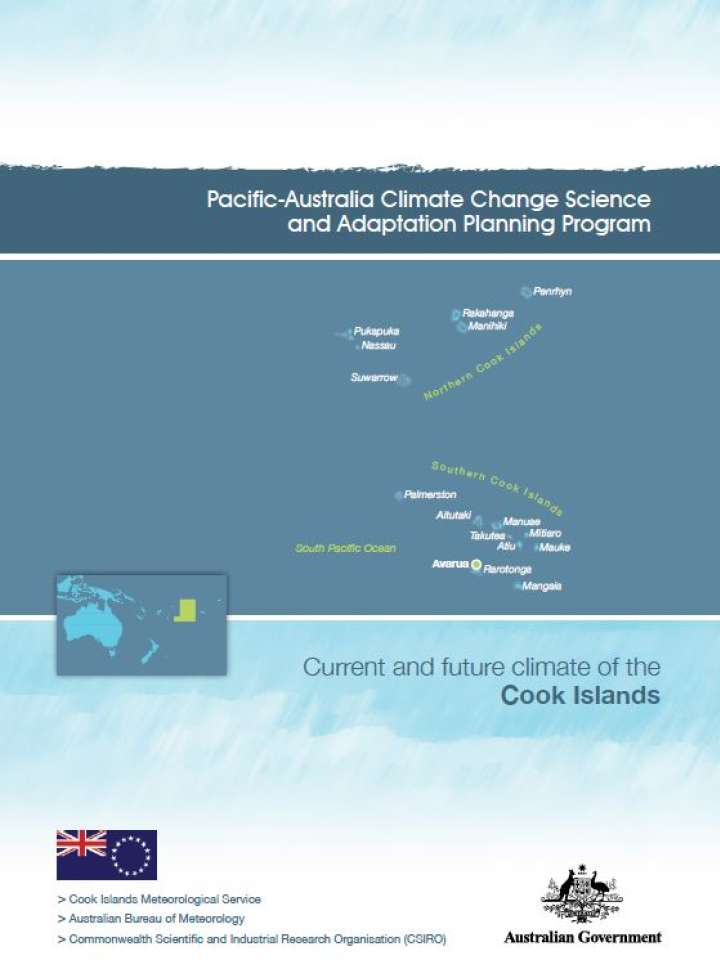
This brochure summarises the current and expected future climate in the Cook Islands, based on the latest emissions scenarios and climate models.
The Australian Government will support: support women and vulnerable communities to establish small businesses and generate income; vulnerable children to go back to school, with a focus on girls and children with disability; and rebuilding better and safer education infrastructure with advice from Australian engineering experts...
The Australian Government has developed this National Climate Resilience and Adaptation Strategy to articulate how Australia is managing the risks of a variable and changing climate.
Voluntary Commitments
The organization has no registered commitments.
The Sendai Framework Voluntary Commitments (SFVC) online platform allows stakeholders to inform the public about their work on DRR. The SFVC online platform is a useful toolto know who is doing what and where for the implementation of the Sendai Framework, which could foster potential collaboration among stakeholders. All stakeholders (private sector, civil society organizations, academia, media, local governments, etc.) working on DRR can submit their commitments and report on their progress and deliverables.