Items: 117
Tsunami modelling experts are developing nationally-consistent guidelines for tsunami hazard modelling in Australia. The new guidelines are due for release in mid-2018, and will strengthen the tsunami modelling community in Australia with input from scientists in government, industry, and academia.
This report reviews the availability of data in Australia, to report against the indicators recommended to measure the global targets of the Sendai Framework, and identify current gaps.
The Big Flood discusses the frequency and causes of extreme flood events to be used for social and economic planning and environmental protection in southeast Queensland (SEQ).
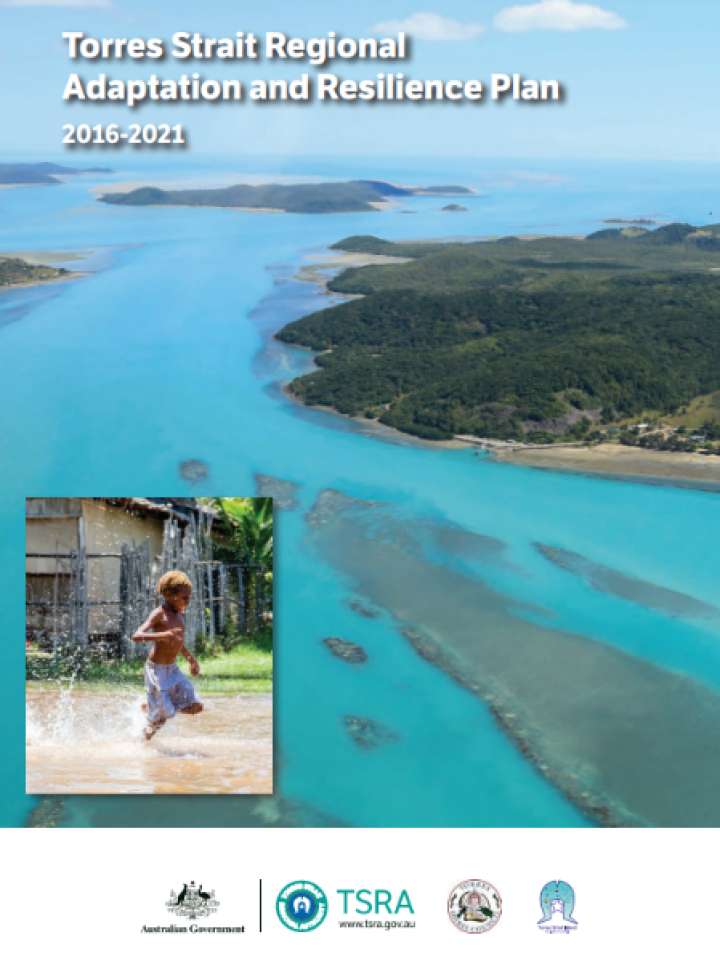
This Torres Strait Regional Adaptation and Resilience Plan details how climate change will impact the region’s communities and land and sea country, and what steps can be taken to reduce the likely impacts.
These guidelines are designed to address the needs of women, men, and everyone of diverse gender and sexual identities, including LGBTI people, and to minimise the negative impact of gender stereotypes on all members of the community, in planning for and the delivery of relief and recovery services after emergencies.
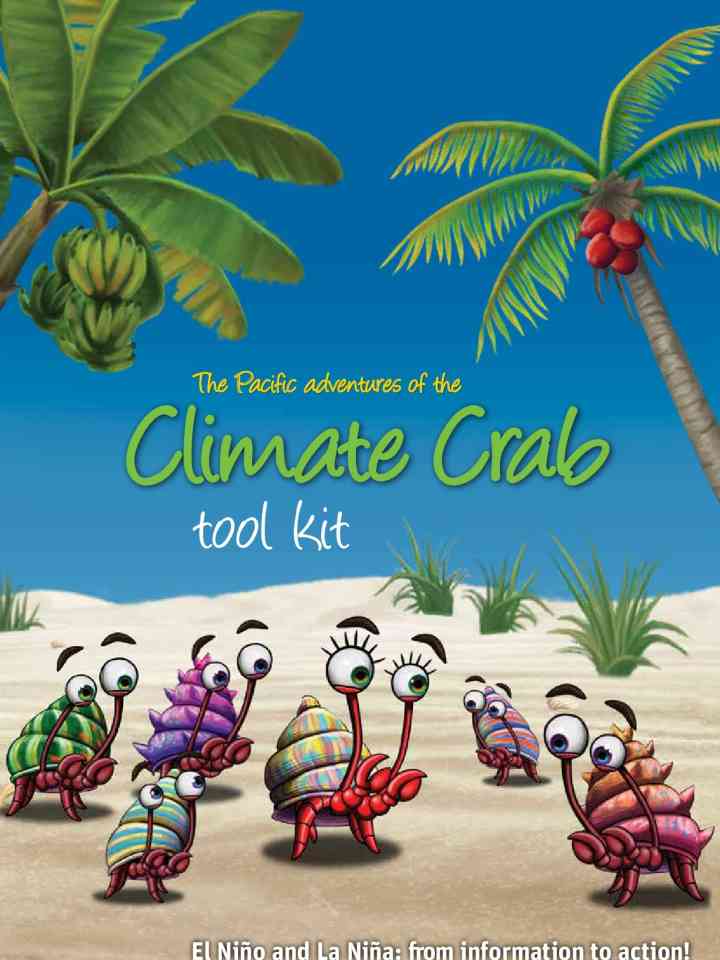
This material is an animation and toolkit which raises awareness of the science and impacts of El Niño and La Niña and encourages Pacific Islanders to take early action in preparing for these extreme events.
This is a report on the South-East Asian Regional Workshop on Structural Vulnerability Models for the Global Risk Assessment on Disaster Risk Reduction (GAR), which was organised by Geoscience Australia and the UN Office for Disaster Risk Reductio

This report gives a brief overview of the tsunami hazard component of the 2015 Global Assessment Report, involving a global hazard analysis. The work presented is the first global scale probabilistic assessment of tsunami hazard.
Voluntary Commitments
The organization has no registered commitments.
The Sendai Framework Voluntary Commitments (SFVC) online platform allows stakeholders to inform the public about their work on DRR. The SFVC online platform is a useful toolto know who is doing what and where for the implementation of the Sendai Framework, which could foster potential collaboration among stakeholders. All stakeholders (private sector, civil society organizations, academia, media, local governments, etc.) working on DRR can submit their commitments and report on their progress and deliverables.