
Items: 33

Climate-related disasters are becoming one of Asia’s most important economic and fiscal challenges.

Developing economies in Asia and the Pacific are caught in a dangerous feedback loop: rising debt burdens are constraining their ability to invest in climate action, while climate shocks are worsening fiscal pressures and increasing debt risks.
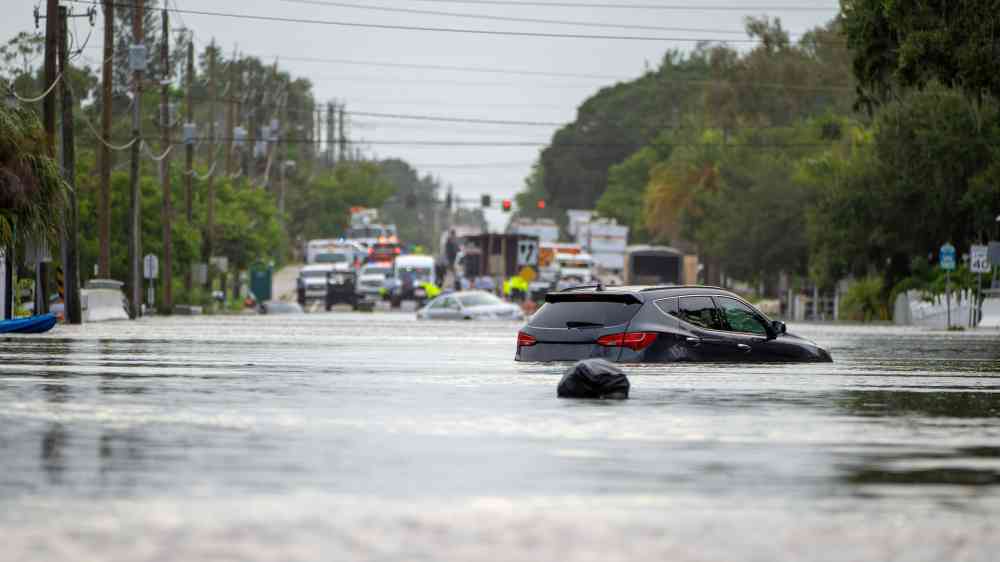
Asia and the Pacific sit on the wrong side of a stark and growing divide in disaster risk financing. Last year, an estimated 88% of losses from disasters in Asia were uninsured.
In February 2025, ADB brought together diverse stakeholders at the Rockefeller Foundation's Bellagio Center in Italy to address this pressing challenge. The resulting H.E.A.T. Framework offers a structured, human-centered approach with four key pillars
Increasingly frequent and severe dzud events threaten food security and economic development in Mongolia. While dzud has always been a part of life in Mongolia, climate change is intensifying these events.
Since the global financial crisis, interactions between fiscal balances, public and private debt, and the financial sector have proven to be very complex. Sovereign risk reflects this complexity.
For the first time at a COP, health made it onto the agenda as one of the key discussion items, underscoring the linkages between climate change and our health.
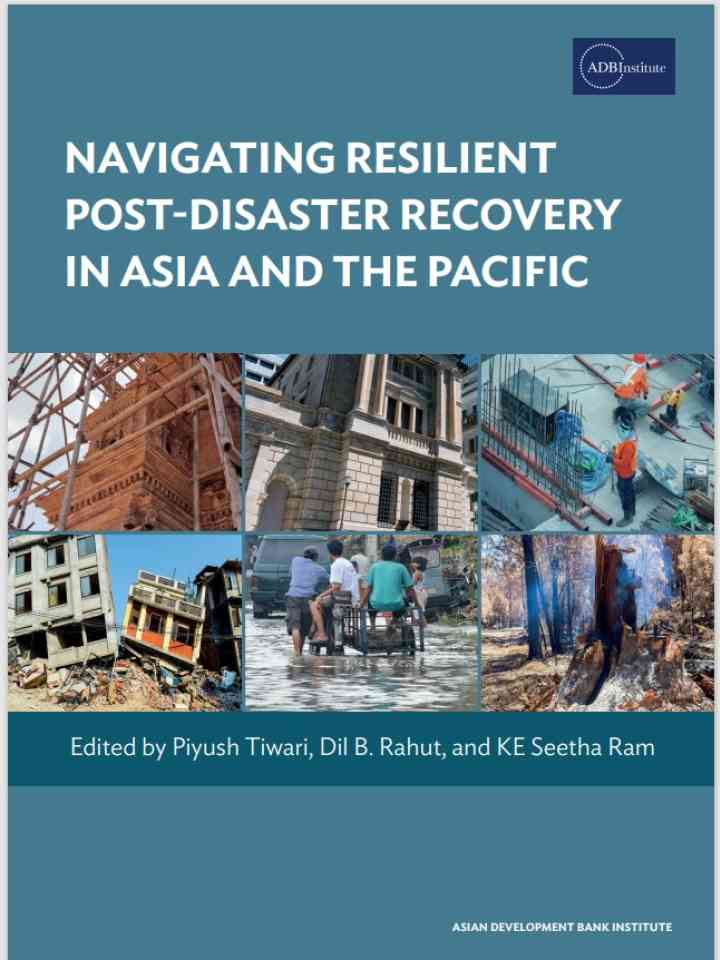
This document explores the complex process of post-disaster reconstruction, drawing from various expert analyses and real-world case studies to offer actionable insights for policy makers, practitioners, and academics.
Voluntary Commitments
The organization has no registered commitments.
The Sendai Framework Voluntary Commitments (SFVC) online platform allows stakeholders to inform the public about their work on DRR. The SFVC online platform is a useful toolto know who is doing what and where for the implementation of the Sendai Framework, which could foster potential collaboration among stakeholders. All stakeholders (private sector, civil society organizations, academia, media, local governments, etc.) working on DRR can submit their commitments and report on their progress and deliverables.