
Items: 31
A group of scientists has been researching coastal resilience in the Caribbean, a topic that is becoming increasingly important with the 2017 Atlantic hurricanes and increasing extreme weather events. Making the Caribbean more resilient means looking at both the communities and the physical nature of the land, as well as human development and settlements.
Arizona State University professor Charles Redman talks about how cities can be made more resilient to natural hazards such as flooding. Cities should enrich soft infrastructures such as organization, cooperation, and information flows, as well as take advantage of natural features rather than solidifying with concrete.
The community resilience concentration is a part of the Master of Arts in Emergency Management and Homeland Security is offered by the College of Public Service & Community Solutions through ASU Online
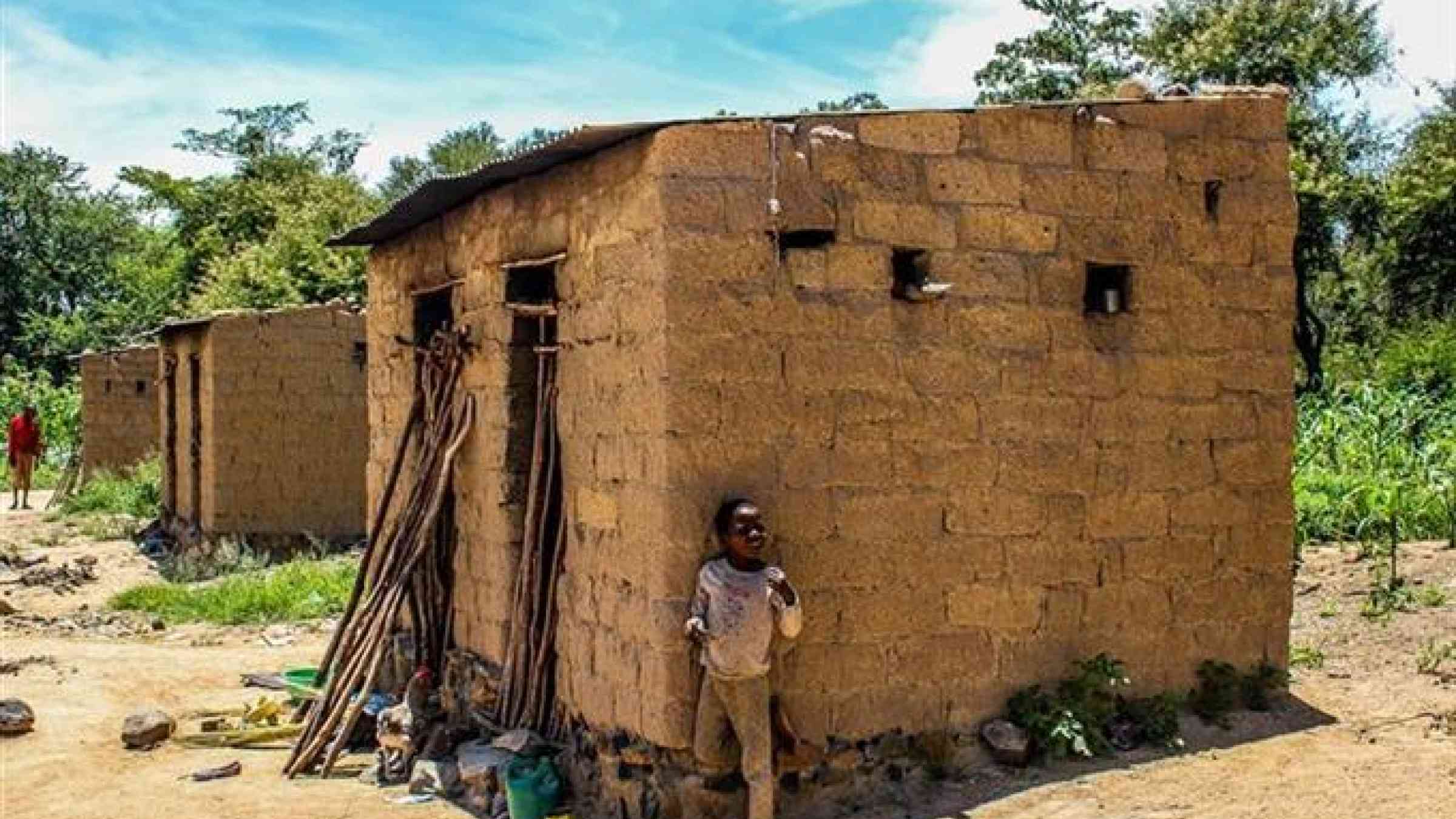
Arizona State University anthropologists are tracking cultural shifts that could spell safety for Mozambique’s coastal communities. Taking into account cultural attitudes of target communities could be a key to improve the impact of projects on coping with extreme weather events.
According to the research by sustainability scientists Matthew Bartos and Mikhail Chester of Arizona State University, higher temperatures and increased intensity of droughts could compromise the electricity grid.
'The actual contribution of urban warming relative to summertime climate change warming depends critically on the path of urbanization, the conversion of natural to urban landscapes, and the degree to which we continue to emit greenhouse gases,' says Alex Mahalov, a co-author of the Nature Climate Change article...
The aim of "Resilience, Innovation and Sustainability: Navigating the Complexities of Global Change'' is to advance understanding of the relationships among resilience, vulnerability, innovation and sustainability.
Voluntary Commitments
The Sendai Framework Commitments (SFVC) online platform serves to incentivize stakeholders to inform the public about their work, to provide a vehicle for sharing commitments and initiatives and for motivation toward the implementation of the Sendai Framework. In turn, UNDRR can monitor and take stock of the progress and impact.
Arizona State University is involved in the following commitments:
