
Items: 31
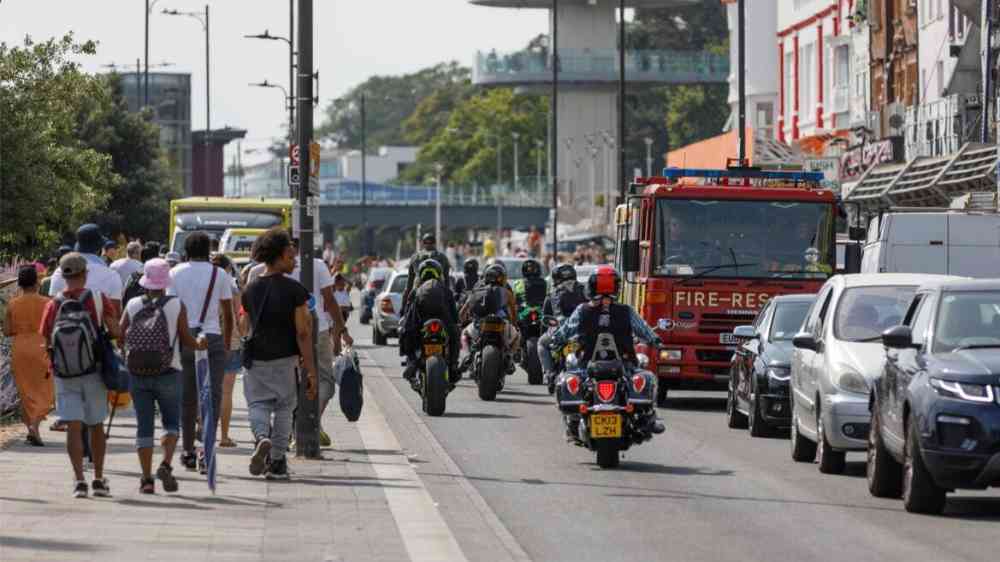
A groundbreaking new study by a team of researchers from Arizona State University, University of Washington and the University of Texas at Austin reveals that extreme heat significantly alters how people go about their daily lives.
An ASU team, led by Rykaczewski, along with colleagues Jennifer Vanos and Ariane Middel, are currently working on a four-year, $2 million National Science Foundation project to better quantify the impact of heat on the human body.
Commonly associated with longer days and slower paces, this summer’s record-smashing heat demonstrated a concerning future for our warmest season.
ASU biogeotechnical engineers seek to limit damage from earthquakes with new method to constrain soil liquefaction.

A new publication breaks down the complexities of the urban heat resilience, including heat contributors and impacts, and provide detailed guidance on how communities can help solve these issues through heat mitigation and management strategies.
This symposium will offer access to the latest thinking on flooding DRR for insurers, governments, engineers and other risk managers, land/building owners, catastrophe modelers, financial services and community organizations.
The Gulf Coast is vulnerable to storm surge. As the climate warms, the region will be even more susceptible to extreme storm surges, according to new research.
ASU professor develops new ways to connect networks, who are developing nature-based solutions for urban resilience, around the world.
Voluntary Commitments
The Sendai Framework Commitments (SFVC) online platform serves to incentivize stakeholders to inform the public about their work, to provide a vehicle for sharing commitments and initiatives and for motivation toward the implementation of the Sendai Framework. In turn, UNDRR can monitor and take stock of the progress and impact.
Arizona State University is involved in the following commitments:
