
UNDRR expands Sendai Stakeholder Engagement Mechanism to LGBTIQ+ Persons constituency
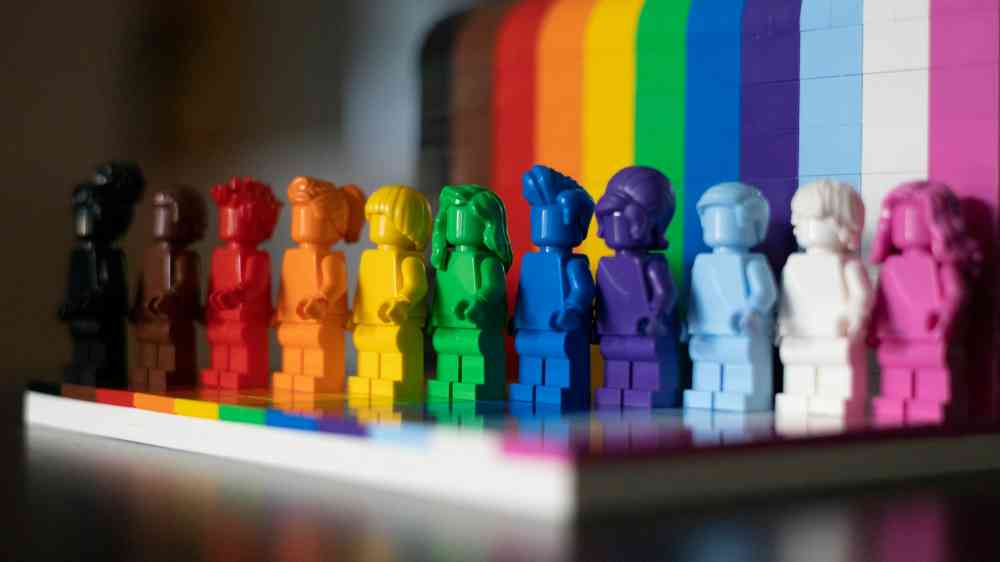
The United Nations Office for Disaster Risk Reduction (UNDRR) has formally added an LGBTIQ+ Persons constituency to the Sendai Stakeholder Engagement Mechanism (SEM), marking an important step towards more inclusive and equitable disaster risk reduction.
The new constituency – the LGBTIQ+ Persons constituency group – will contribute to implementation of the Sendai Framework for Disaster Risk Reduction 2015–2030 and to the development of its successor framework. It will work to ensure that the rights, lived experiences and technical expertise of gender and sexual minorities are meaningfully reflected in disaster risk reduction policy, practice and governance at global, regional and national levels.
"Disasters affect everyone, but people facing discrimination and inequality are often among the worst impacted. That is why we welcome the creation of the LGBTIQ+ persons constituent group under our global Stakeholder Engagement Mechanism. We must ensure that everyone is protected from disasters,” said Kamal Kishore, Special Representative of the Secretary-General for Disaster Risk Reduction and Head of UNDRR.
Leaving no one behind
Evidence from humanitarian and disaster contexts shows that gender and sexual minorities may face heightened disaster risk due to discrimination, stigma, legal exclusion and barriers to accessing services. In many settings, criminalization or social marginalization can limit people’s ability to seek assistance, participate in preparedness activities or influence recovery planning.
Where disaster policies, data systems and reporting processes do not capture differentialimpacts, risks can remain invisible. This can weaken preparedness, response and recovery efforts, particularly where sexual orientation, gender identity or sex characteristics intersect with disability, age, migration status, poverty or racial discrimination.
Advocacy priorities
The Gender and Sexual Minorities constituent group has identified several priorities for engagement:
- Recognition that disaster risk is shaped by inequality, including discrimination based on sexual orientation, gender identity, gender expression and sex characteristics.
- Promotion of safe, ethical and context-sensitive approaches to data and evidence.
- Support for meaningful participation of representative organizations in national and regional disaster risk reduction platforms.
- Alignment of policy and practice with international human rights standards to ensure equal access to protection, assistance and recovery.
- Stronger inclusion in guidance, reporting and accountability mechanisms under the Sendai Framework.
About the Sendai Stakeholder Engagement Mechanism
Established by UNDRR in 2018, the Sendai Stakeholder Engagement Mechanism provides an open and structured avenue for close engagement of stakeholders in implementation of the Sendai Framework through global, regional and national policy processes.
As the main interlocutor between UNDRR and stakeholders, the SEM helps build an inclusive and broad movement for implementation of the Sendai Framework. It creates avenues to influence policy design and implementation, strengthens citizen-led and social accountability mechanisms, and promotes coordination, information exchange and harmonization among stakeholder groups.
The formal inclusion of the LGBTIQ+ Persons constituency reflects growing recognition that resilience depends on addressing inequality and ensuring that no one is left behind when disasters strike.
Join the Sendai Stakeholder Engagement Mechanism
For more information about the group’s priorities and engagement opportunities, please reach out to the Co-Leads, Kevin Blanchard and Lisa Overton.