
Tourism: A catalyst for better disaster management
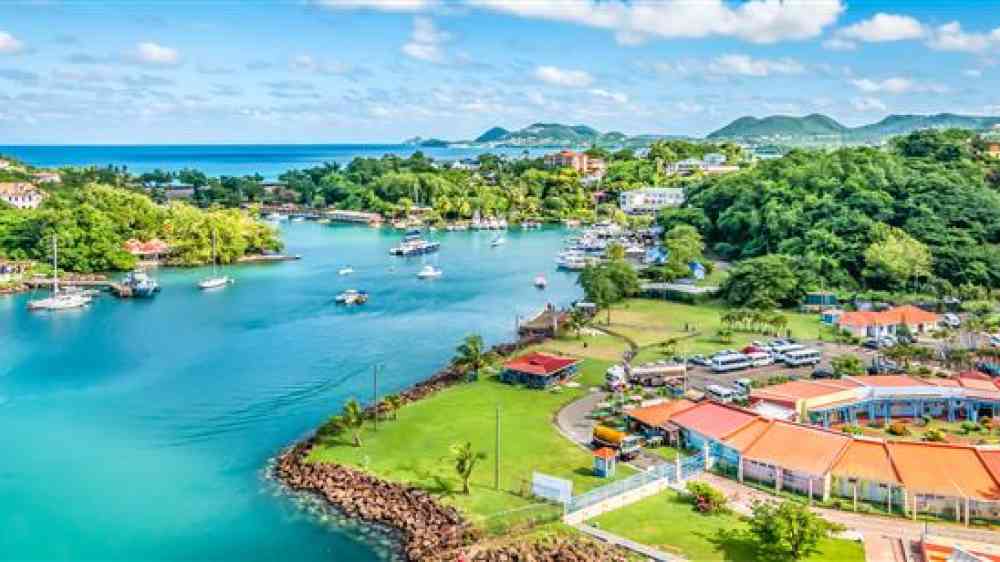
When we think about tourism, what comes to mind is often idyllic white-sand beaches, adventures on trains, and discovering new cultures as just a few examples. But what happens when there's a hurricane, flooding, a volcano eruption, or any other kind of crisis? Companies in the tourism sector can play a critical role in disaster preparedness, response, and recovery, minimizing the impact of the crisis and catalysing a faster recovery.
The first example CBI had of tourism companies partaking in disaster management was when the Asia Pacific Alliance for Disaster Management Sri Lanka (A-PAD SL), a CBI Member Network, shared that they got boats and other assets for their swift water search and rescue training from partners in the private sector.
The tourism industry includes hotels, airlines, and tour operators, and in many countries, the sector is a driver of the economy. That's why today, on World Tourism Day, we wanted to shine the light on what companies are already doing, to perhaps inspire others to more, too.
Tourism, disaster preparedness, and emergency response
The Labadi Beach Hotel in Accra, Ghana, trains its staff in safety drills and offered temporary refuge to tourists and displaced residents during floods. Similarly, in Gambia and Cape Verde, coastal hotels collaborate with civil protection agencies to develop cyclone and storm evacuation plans, and to provide safe shelter during floods.
In Kenya, major hotel chains such as Serena Hotels and Sarova invested in disaster preparedness training such as staff first-aid certification and evacuation drills in the aftermath of the bombing at Westgate shopping mall in Nairobi in 2013. Kenyatta University is the home of the Global Tourism Resilience and Crisis Management Centre for East Africa, a platform through which companies contribute to national and regional policies on tourism resilience, advocating for public-private partnerships, funding for disaster preparedness, and the inclusion of tourism in national disaster frameworks.
Overall, tourism companies can engage in disaster management by working with national disaster management agencies so their assets - vehicles, radios, buildings, and more - are part of contingency planning.
What about recovery?
In the aftermath of a crisis, cultural tourism can be a catalyst to restore the national image while supporting economic recovery. Some events in Nigeria and Ghana that were used to this end include the Osun-Osogbo festival, Panafest, and Afronation.
Hospitality businesses can "build back better" or support local rebuilding projects.
There is no single formula; what matters is that businesses are often both on the front lines of emergencies and essential to economic recovery - so finding ways to use available resources, skills, and capabilities is what will unlock better collaboration and public-private partnerships that foster resilience.
A tourism conglomerate leading the way in disaster risk reduction in Sri Lanka
Sri Lanka is a country that depends heavily on tourism and in 2025 alone, the island has already welcomed over 1.6 million foreign visitors by early September. But if tourism is to thrive long term, it must be underpinned by resilience and sustainable practices.
In the country, Aitken Spence is a giant. The conglomerate has operations in South Asia, the Middle East, Africa, and the Pacific, with interests in Sri Lanka ranging from tea plantations to maritime and freight logistics, printing and packaging businesses, apparel manufacturing, power generation, property management and hospitality initiativesm and more. What's notable is that they have integrated disaster risk reduction into their DNA.
In Sri Lanka, they developed a national Disaster Impact Map that integrates data on floods, landslides, droughts, tsunamis, and historical earthquakes. It gives communities, planners, and tourism operators a clearer view of geographic risk, and its value lies in its practical nature: communities can better understand local hazards, businesses can adapt planning accordingly, and the tourism sector can more confidently anticipate disruptions.
When it comes to their tourism-related activities, they go a step further and have a strategy through which their operations in hotel and destination management have demonstrated inclusive, accountable, and transformative approaches to ensure that they not only adapt to risk but also lead in shaping the future of tourism in the region.
The tenets of their "Spence IMPACT strategy" are inclusive development, mitigation of adverse impacts, partnerships for progress, accountability, community development beyond philanthropy, transformation through sustainability.
Such an intentional, sustainability- and resilience-driven approach make Aitken Spence a good practice example that others may learn from.
Resources for businesses in the tourism sector
At the end of the day, not every company will choose to commit to disaster risk reduction and management as extensively as Aitken Spence, but the opportunities for a win-win approach that fosters business and societal resilience remain extensive.
Two practical resources for companies in the tourism sector, developed by A-PAD SL, include:
- Resilient Tourism: A guide for MSMEs in the Tourism Sector features a "Business Resilience Handbook for MSMEs" which covers steps to assess your organizational resilience and guidance to achieve or improve business resilience
- Sustainable Tourism Practices for MSMEs which presents key steps to incorporate sustainable business practices through to sector-specific guidelines for manufacturing, hospitality, travel, and surfing & diving
These guides are relevant to companies big and small regardless of where they operate, with practical, easy to understand steps to take to map out risks and address them so as to foster greater business resilience.
To borrow from Aitken Spence's vision, tourism is a sector that can bring in resources from within a country or region and beyond, and becoming more resilient and sustainable is essential so the industry can withstand environmental, climatic, and economic shocks while delivering shared value to people and nature.