
How digital systems are transforming water management in Balochistan
Balochistan, Pakistan’s largest and most sparsely populated province, faces acute water management challenges shaped by its geography and climate. Characterized by arid and semi-arid conditions, only 7.2% of its land is under cultivation, while approximately 75% of its population lives in rural areas and depends on agriculture for their livelihoods.
Chronic water scarcity, declining groundwater levels, and limited surface water storage have undermined both agricultural and socioeconomic development. Traditional irrigation systems, such as the karez, have deteriorated due to over-extraction and poor maintenance. The absence of integrated data systems has further hampered planning and coordination among provincial agencies. These conditions have been compounded by climate variability, including erratic rainfall, recurring droughts, and flash floods, highlighting the need for climate-smart and data-informed management strategies.
To address these challenges, the Government of Balochistan, with support from the Asian Development Bank (ADB), launched the Balochistan Water Resources Development Project, an initiative that integrates infrastructure and technology for data-driven water management. The project is also supported by the Japan Fund for Poverty Reduction and the High-Level Technology Fund.
In addition to constructing dams and flood irrigation systems: the project also developed a satellite-based water information system. This system helps farmers use water more efficiently, adapt to climate change, and secure their livelihoods for the long term.
Integrated digital systems for water and agriculture
Located in Quetta, the capital of Balochistan, the Balochistan Water Resources Information System was developed to serve as a centralized digital platform for collecting, analyzing, and managing water and climate data across the province.
The system consolidates information on surface water, groundwater, and climate conditions from multiple sources into a secure, web-based Geographic Information System (GIS) platform. BWRIS enables real-time analysis and decision-making. It supports evidence-based water allocation, irrigation scheduling, and drought risk assessment which are essential tools for optimizing water use in agriculture.
BWRIS operates from a newly constructed, energy-efficient building—developed under the project—which also houses the provincial water resource offices.
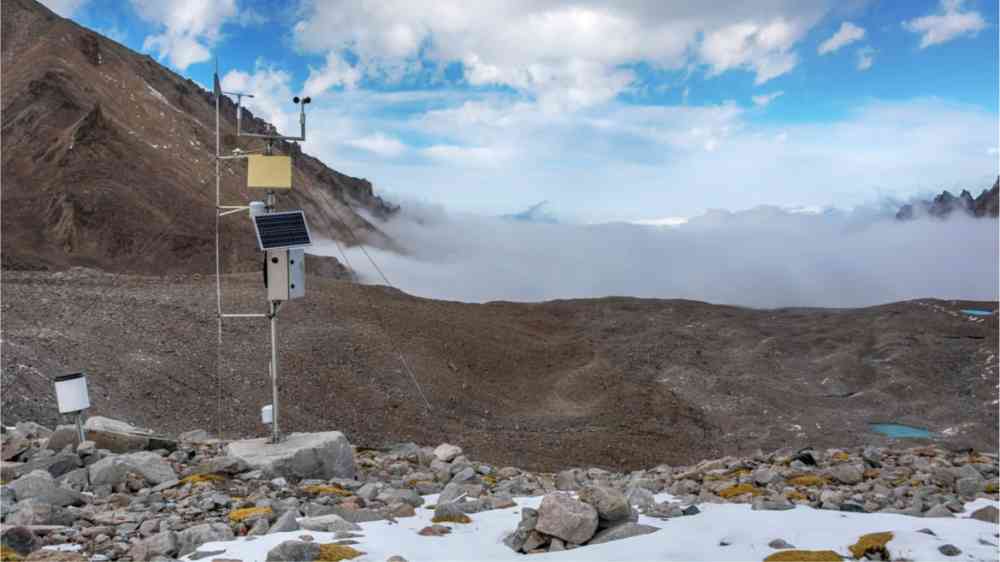
The deployment of Automatic Weather Stations across Balochistan further enhanced the capabilities of the BWRIS. Each station collects accurate data on temperature, humidity, rainfall, and wind speed, feeding directly into the BWRIS for integrated processing and planning. This continuous stream of meteorological data is set to support provincial water management and help farmers make informed decisions or plans on the ground.
Capacity-building initiatives: have trained local community members to operate and maintain the systems, creating technical expertise, employment opportunities, and a sense of local ownership.
Benefits for farmers
Access to accurate weather data: Real-time information on temperature, humidity, rainfall, and wind speed helps farmers plan planting and irrigation schedules effectively.
Optimized irrigation practices: Farmers can avoid over-irrigation, conserving water and preventing soil degradation.
Improved crop yields and food security: Better timing of irrigation and planting leads to healthier crops and higher yields.
Reduced water wastage: Data-driven decisions ensure efficient water use in an arid region where water is scarce.
Risk mitigation for climate events: Early warning systems for floods and droughts allow farmers to take proactive measures, reducing losses.
Benefits for government authorities
Improved water allocation and resource management: Enables evidence-based decisions on irrigation scheduling and drought risk assessment.
Enhanced institutional coordination: Multiple departments can collaborate easily using accurate, up-to-date data.
Real-time monitoring and planning: Continuous data streams allow timely interventions and critical policy adjustments.
Climate resilience and disaster preparedness: Reliable forecasts help officials prepare communities for floods and droughts, reducing economic losses.
Implications
Combining digital systems (WRIS and AWS) with physical infrastructure such as dams and irrigation networks provides a holistic solution to water scarcity, rather than relying on a single intervention.
Adaptation to climate variability in an arid region requires a robust solution that gives farmers and government authorities actionable insights for preparation and timely adjustments.
Investing in capacity development and encouraging local ownership is one of the best ways to ensure long-term sustainability of a project.
Sharing accurate data enhances collaboration and improves planning efficiency.