1. Home
  2. Knowledge Base | PreventionWeb

Research briefs

Keep up to date with the latest research on disaster risk and resilience on the PreventionWeb knowledge base.

Explore cutting-edge research on disaster risk reduction and resilience through PreventionWeb's dedicated research briefs section. Our platform curates and highlights the most recent academic studies, providing valuable insights into disaster risk management. Each research brief distills key findings from peer-reviewed journals and academic publications.

Submit a research brief.

These briefs are designed to keep you informed about the latest scientific advances. Links to the full publications are always included, ensuring easy access to in-depth knowledge. Please note that this section exclusively features academic research, distinct from reports by international organizations or Non-Governmental Organisations.
Uploaded on
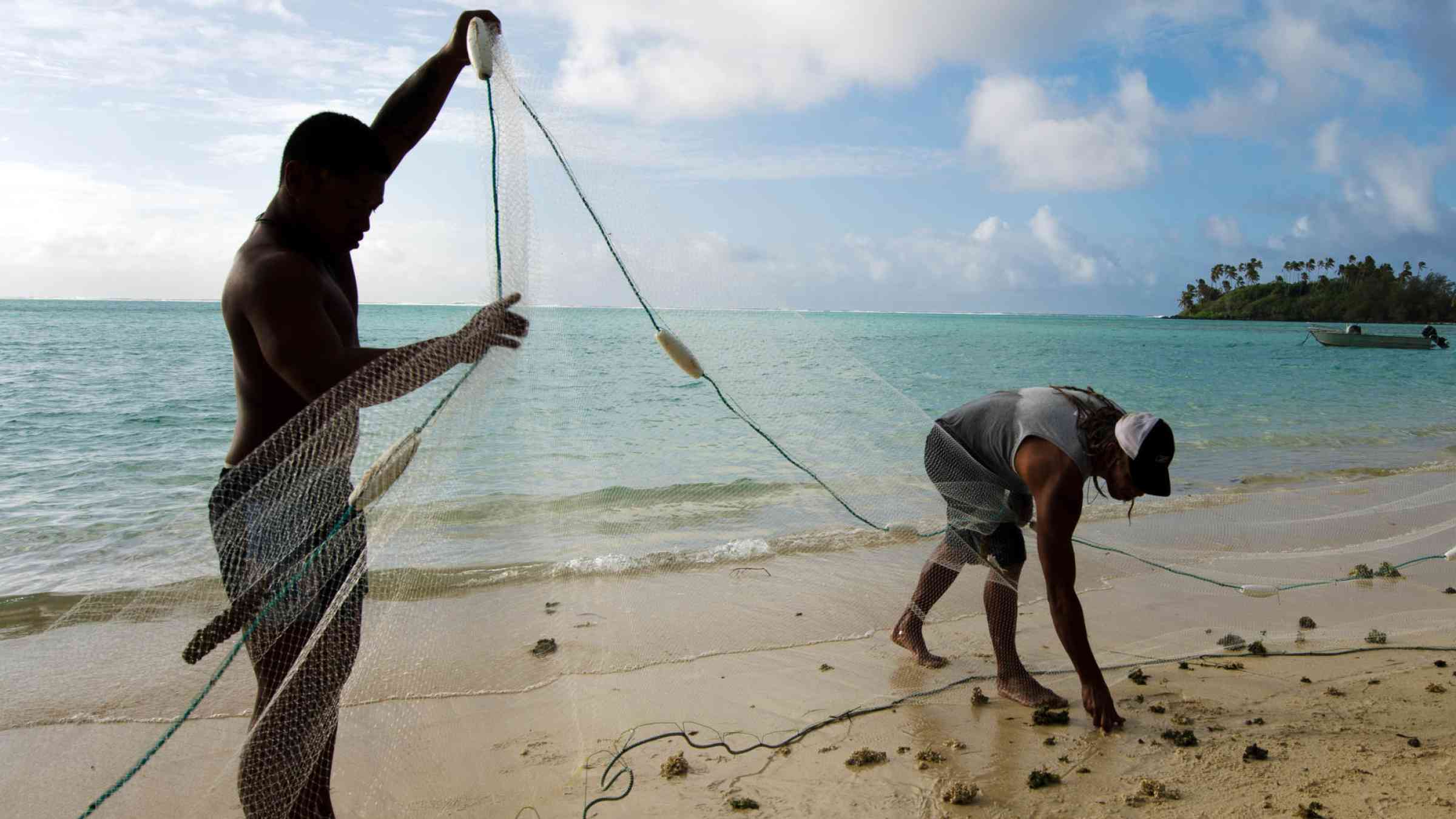
Men fishing on a beach
Research briefs

Fish are evolving ever smaller in order to survive temperature increases, new research warns. It’s a biological shift that will rob billions of meals from those who rely on fish for protein.

Inside Climate News
A road closed by a snow avalanche
Research briefs

The findings of a new study shows governance and preparedness rather than hazard magnitude determine whether avalanches become mass-casualty events.

University of Aberdeen
Crashed cars and debris on the streets after heavy flash floods in the village of San Llorenc in Mallorca, Spain (2018)
Research briefs

Warming in the Mediterranean and North Atlantic made the 2024 Valencia DANA far more intense, with rainfall up to 40% higher, highlighting the need for high‑resolution climate simulations.

Barcelona Supercomputing Center
Research briefs

A research team led by Professor Jonghun Kam from POSTECH has revealed that typhoons are a critical factor in mitigating global droughts by simulating a scenario where typhoon-induced precipitation is removed.

Pohang University of Science and Technology
Research briefs

Droughts are the world’s most widespread natural disaster, and climate change is making them longer, more intense, and possibly more frequent. But how much do droughts actually hurt local economies and can water storage help cushion that blow?

Rutgers, The State University of New Jersey
Research briefs

Researchers collaborated to assess the extent to which human-induced climate change altered the likelihood and intensity of the heavy rainfall event that caused the landslides.

World Weather Attribution
Research briefs

A sweeping study of the 2021 heat wave reveals major ecological losses—but also surprising species that thrived, offering crucial insight into how climate extremes reshape ecosystems.

University of British Columbia
Research briefs

With wildfires growing more destructive both in the United States, University at Buffalo researchers have conducted one of the most extensive evaluations to date of artificial intelligence-based deep learning models for predicting wildfire spread.

University at Buffalo