1. Home
  2. Knowledge Base | PreventionWeb

Research briefs

Keep up to date with the latest research on disaster risk and resilience on the PreventionWeb knowledge base.

Explore cutting-edge research on disaster risk reduction and resilience through PreventionWeb's dedicated research briefs section. Our platform curates and highlights the most recent academic studies, providing valuable insights into disaster risk management. Each research brief distills key findings from peer-reviewed journals and academic publications.

Submit a research brief.

These briefs are designed to keep you informed about the latest scientific advances. Links to the full publications are always included, ensuring easy access to in-depth knowledge. Please note that this section exclusively features academic research, distinct from reports by international organizations or Non-Governmental Organisations.


Uploaded on
View of Western Cape, City of Cape Town Metropolitan
Research briefs

A groundbreaking study led by researchers at the University of Cape Town’s (UCT) Department of Oceanography has revealed that Africa’s coastlines are facing a rapidly accelerating crisis.

University of Cape Town (UCT)
Research briefs

Accurate forecasting via early warning systems is a highly useful technique for flood mitigation, agricultural irrigation, ecosystem and environmental sustainability, and numerous other applications.

Jeonbuk National University
Future risks and trends in heat
Research briefs

The article reports on a new study suggesting that global warming may be accelerating rapidly, while highlighting scientific debate over the reliability of short-term climate trends and the urgency of staying below critical temperature thresholds.

Grist Magazine
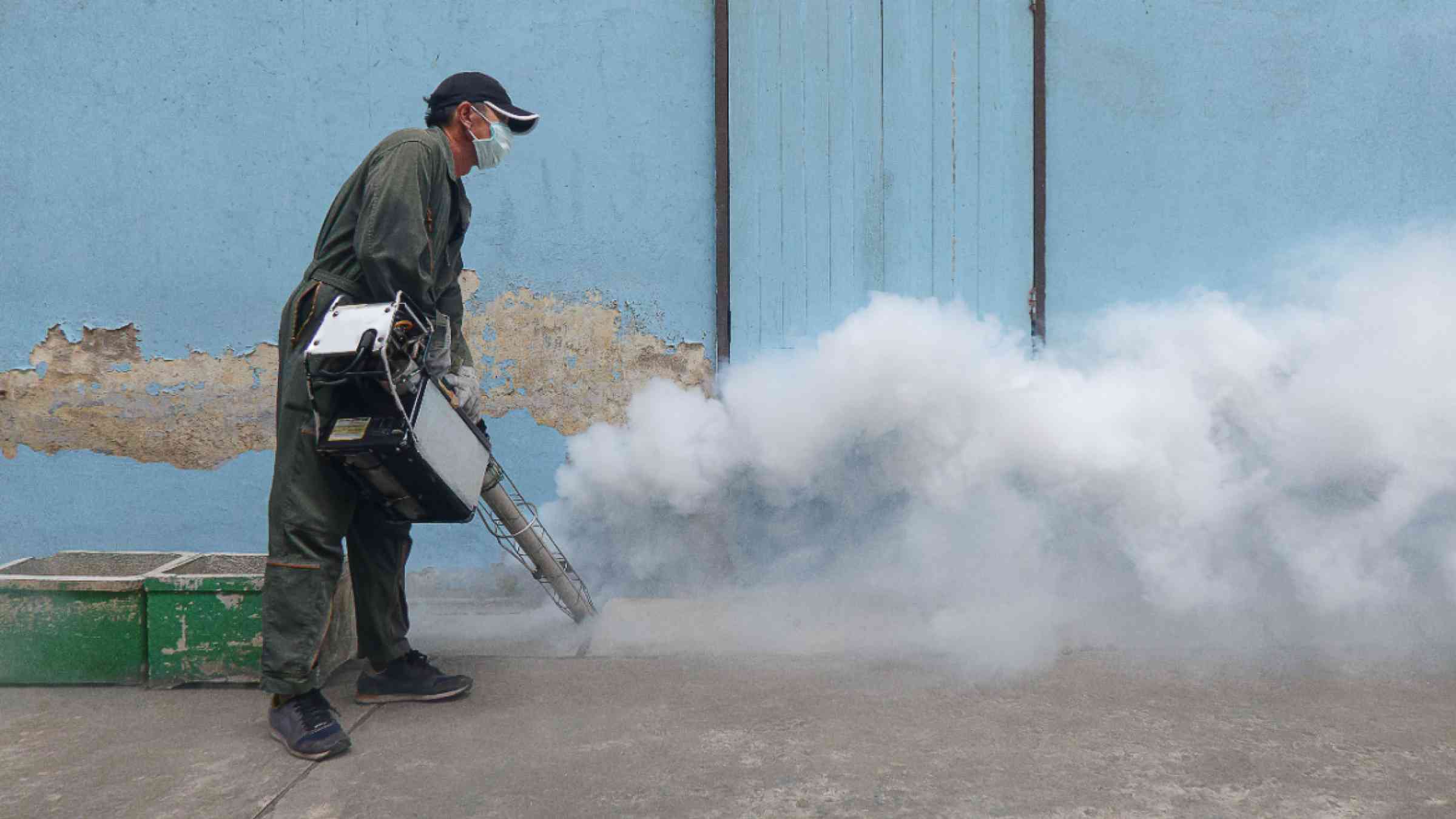
A man sprays chemical fog to kill Aedes mosquitoes.
Research briefs

Extreme rainfall and heat driven by climate change triggered Peru’s 2023 dengue outbreak, with 60% of cases linked to cyclone conditions. Researchers warn such weather is now far more likely and call for stronger mosquito control and urban resilience.

Stanford University
 Young Latin male tennis player resting and drinking water on tennis court in sunny hot day at summer
Research briefs

Climate change–driven heat could push millions into physical inactivity by 2050, causing up to 700,000 extra premature deaths yearly and billions in productivity losses, especially in hotter low‑ and middle‑income regions.

The Lancet Planetary Health
Research briefs

Before rain begins to fall, scientists and engineers can predict where a storm might cause flooding thanks to advanced modeling and digital simulations that help guide billion-dollar decisions.

FAMU-FSU College of Engineering
Research briefs

A USC Dornsife-led study found that the Eaton fire’s daily carbon monoxide emissions far exceeded L.A. County’s average daily emissions from all human activity.

University of Southern California Dornsife
Research briefs

Thwaites Glacier is already one of the fastest changing and most closely watched glaciers on Earth, losing ice more than five times faster than in the 1990s.

PhysOrg, Omicron Technology Ltd