1. Home
  2. Knowledge Base | PreventionWeb

Research briefs

Keep up to date with the latest research on disaster risk and resilience on the PreventionWeb knowledge base.

Explore cutting-edge research on disaster risk reduction and resilience through PreventionWeb's dedicated research briefs section. Our platform curates and highlights the most recent academic studies, providing valuable insights into disaster risk management. Each research brief distills key findings from peer-reviewed journals and academic publications.

Submit a research brief.

These briefs are designed to keep you informed about the latest scientific advances. Links to the full publications are always included, ensuring easy access to in-depth knowledge. Please note that this section exclusively features academic research, distinct from reports by international organizations or Non-Governmental Organisations.
Uploaded on
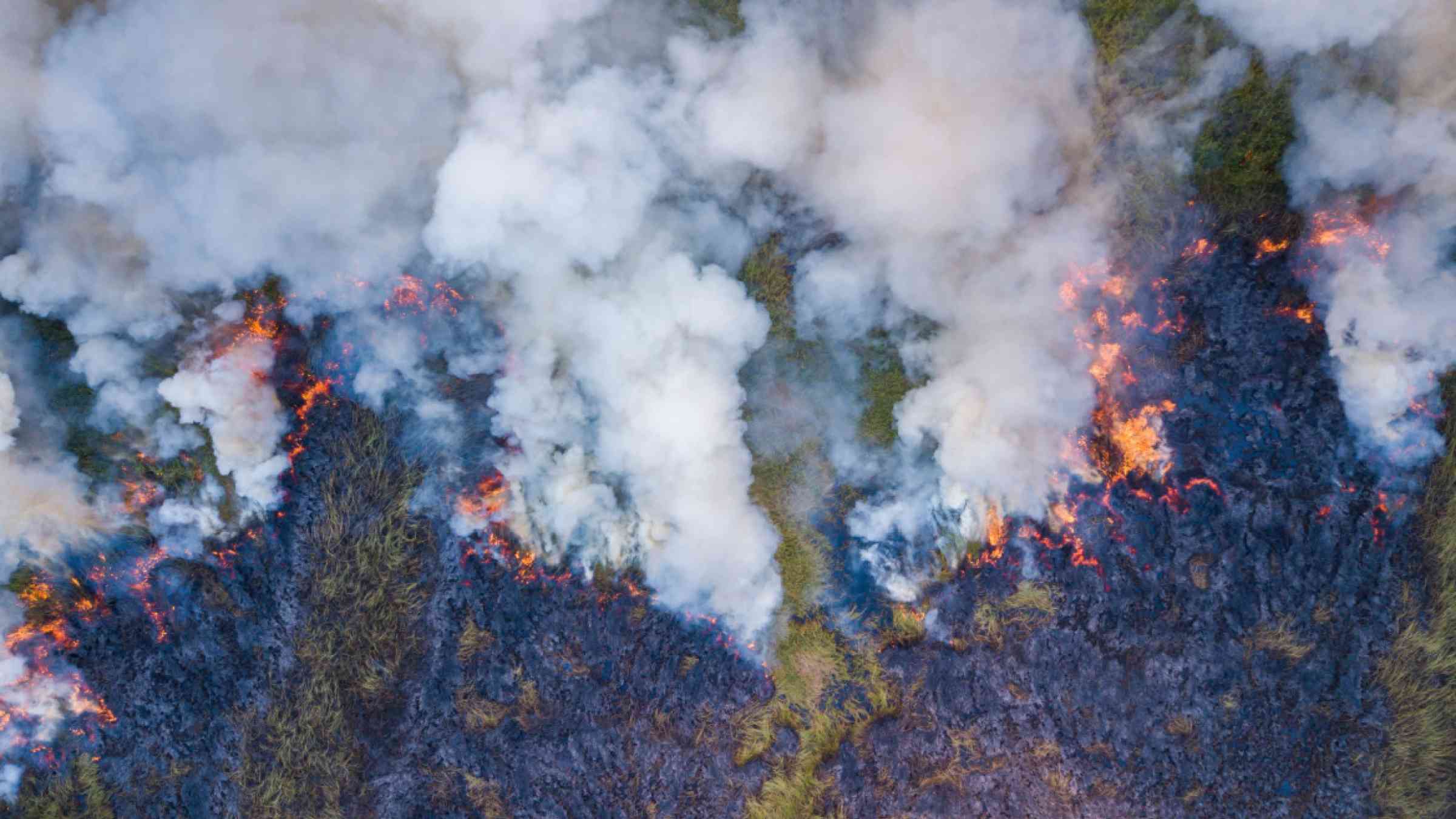
Aerial view of forest grass being burned
Research briefs

A Stanford-led study based on two decades of satellite data finds California could cut deadly pollution from wildfire smoke by 20% in active fire years by expanding use of prescribed fire in conifer forests each year.

Stanford University
Houses with wildfire smoke in the background
Research briefs

A new study projects the intertwined relationship between fires and the money spent fighting them.

Eos - AGU
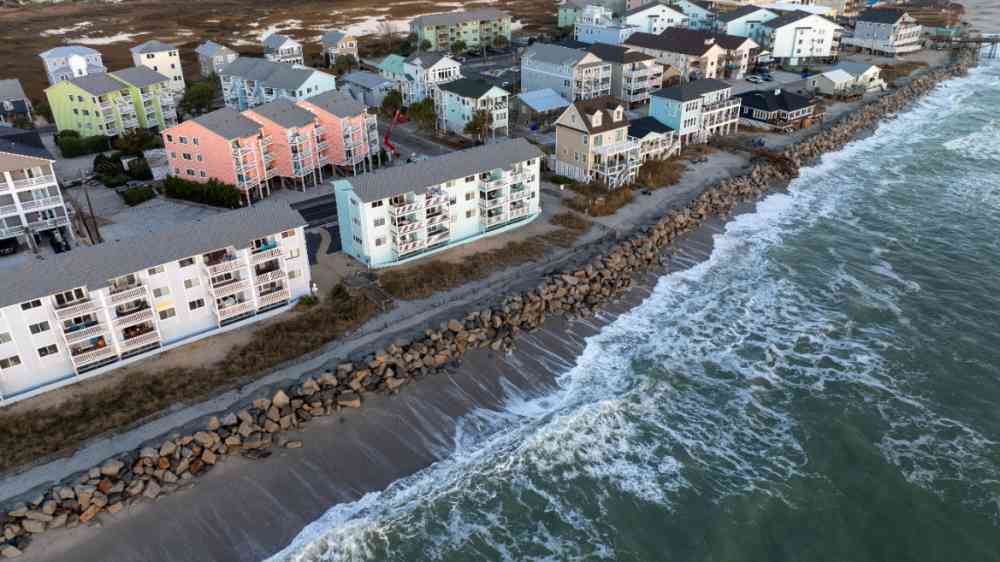
Coastal homes in Carolina Beach, NC, USA facing the Atlantic Ocean.
Research briefs

Climate Central-led paper finds climate change tripled the number of days with extreme water-levels at worldwide locations since the 1970s.

Climate Central
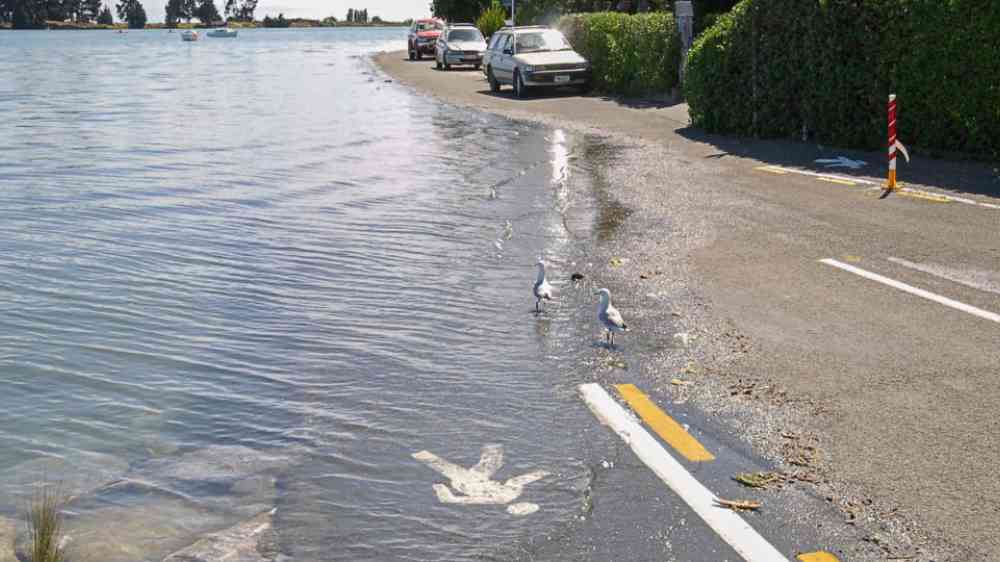
Inundated street with parked cars in the background
Research briefs

A recent study including UCF researcher Thomas Wahl reveals that sinking ground levels and rising sea levels are occurring more rapidly than previously understood, often worsening flooding in coastal communities.

University of Central Florida
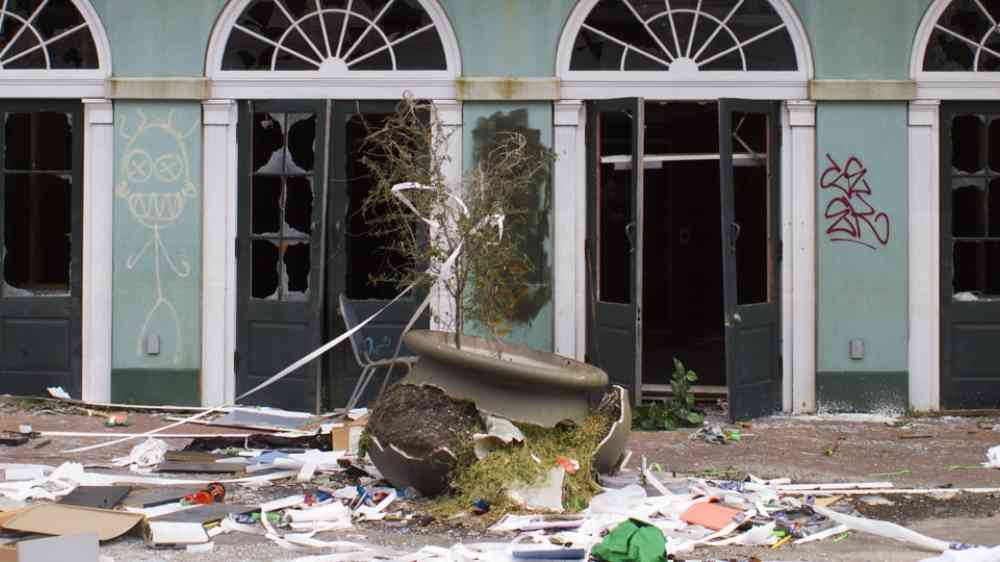
 A look inside the abandoned six-flags of New Orleans destroyed by Hurricane Katrina
Research briefs

Human-caused sea-level rise has significantly increased the frequency of extreme coastal flooding worldwide, according to a new study led by a Tulane University researcher.

Tulane University
Research briefs

Climate change could make historically rare tropical cyclones more common in Southern California, significantly expanding landslide risk across the region by 2050.

Doerr School of Sustainability, Stanford University
Research briefs

A team from the SLF studied ten different debris-flow channels in Switzerland to gain a fuller understanding of flows. The findings pave the way for the next generation of debris flow models.

WSL Institute for Snow and Avalanche Research (SLF)
Research briefs

Research published in the journal Environmental Research: Climate found that extreme heat is already influencing how people with cancer manage daily life, access care, and make treatment-related decisions.

University of Miami