1. Home
  2. Knowledge Base | PreventionWeb

Research briefs

Keep up to date with the latest research on disaster risk and resilience on the PreventionWeb knowledge base.

Explore cutting-edge research on disaster risk reduction and resilience through PreventionWeb's dedicated research briefs section. Our platform curates and highlights the most recent academic studies, providing valuable insights into disaster risk management. Each research brief distills key findings from peer-reviewed journals and academic publications.

Submit a research brief.

These briefs are designed to keep you informed about the latest scientific advances. Links to the full publications are always included, ensuring easy access to in-depth knowledge. Please note that this section exclusively features academic research, distinct from reports by international organizations or Non-Governmental Organisations.
Uploaded on
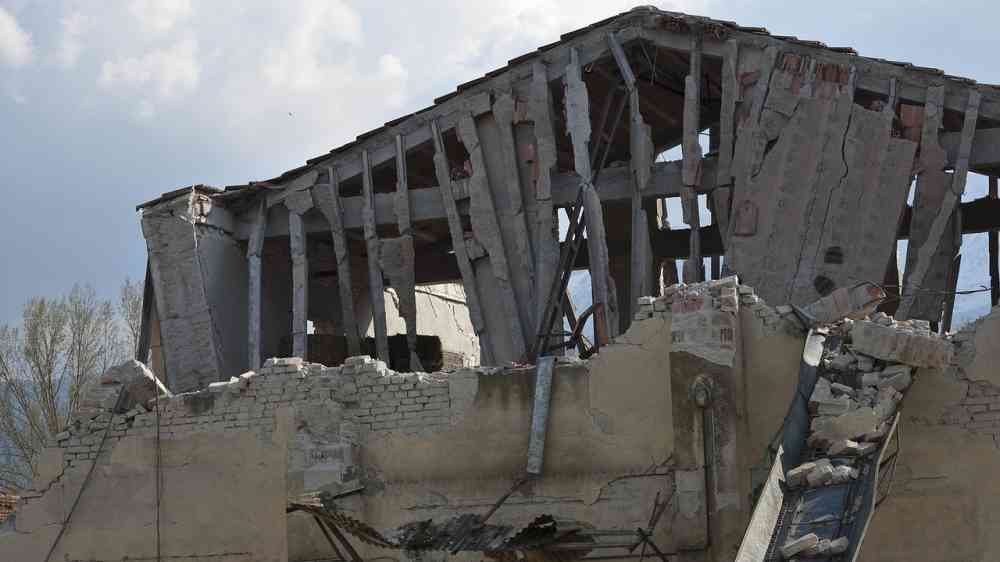
earthquake
Research briefs

Scientists develop a novel soil-reenforcing material by recycling waste fluids from geothermal energy harvesting plants.

Shibaura Institute of Technology (SIT)
Research briefs

Researcher has created a sophisticated numerical computer model to help scientists and environmental experts understand how water moves in estuaries during extreme weather events.

University of Houston
Research briefs

Until now, scientists have not been able to predict warming of the ocean surface in the South Atlantic Ocean. But now, by using artificial intelligence they show that El Niño phenomenon in the region can be predicted up to 3 to 4 months ahead.

Bjerknes Centre for Climate Research
Research briefs

New research from the Coastal Research Collaborative (CRC) at the University of Hawai‘i (UH) at Mānoa determined that 81% of O‘ahu’s coastline could experience erosion by 2100, with 40% of this loss happening by 2030.

University of Hawai'i at Manoa
Research briefs

In this study, the researchers showed that High Mountain Asia experiences an average of 22.4 rain-on-snow (ROS) days per year, with the Ganges Basin having the highest frequency at 45.8 days.

Chinese Academy of Sciences
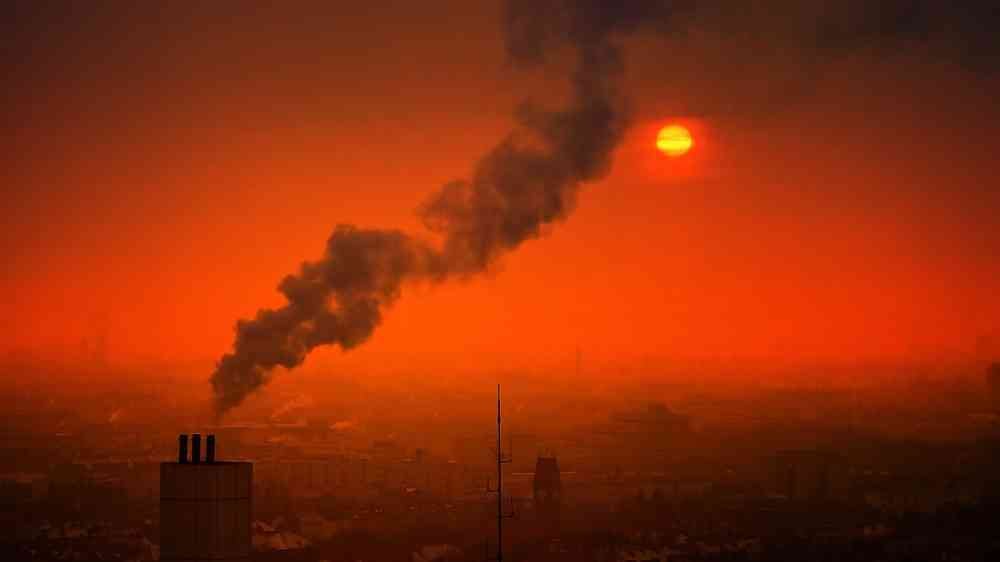
Industrial air pollution
Research briefs

Almost half of global average temperature rise and a third of sea-level rise can be attributed to the “carbon majors,” the world’s 122 largest fossil fuel and cement producers, a recent paper shows.

Mongabay
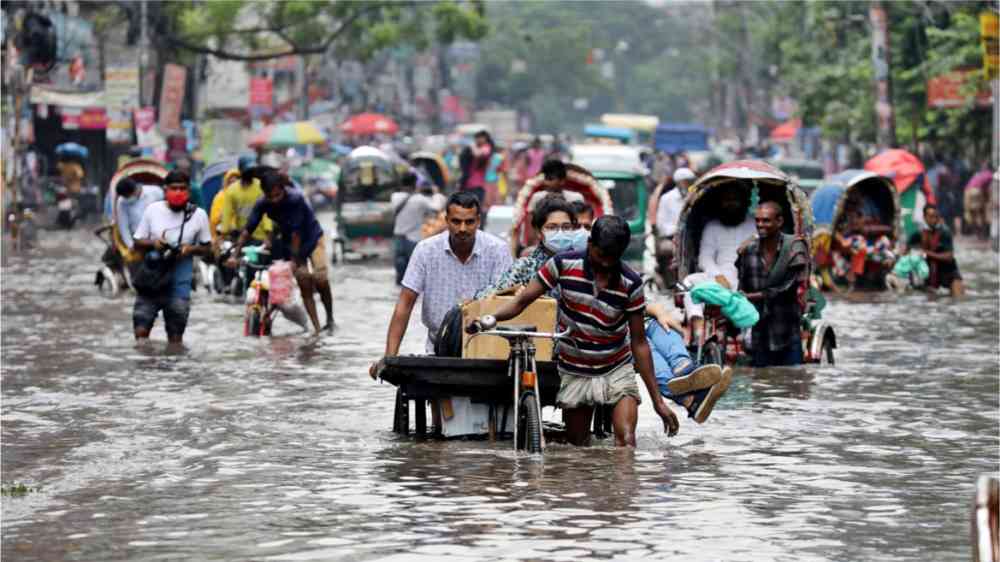
Riksha drivers walking through the flooded streets in Bangladesh in 2020.
Research briefs

With projected global warming, the frequency of extreme storms will ramp up by the end of the century, according to a new study.

MIT News, Massachusetts Institute of Technology
Research briefs

The interdependencies of infrastructure systems mean that the impact of a disaster on one system can have far-reaching effects on others and the communities they serve, potentially causing "functional isolation".

Climate Adaptation Platform (CAP)