1. Home
  2. Knowledge Base | PreventionWeb

Research briefs

Keep up to date with the latest research on disaster risk and resilience on the PreventionWeb knowledge base.

Explore cutting-edge research on disaster risk reduction and resilience through PreventionWeb's dedicated research briefs section. Our platform curates and highlights the most recent academic studies, providing valuable insights into disaster risk management. Each research brief distills key findings from peer-reviewed journals and academic publications.

Submit a research brief.

These briefs are designed to keep you informed about the latest scientific advances. Links to the full publications are always included, ensuring easy access to in-depth knowledge. Please note that this section exclusively features academic research, distinct from reports by international organizations or Non-Governmental Organisations.
Uploaded on
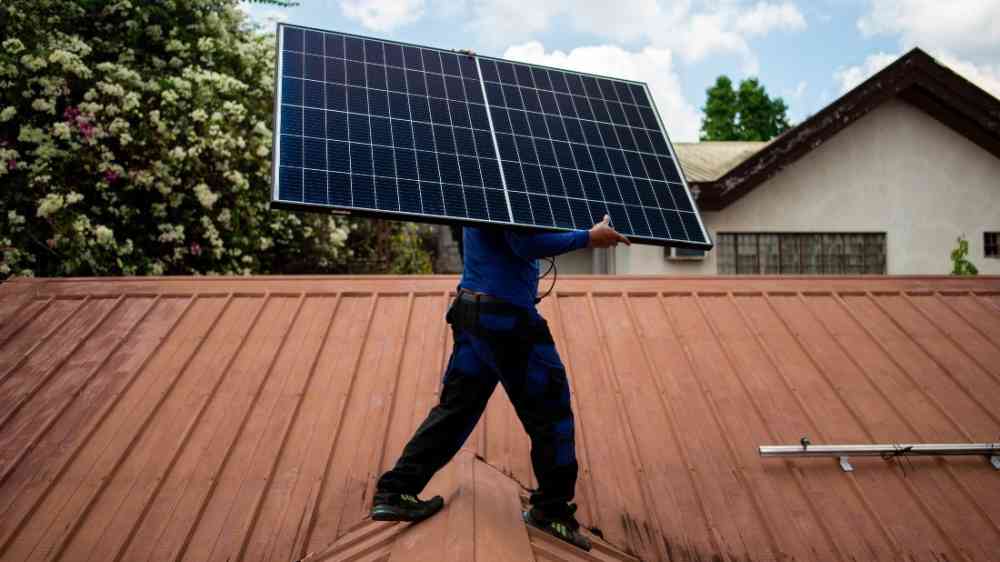
A worker from PHILERGY, a German-Filipino supplier and installer of solar energy, carries a solar panel during a home installation
Research briefs

More communities are relying on solar power as a source of renewable energy, but increasing demand and climate change threaten its reliability.

Eos - AGU
Research briefs

Barrier islands protect coastal communities and infrastructure — so what happens if they disappear?

Texas A&M University System
Research briefs

A team of environmental scientists has found that global warming has led to tripling the length of ocean surface heat waves.

PhysOrg, Omicron Technology Ltd
Yellow, dry maize field in the sun.
Research briefs

A new study warns of a dramatic rise in heatwave exposure across Central Asia's croplands by the end of the 21st century, viewing the combined effects of climate change and shifting patterns of land use as dominant drivers.

Chinese Academy of Sciences
Earthquake wave and circle vibration
Research briefs

An international study published in Communications Earth & Environment used advanced earthquake simulations to better anticipate the rupture process of large earthquakes.

PhysOrg, Omicron Technology Ltd
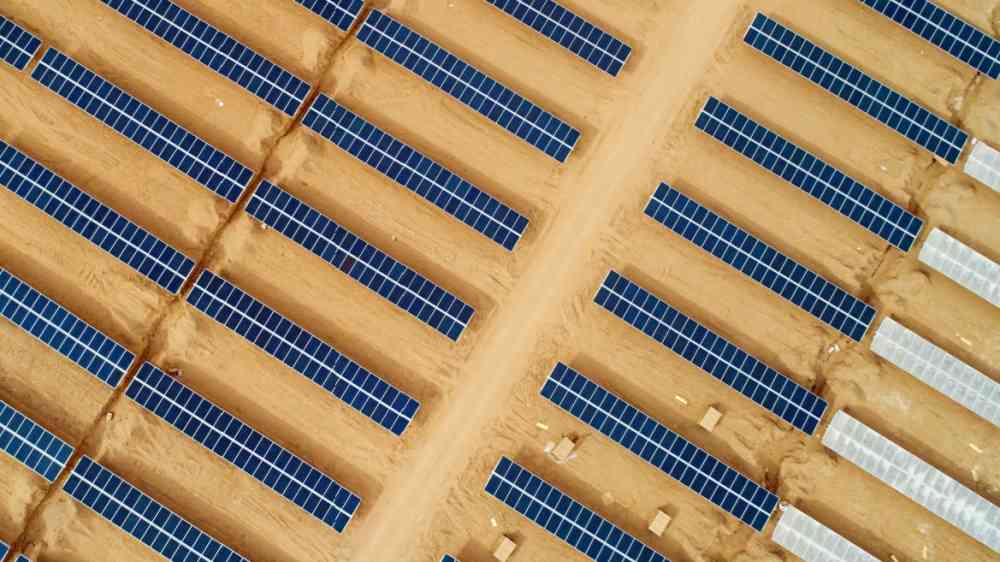
Aerial photography of solar photovoltaic bases in desert areas
Research briefs

Scientists from the Chinese Academy of Sciences have developed a new forecasting tool called iDust that improves predictions of dust storms, offering significant benefits for solar energy production.

Institute of Atmospheric Physics, Chinese Academy of Sciences
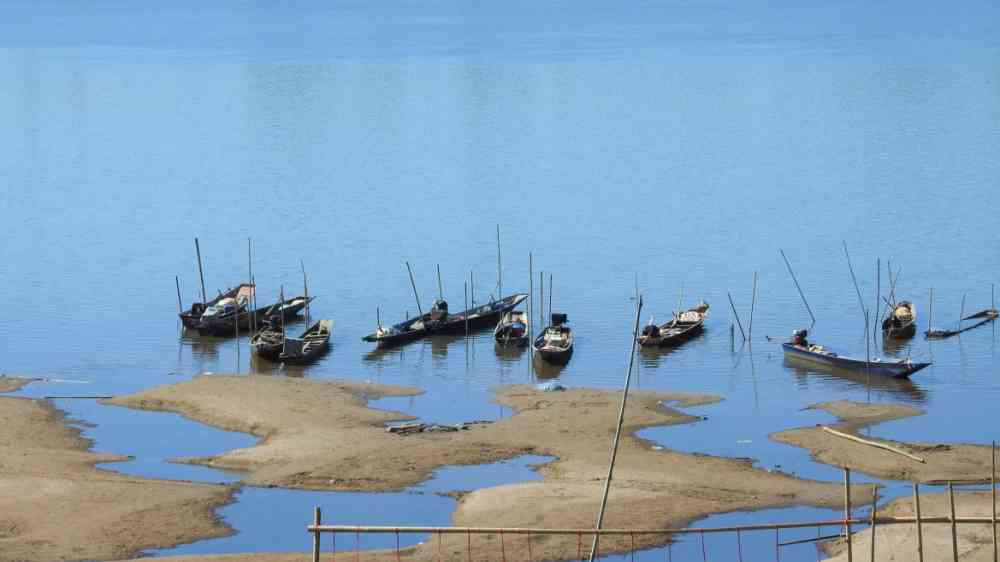
The Mekong river at a low water level due to drought
Research briefs

New research shows that saltwater intrusion is on the rise globally. Researchers found in most cases that the salt front is moving further upstream, primarily due to sea level rise and reduced river discharge, making rivers saltier.

Utrecht University
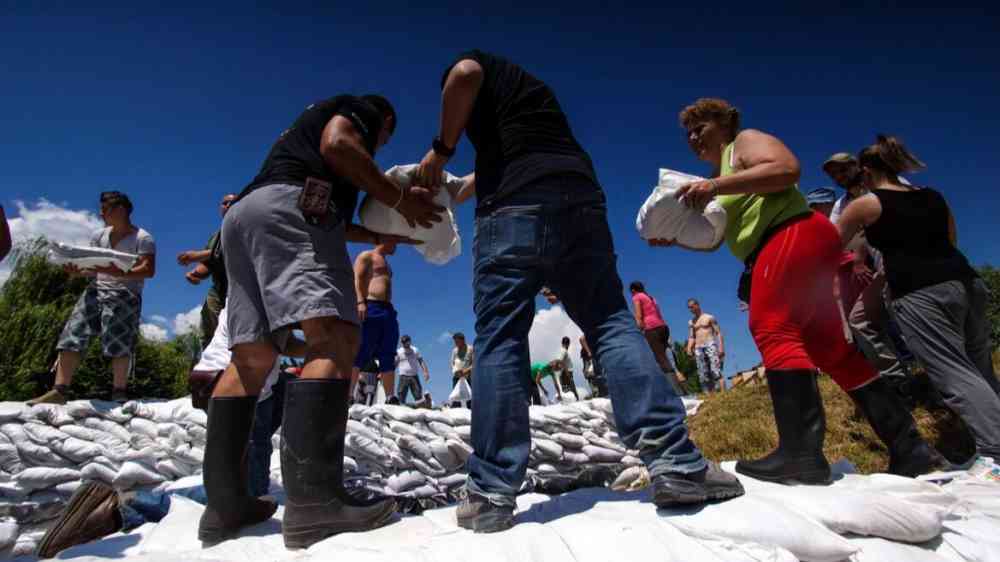
Hungarians stack sandbags to protect against the Danube floods
Research briefs

Tightly connected communities tend to be more resilient when facing extreme events such as earthquakes, hurricanes, floods or wildfires. Research suggests that community cohesion helps boost the community's ability to withstand disasters.

Stevens Institute of Technology