1. Home
  2. Knowledge Base | PreventionWeb
  3. Themes

Health and health facilities

Capacity of health systems to anticipate, mitigate and manage situations arising from natural and man-made hazards, including biological hazards.

Across Jordan, Iraq, and Lebanon, a joint UN programme is already delivering results by strengthening migrant-inclusive health systems through a single, coordinated approach.

Latest Health & health facilities additions in the Knowledge Base

Uploaded on
Brain disease diagnosis with medical doctor seeing Magnetic Resonance Imaging (MRI) film diagnose.
Update

Climate change may worsen symptoms of heat‑sensitive genetic variants, making some neurological and epileptic conditions more likely to appear or intensify during heatwaves. Researchers identify “calortypic” genes that raise hidden vulnerability.

Epilepsy Society
Brick field workers rest after hard work, wearing just baked brick from the kiln in truck
Research briefs

Research on Hurricane Beryl shows recovery workers face extreme, often overlooked heat risk, worsened by power outages and climate change. Tailored safety measures and staffing are needed to protect crews.

Grist Magazine
Global fertility responses to climate-related hazards depend on population disruption, lethality, and hazard type thumbnail
Documents and publications

This paper combines global fertility data with disaster records for 1950–2023 to estimate fertility responses to climate-related hazards, distinguishing between population disruption (affected-rate exposure) and lethality (death-rate exposure).

World Bank, the
Update

Climate change is one of the reasons certain cities are seeing an uptick in the number of rats, many scientists found in peer-reviewed research. Researchers in Chicago are putting out contraceptive pellets in alleyways – but will enough rats eat them?

CBC/Radio-Canada
Belize health and climate change: Country profile 2025  thumbnail
Documents and publications

Belize’s Climate and Health Country Profile 2025 highlights the country’s increasing efforts to understand, manage, and adapt to the growing health risks posed by climate change.

Pan American Health Organization
World Health Organization (WHO)
United Nations Framework Convention on Climate Change (UNFCCC)
Update

A hotter, wetter Southern US is driving widespread mold in aging housing, worsening respiratory health, while weak regulations and costly remediation leave vulnerable renters exposed.

Grist Magazine
Increasing hourly population exposure to moderate cold under climate warming thumbnail
Documents and publications

Climate warming is shifting exposure from extreme to moderate cold, increasing global population cold exposure and associated influenza risks.

International Journal of Disaster Risk Science
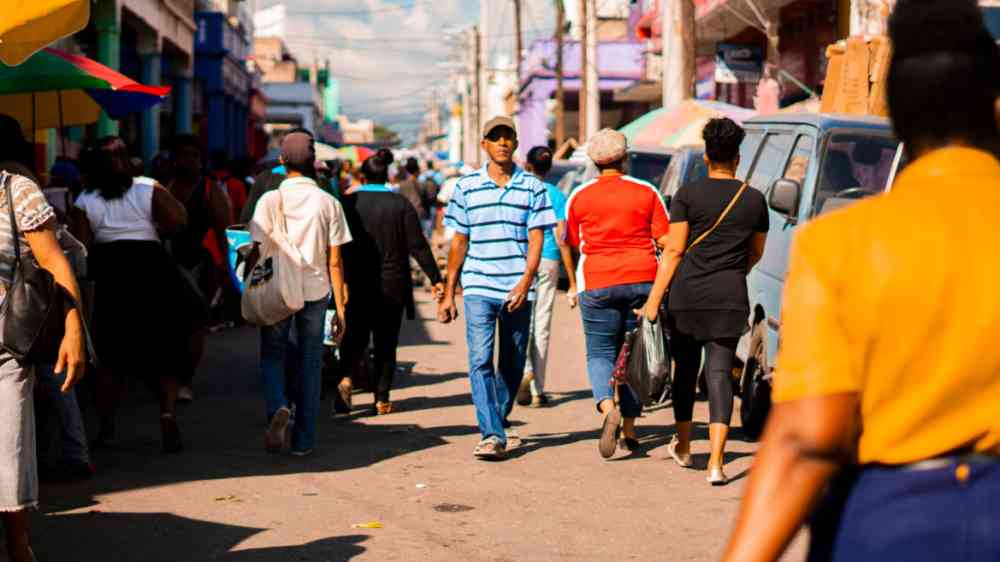
Busy streets of Kingston Jamaica at downtown coronation market
Ruth C. White
As DRR frameworks increasingly recognize the importance of mental health in preparedness and recovery, there are some policy actions that can be taken to strengthen the resilience of individuals and communities.
Uploaded on