
Why mental health is core to disaster risk reduction
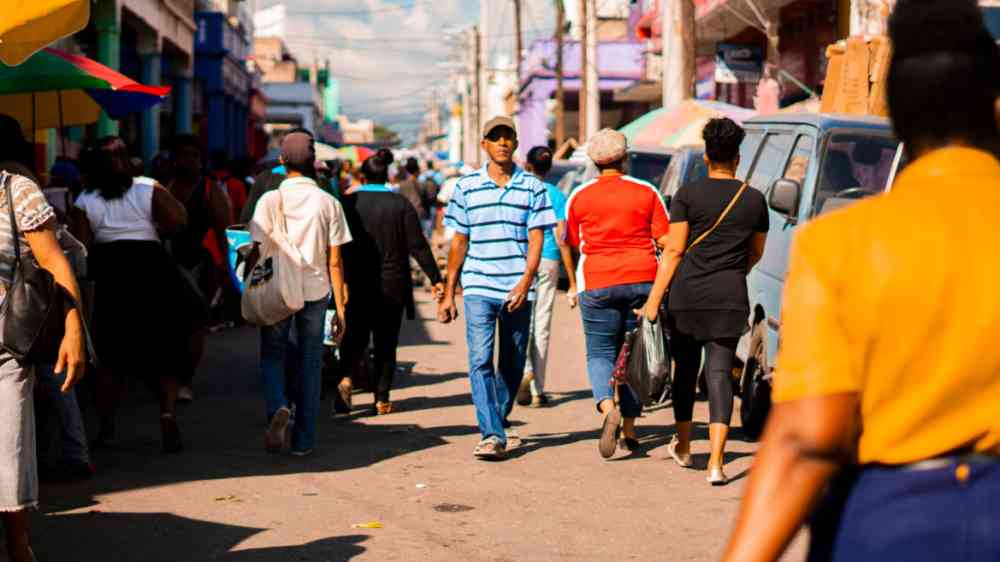
Jamaica, Melissa and me
On 28 October 2025, the Category 5 Hurricane Melissa hit my hometown of Black River and other rural areas in western Jamaica where many of my extended family reside. The huge anxiety of watching Melissa’s slow arrival on television from thousands of miles away in my downtown Toronto apartment was, of course, nothing compared to that experienced by my family members who were caught in her direct impact.
As a social worker and psychotherapist, specialized in stress management and with a large Jamaican clientele, I was inspired to collaborate with local leaders and businesses to facilitate a couple of mental health workshops for people in Black River and Treasure Beach, the latter a fishing village that had also been hit by Category 4 Hurricane Beryl just a little over a year before in early July 2024. I had read the research on post-hurricane mental health, especially the increased occurrence of post-traumatic stress disorder (PTSD) symptoms, and wanted to make a difference.
In these workshops, many people talked about the ongoing mental health impacts of these exceptional events. One woman kept insisting there must be something wrong with her, because she was crying all the time. We all reassured her that, after the trauma of desperately clinging to her children as their house was destroyed around them, crying all the time was a normal response. Someone else spoke about how prior to Melissa, she would use rain sounds to fall asleep, but now they caused her anxiety instead. Others spoke of feeling on edge every time rain fell or strong winds blew.
These experiences reflect a widely documented but often under-addressed dimension of disaster recovery: the psychological impact. According to the World Health Organization (WHO), almost all people affected by emergencies experience psychological distress, which typically improves over time. WHO suggests that countries can leverage post-disaster aid to invest in mental health. Some emergency-induced mental health problems include grief, acute stress reactions, sleep issues, irritability, hopelessness, depression, anxiety and PTSD. As a result, the Sendai Framework for Disaster Risk Reduction 2015–2030, section 33(o) suggests that at the global and regional levels the provision of psychosocial and mental health services is integral to “Priority 4: Enhancing disaster preparedness for effective response”, and to “Build Back Better” in recovery, rehabilitation and reconstruction.
Psychological vulnerability shapes disaster risk
Community resilience reflects the collective ability of populations to withstand, adapt to and recover from acute stressors such as disasters. The Sendai Framework highlights underlying vulnerability,including social, economic and health factors, as central drivers of disaster risk – and mental health intersects with all three. Pre-existing stressors such as poverty, systemic inequities, caregiving burdens and prior trauma can reduce psychological resilience before a disaster hits. For example, in my home country of Jamaica, coastal communities often include subsistence fishers and farmers, and owners of small businesses who do not have the resources to evacuate before a hurricane comes, or to rebuild after it leaves.
Culture influences recovery pathways
Risk perception, coping strategies and help-seeking behaviour are deeply shaped by culture. For example, Jamaican and other Caribbean communities rely a lot on mutual support, faith and strength. Jamaicans accept hurricanes as a part of living on an island. This may have both helped and hurt, as people were psychologically prepared for some of the impacts of a hurricane, but not prepared for everything that a Category 5 like Hurricane Melissa would bring. During my sessions with survivors of Melissa, all the participants spoke about feelings of gratitude, as well as hope for the future. There were stories of collective cleaning and rebuilding, as well as sharing housing and other resources. Research after Hurricane Katrina showed that social support and gratitude were strong contributors to resilience post-disaster.
Integrating mental health into DRR
As DRR frameworks increasingly recognize the importance of mental health in preparedness and recovery, there are some policy actions that can be taken to strengthen the resilience of individuals and communities.
- Develop a psychological preparedness toolkit for inclusion in risk communication. Many of the participants in my workshop groups were surprised by their varied emotional reactions during and after the hurricane. A toolkit providing information about this would have helped them to prepare for and understand their psychological responses. This toolkit would include advice on breathing techniques, sleep strategies, communication tips for parents to use with children, mindfulness practices, emotional literacy, and resource navigation.
- Support community-based psychosocial networks . Faith organizations, community leaders and local groups often provide first-line emotional support and trusted communication channels, andshould be incorporated in risk communication.
- Expand training in psychological first aid. WHO and Inter-Agency Steering Committee (IASC) guidance shows that early psychosocial support improves recovery outcomes and strengthens community trust. While Jamaicans tend to be resistant to seeking formal mental health services, having community members with the ability to emotionally support during a crisis would destigmatize seeking help.
- Invest in culturally responsive mental health services. Representation, language access and culturally grounded approaches improve uptake and effectiveness. Developing and distributing a list of local providers would give communities information about where to go when they need relief.
Resilience is human before it is structural
Though infrastructure investments are essential, resilience ultimately depends on people, and thus their mental health is an important aspect of disaster preparedness and recovery. Institutional and community mental health supports are worthwhile investments in the futures of those who are unlucky to be in a disaster zone, and are lucky enough to survive it.
For more information
- National Centers for Environmental Information, National Oceanic and Atmospheric Administration (NOAA), “ Hurricanes take heavy toll on mental health of survivors”, 8 May 2020.
- World Health Organization (WHO), “ Mental health in emergencies”, 6 May 2025.
Ruth C. White, PhD, MPH, MSW, RSW, is a mental health expert, therapist and speaker specializing in stress management, resilience and culturally responsive well-being. Her work focuses on integrating psychological resilience into workplaces and communities. Her writings on stress and resilience include several books, and articles for Harvard Business Review, Fast Company, Modern Healthcare and Thrive Global. She frequently provides media commentary on mental health.