Ensuring an all-of-society engagement and partnership for DRR through empowerment and inclusive, accessible and non-discriminatory participation, paying special attention to people disproportionately affected by disasters, especially the poorest.
Here are five ways countries ensure persons with disabilities are not left behind when the next disaster strikes.
Delegates from the Department of Education and local DRR officials from Cebu visited Kobe and Sendai recently for a DRR study tour. From 2009-14, 39 662 schools in the Philippines experienced natural and human-induced hazards. Disaster education is steadily taking root as Metro Manila begins conducting metro-wide earthquake drills in both public and private schools.
In Malawi, the rainy season was delayed in the south by almost a month, coming after South Africa’s driest year since 1904, when scientists started weather measurements. Yet drought-resistant sweet potato crops are yielding results for local farmers - promising news after a recent UN forecast 40 million people in East and Southern Africa will face food insecurity.
If another powerful cyclone were to hit the Ayeyarwady Deltam it could have a more devastating impact than 2008, one of the worst natural disasters in Myanmar’s history. The reason: continuing destruction of mangrove forests that provide a coastal buffer against extreme weather and support marine life. Now environmentalists are campaigning to prevent further destruction.
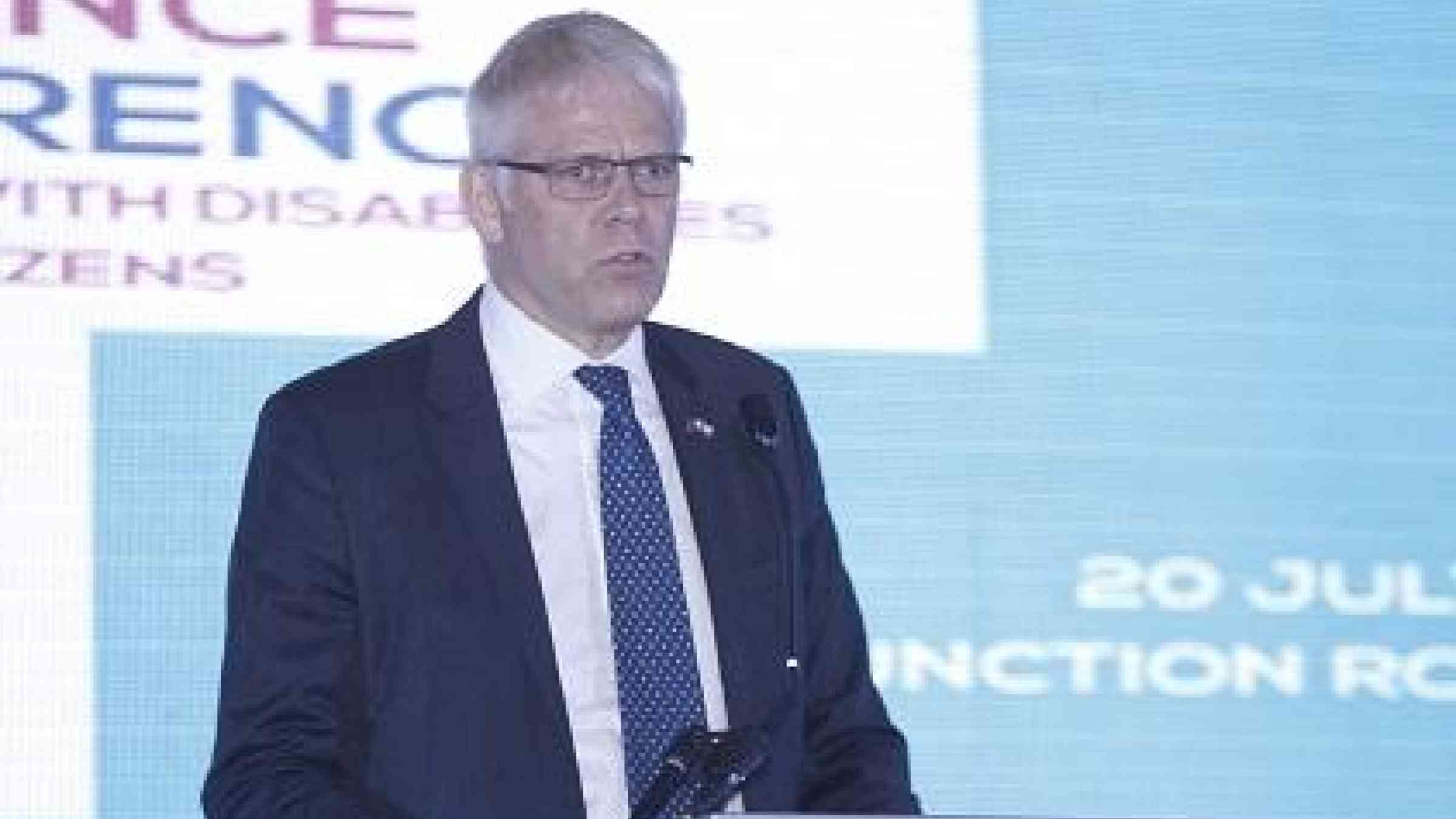
Key UNISDR private sector partner SM Prime Holdings, Inc., the largest mall operator and developer in the Philippines, has spotlighted the importance of including persons with disabilities and senior citizens in disaster risk reduction efforts.
United Nations Office for Disaster Risk Reduction - Regional Office for Asia and Pacific
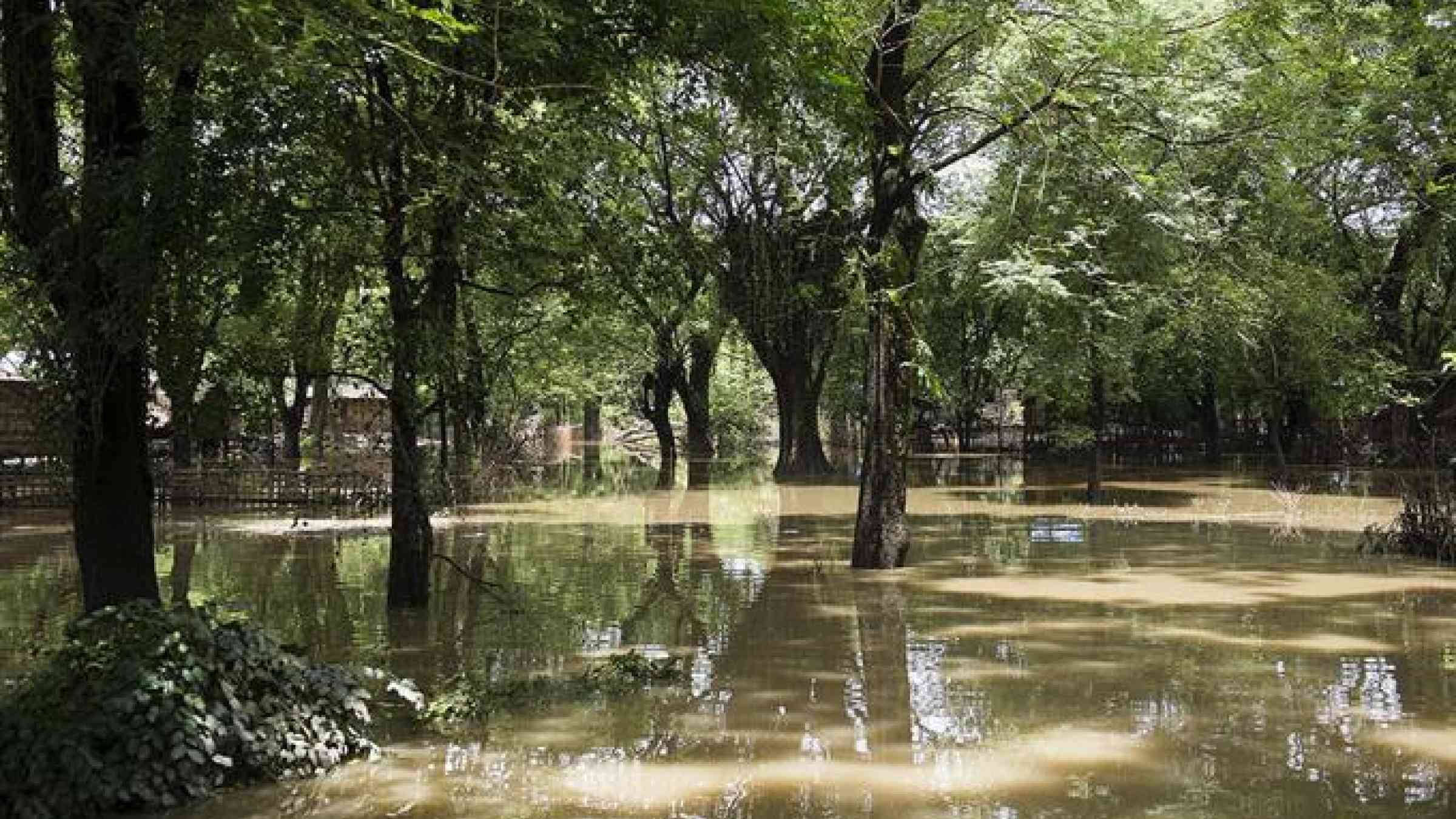
A new $37.2 million levee in the town of St. Helena, on the floodplain of the Napa River, has a colourful history and has been stirring local acrimony since its inception. The project illustrates both the attraction of levee protection, in this case protecting a low-income neighborhood, as well as pitfalls of this strategy for long-term risk management.
This paper argues that a human rights-based approach (HRBA), i.e. participation in political life, consultation of affected groups in decision-making processes, access to justice, due process, transparency and accountability, provides excellent tools towards a real positive change in disaster risk reduction (DRR), climate change adaptation and mitigation. The publication analyses case studies in Brazil, Dominican Republic, Ethiopia and Nepal.
United Nations Office for Disaster Risk Reduction (UNDRR)
Irish Centre for Human Rights (National University of Ireland)
Faculty of Political Science and Journalism (Adam Mickiewicz University in Poznań)
The Nansen Initiative has held inter-governmental Regional Consultations and civil society meetings in the Pacific, the Americas, Africa, Asia, and Europe to explore the protection and assistance needs of people displaced across borders in the context of
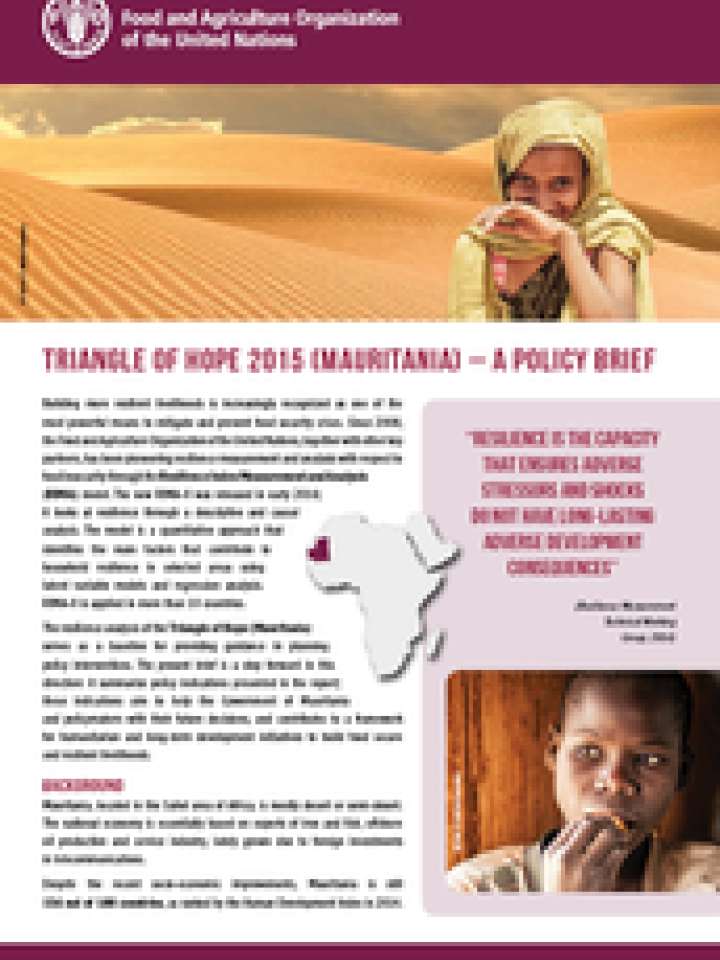
The resilience analysis of the Triangle of Hope (Mauritania) serves as a baseline for providing guidance in planning policy interventions. The present brief summarizes policy indications presented in the report. These indications aim to help the
Food and Agriculture Organization of the United Nations (FAO)