1. Home
  2. Knowledge Base | PreventionWeb
  3. Themes

Inclusion

Ensuring an all-of-society engagement and partnership for DRR through empowerment and inclusive, accessible and non-discriminatory participation, paying special attention to people disproportionately affected by disasters, especially the poorest.
Here are five ways countries ensure persons with disabilities are not left behind when the next disaster strikes.

Latest Inclusion additions in the Knowledge Base

Uploaded on
Update

Save the Children is working to ensure that children in crisis situations, including disasters, are not deprived of their right to education. Play-based methods provide interactive ways for children to be central to their learning - as communicators of risk, act as agents of change, and active participants in decision-making processes that will ultimately affect them.

Save the Children International
Update

Partnering with local government agencies and mobile companies, Save the Children initiated an SMS disaster early warning system that provides weather information to the vulnerable coastal provinces of Viet Nam. This allows provincial authorities to make life-saving decisions, educational authorities to ensure children are safe, and households to better prepare.

Save the Children International
Documents and publications

This policy brief aims to present strategies to promote the interaction among decision makers and policymakers, the coordination of policies related to climate change and disaster management, as well as migration policies for preparedness and provision of

International Organization for Migration (IOM)
Documents and publications

The publication discusses the fragmentary empirical data from the Americas on migration-related challenges in the context of natural disasters and analyses the laws, policies and practices of States concerned.

International Organization for Migration (IOM)
Documents and publications

This policy brief first gives an overview of the environmental situation of Azerbaijan. Second, it explores how disasters and climate change may affect the population and its mobility. Lastly, it critically analyses national environmental policies and

International Organization for Migration (IOM)
Documents and publications

This publication presents ActionAid’s resilience framework to help understand the vulnerabilities of communities to different risks, and the opportunities that can be derived from this. It includes the different elements of resilience that are crucial

ActionAid International
Photo by Flickr user United Nations Photo CC BY-NC-ND 2.0 https://flic.kr/p/qJKnna
Update

Women are disproportionately affected by disasters compared to men, with a 4:1 ratio. Circumstances may lead to the misperception that vulnerability to the impacts of disasters is due to weak physical characteristics; in reality, it is gender inequality contributing to the high proportion of women affected. In this framing, women can become assets rather than a burden.

Jakarta Post, the
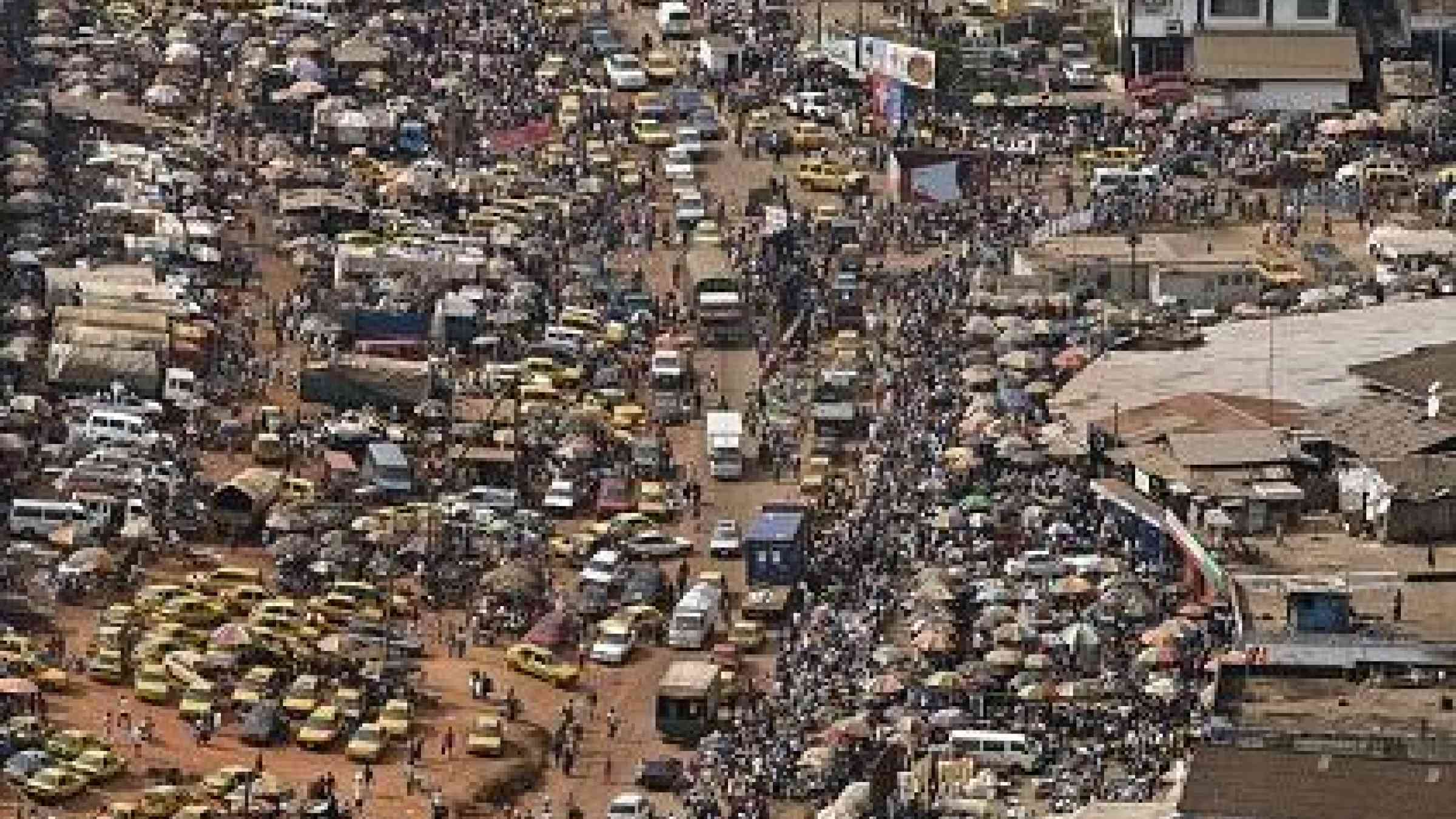
Sustainable urbanization and disaster risk reduction go hand in hand, according to delegates preparing for the Habitat III summit
Update

Reducing the risks posed by natural and man-made hazards will be critical to keep cities around the globe on a sustainable development track, according to delegates preparing the way for the UN’s Habitat III conference on urbanization.

United Nations Office for Disaster Risk Reduction - Regional Office for Asia and Pacific
United Nations Office for Disaster Risk Reduction - Office in Incheon for Northeast Asia and Global Education and Training Institute for Disaster Risk Reduction
Uploaded on