Ensuring an all-of-society engagement and partnership for DRR through empowerment and inclusive, accessible and non-discriminatory participation, paying special attention to people disproportionately affected by disasters, especially the poorest.
Here are five ways countries ensure persons with disabilities are not left behind when the next disaster strikes.
Almost 50% of the poorest 40% of Sri Lanka's population live within 30km of urban areas. Outdated and poorly maintained drainage systems create significant flood risks, exacerbated by climate change, and challenges to urban development. The Metro Colombo Project has been supporting the government to reduce flooding, and rehabilitate, improve and maintain infrastructure.
This publication presents the results from an evaluation of the perceptions of Los Angeles nonprofit homeless residential service providers and community-based organisations (CBOs) regarding the likely impacts of a disaster on their clients and operations
This booklet is directed towards the Food and Agricultural Organization Member States, UN system and all other potential partners, and sheds light on the role that resilient agriculture livelihoods can play in addressing some of the root causes of
Food and Agriculture Organization of the United Nations (FAO)
Countries in the south-east Asian sub-region have agreed to establish a dedicated funding stream to build preparedness for health emergencies in the region, one of the most disaster-prone in the world. As part of the South-East Asia Regional Health Emergency Fund (SEARHEF), the funding stream will change from only disbursing funds after a disaster has taken place.
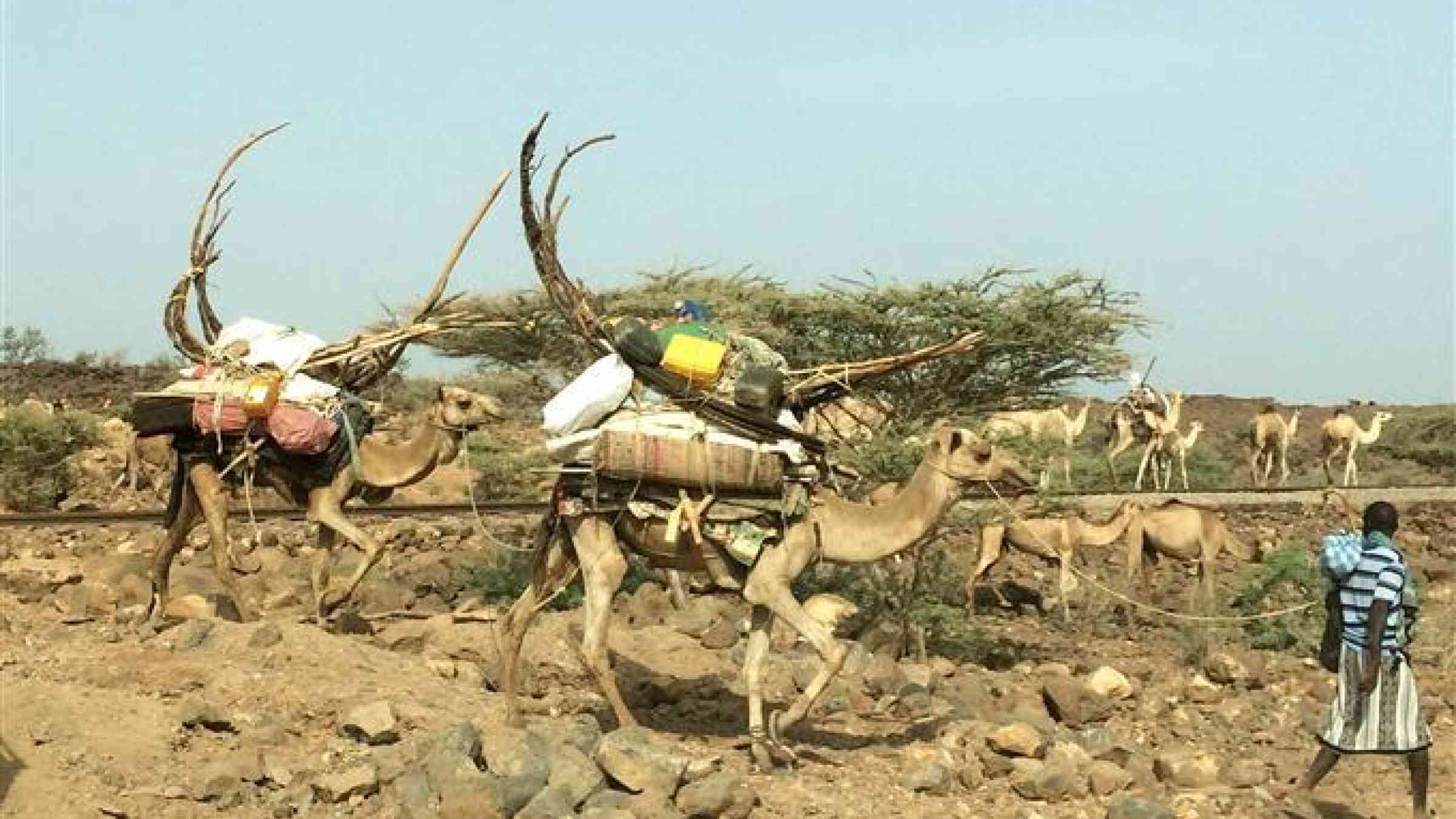
Over time, climate change can make populated areas inhabitable, leaving migration as the only viable adaptation option. Forced migration is tragic for those affected, especially when it is connected to loss of land, culture, identity, and sovereignty. However, improved climate science can better predict how slow onset events will affect different regions of the world.
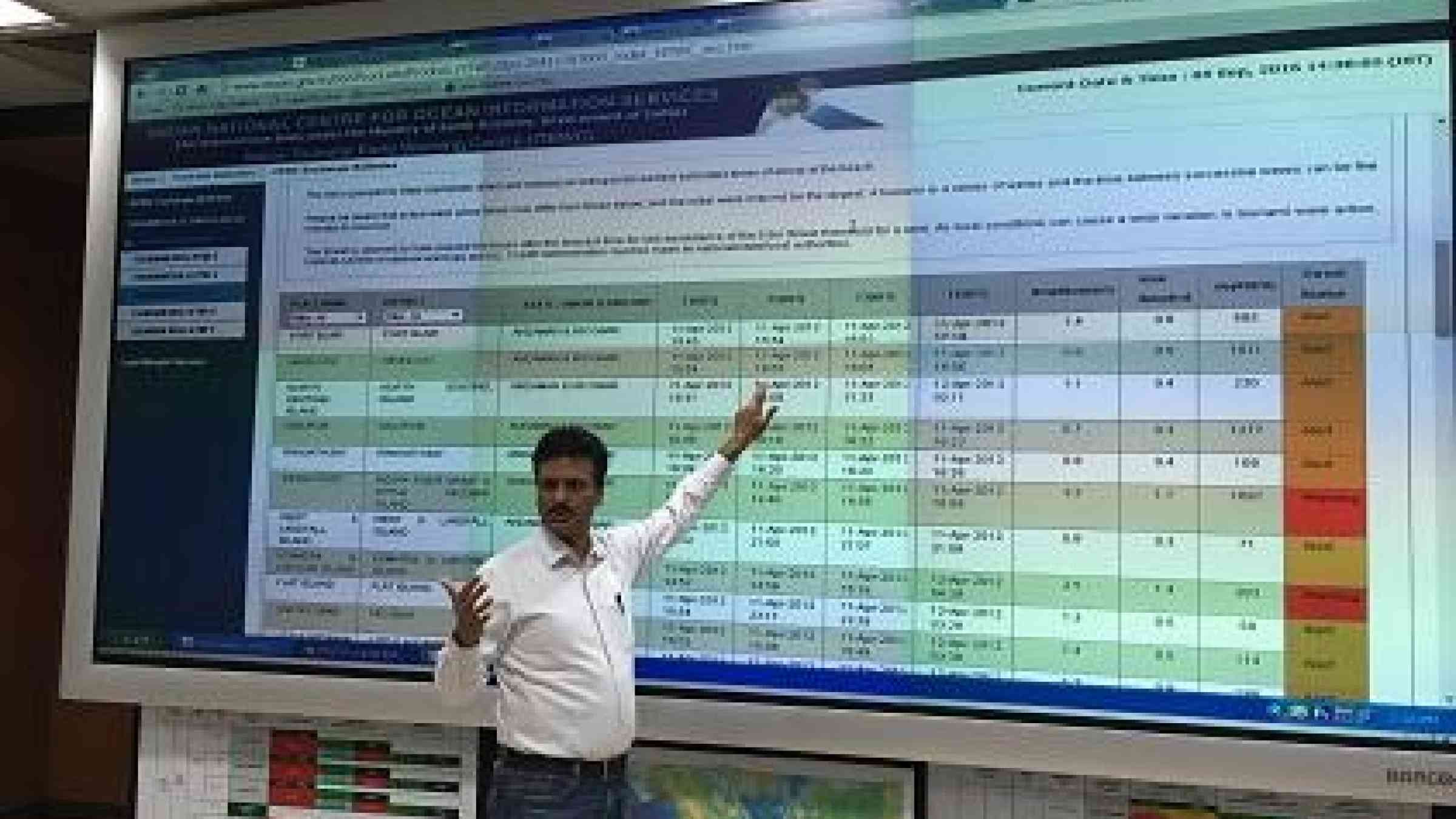
India which suffered heavy losses in the 2004 Indian Ocean tsunami is one of the leading players in the tsunami drill which gets underway tomorrow in 24 countries.
United Nations Office for Disaster Risk Reduction - Regional Office for Asia and Pacific
The photo of schoolgirls, wading through knee-deep floodwater at a school in Bangladesh to attend classes, spoke more than a thousand words. Education in emergency deserves more attention in Bangladesh, one of the most vulnerable countries in the world to climate change. Children - comprising 39.7% of the population - have to bear a disproportionate brunt of its effects.
Based on consultations with key stakeholder groups in Gorakhpur city in eastern India, this paper examines the housing vulnerability challenges faced by the urban poor. The paper analyses the existing constraints within the current financial mechanisms
International Institute for Environment and Development (IIED)
Institute for Social and Environmental Transition - International (ISET)