1. Home
  2. Knowledge Base | PreventionWeb
  3. Themes

Inclusion

Ensuring an all-of-society engagement and partnership for DRR through empowerment and inclusive, accessible and non-discriminatory participation, paying special attention to people disproportionately affected by disasters, especially the poorest.
Here are five ways countries ensure persons with disabilities are not left behind when the next disaster strikes.

Latest Inclusion additions in the Knowledge Base

Uploaded on
Yellowdot rapid assesment report impacts of cyclone on PwDs in Sri Lanka thumbnail
Documents and publications

This report presents a rapid assessment of the impacts of a cyclone on persons with disabilities (PwDs) in Sri Lanka, conducted by Yellow Dot and partners.

Yellow dot communinty (YDC)
Strengthening inclusive climate and disaster risk financing in the Philippines: A landscape overview of systems, instruments, and entry points thumbnail
Documents and publications

This publication outlines the evolving landscape of climate and disaster risk financing and insurance in the Philippines, emphasising its central role in strengthening DRR, food system resilience, and support for vulnerable populations.

World Food Programme (WFP)
Working with indigenous knowledge holders to advance equitable and inclusive nature and climate initiatives thumbnail
Documents and publications

The article provides guidance on how to engage ethically and collaboratively with Indigenous Knowledge holders to support inclusive nature-based climate adaptation and biodiversity initiatives.

International Institute for Sustainable Development (IISD)
Update

Across Asia and the Pacific, change acts as a "threat multiplier," deepening pre-existing inequalities and disproportionately impacting women during disasters.

United Nations Development Programme (UNDP)
Update

A quarter of people in three African neighbourhoods have been forced to take time off work due to heat stress, research by IIED and Slum Dwellers International reveals.

International Institute for Environment and Development (IIED)
Heat impacts on informal settlements: participatory heat data collection in Kenya, Tanzania and Zimbabwe thumbnail
Documents and publications

This issue paper reports the findings of pilot participatory heat data collection in Kenya, Tanzania and Zimbabwe.

International Institute for Environment and Development (IIED)
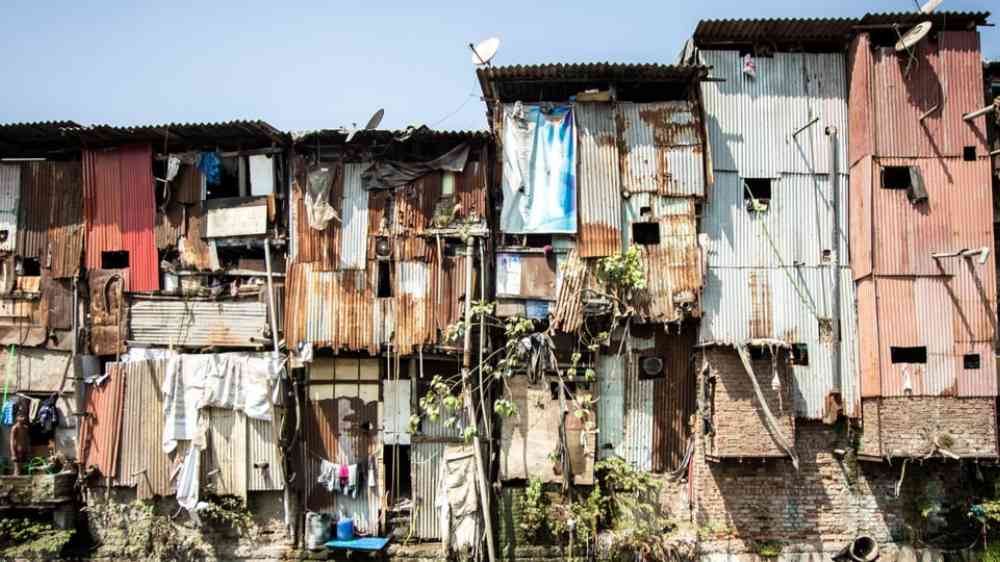
Dharavi slums on the banks of the river Mumbai
Research briefs

Research shows that the poorest may be least able to move away from harm.

Yale Climate Connections
Case study
Location: Kenya
This study investigates the catalytic role of low-tech participatory methods in enhancing climate resilience at the local level, using Mathare Informal Settlement in Nairobi, Kenya, as a case study.
  • Global Disaster Preparedness Center (GDPC)
Uploaded on