1. Home
  2. Knowledge Base | PreventionWeb
  3. Themes

Community-based DRR

This approach engages the local community, including the most vulnerable, in managing local disaster risk with community specific risk reduction measures while recognizing existing capacities and coping mechanisms. This includes community assessments of hazards, vulnerabilities and capacities, and their involvement in planning, implementation, monitoring and evaluation of local action for disaster risk reduction. Community-based DRR is a key disaster risk management approach.

Latest Community-based DRR additions in the Knowledge Base

Uploaded on
Cover
Educational materials

This education booklet was produced in the context of the RAHAT project which focuses on extreme heat vulnerability in informal housing in Jodhpur, western India, where climate change is intensifying temperature extremes.

University of Cambridge
Bridging  thumbnail
Documents and publications

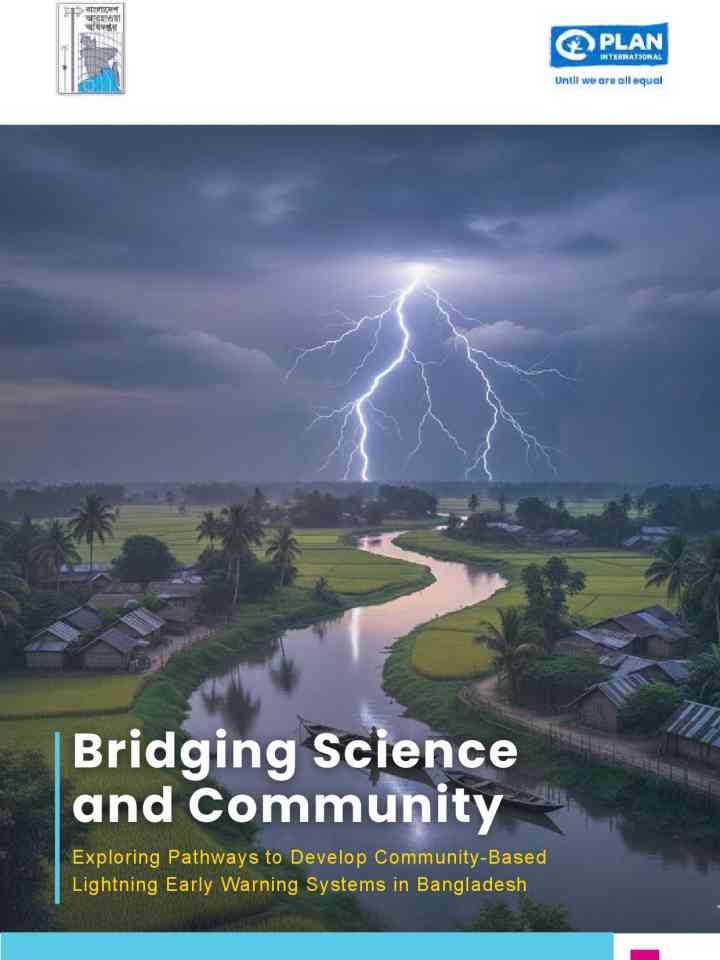
The report examines how integrating scientific forecasting with local community knowledge can strengthen community-based lightning early warning systems in Bangladesh to better protect vulnerable rural populations.

Network for Information Response and Preparedness Activities on Disaster
Plan International (PI)
Case study
Location: Argentina Chile
The paper advances a rights- and justice-oriented approach to resilience, highlighting the need for multi-role state actionregulatory, redistributive, and enabling-alongside gender-responsive care infrastructures and participatory data systems.
  • Global Disaster Preparedness Center (GDPC)
Case study
Location: Nigeria
The study highlights notable policy gaps in embedding bottom-up innovations into urban resilience planning, and advocates co-designed interventions that strengthen social capital, offer technical assistance, financing.
  • Global Disaster Preparedness Center (GDPC)
Group of traditional indian women wearing colorful saree join hands with each other.
Sanjay Kumar Srivastava
Operating extensively in flood- and climate-vulnerable districts, JEEViKA demonstrates how livelihoods programmes, when rooted in community institutions, can double as platforms for disaster risk reduction and climate adaptation.
Update

Earth announces the launch of Bolivia’s first Community Emergency Response Team (CERT) Train-the-Trainer Program, a milestone initiative designed to strengthen community-led disaster preparedness and resilience nationwide.

Friends of Mother Earth
Small heat resilience measures: Big impact in small towns and on small businesses in India thumbnail
Documents and publications

This document highlights how simple, low-cost heat resilience measures — such as shade, drinking water access, and flexible work timings — are helping street vendors, artisans, women workers, and informal businesses reduce heat stress and income loss.

All India Disaster Mitigation Institute
Case study
Location: Europe
Local knowledge and community participation have been integral to the development of new multi-hazard risk prediction and planning tools.
  • European Commission
Uploaded on