1. Home
  2. Knowledge Base | PreventionWeb
  3. Hazards

Technological hazard

Technical or technological disasters are caused by events that can be intense and sudden, induced by human processes. They originate from technological or industrial conditions, dangerous procedures, infrastructure failures or specific human activities (UNGA, 2016).

Technical systems are complex, with many dependent subsystems. The failure of one element within this system can cascade throughout the chain, causing a series of failures leading to a disaster. Technical hazards are increasing due to the scope of technological expansion. They include industrial activity that includes dangerous conditions, processes, all transport systems (land, sea, air), defensive or offensive weapons systems and power plants.

By 2050, most of humanity will live downstream of large dams built in the 20th century.

A new set of emerging technological risks under the Sendai Framework includes Information and communications technology (ICT)-related hazards. The increasing dependence upon complex large-scale network architectures of information technologies also increases exposure to cybersecurity threats. These threats include computer viruses, worms, Trojan horses, malware, spoofing attacks, identity theft, the theft and illegal disclosure of data, the loss of data and contamination of data. They have the potential to disrupt essential infrastructure operations such as communication, health, banking, transportation, energy, education and many other services.

Risk factors

  • Ageing, abandoned or idle installations.
  • Insufficient institutional and legal capacities.
  • Natural hazards: storms, landslides, floods or earthquakes can cause industrial accidents.

Vulnerable areas

  • Residential communities around industrial establishments tend to be most at risk because of their proximity.

Risk reduction measures

  • Assess the risks before planning and building critical infrastructure.
  • Develop policies and practices for continuity management.
  • Integrate the risks into planning, foresee and reduce cascading effects.
  • Create a hazard map to identify people at risk and their vulnerability.
  • Draft national, regional and local response plans.
  • Put in place early warning/monitoring systems to inform response.
  • Ensure contingency and response plans are in place at a national and local level to evacuate people on time.
  • Assess new technologies.
  • Improve crisis communication before, during and after the event.
  • Organize training and exercises for complex scenarios involving multiple interdependent failures.
  • Educate and raise awareness on potential risks.
Latest Technical Disaster additions in the Knowledge Base

Uploaded on
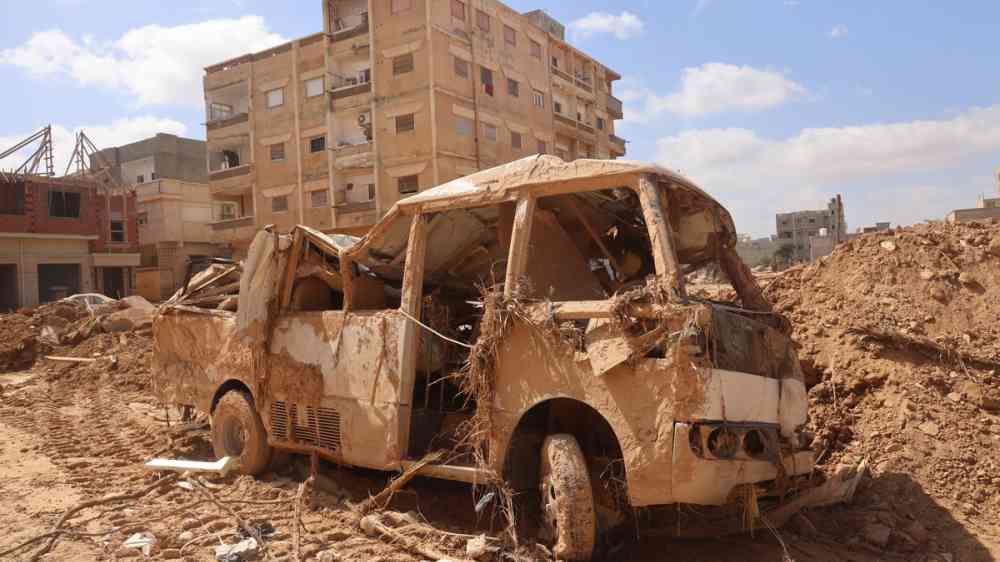
Flood damage: Derna, Libya, September 2023
Update
Libya: Two years after the floods, dam neglect remains a global risk

As Libya contends with the impacts of the catastrophe, lessons and opportunities for action unfold for aging dams and water management elsewhere, particularly in conflict-ridden areas.

International Water Management Institute (IWMI)
What remains: Disaster risk and emergency preparedness in a Chilean mining town thumbnail
Documents and publications

This qualitative study draws on a small-sample set of interviews with the 1965 Chile mining disaster survivors and family members to examine how past disaster experiences shape present-day understandings of disaster risk.

International Journal of Disaster Risk Reduction (Elsevier)
Update
USA: In FL locals suspect a mining company is to blame for flooding

A community in Florida believes the 2017 Hurricane Irma shouldn’t have affected them. Instead, they suspect another culprit: the Chemours mining complex, which sprawls across three counties some 50 miles upstream.

Grist Magazine
NaTech database and methodologies for its risk assessment: a review thumbnail
Documents and publications

NaTech incidents can be defined as industrial accidents triggered by natural events such as earthquakes and storms - and have been increasing in both frequency and severity. This study provides an analysis of 1,300 NaTech incidents over the past 70 years.

Natural Hazards (Springer)
Update
Norway: We can build safer tunnels with artificial intelligence

Artificial intelligence is changing how we build tunnels. We can now predict hazardous rock conditions before we encounter them, leading to safer tunnels, lower costs, reduced environmental impact, and better decision-making underground.

Norwegian Geotechnical Institute
Update
Japan: Govt to classify large infrastructure failures as disasters

The government will classify large-scale failures in the functions of infrastructure as disasters under its new guidelines for such incidents.

Japan News, the - Yomiuri Shimbun
Cover
Documents and publications

This study demonstrated the critical role of targeted educational interventions in enhancing workers’ PAKF to mitigate heat stress risks in thermally challenging industries.

BMC Public Health
Update
Research into the strength of railway embankments

In late July 2025, a train derailed in Germany due to a landslide caused by heavy rainfall. This raises the question: could something like this happen in the Netherlands?

Deltares
Uploaded on