1. Home
  2. Knowledge Base | PreventionWeb
  3. Hazards

Technological hazard

Technical or technological disasters are caused by events that can be intense and sudden, induced by human processes. They originate from technological or industrial conditions, dangerous procedures, infrastructure failures or specific human activities (UNGA, 2016).

Technical systems are complex, with many dependent subsystems. The failure of one element within this system can cascade throughout the chain, causing a series of failures leading to a disaster. Technical hazards are increasing due to the scope of technological expansion. They include industrial activity that includes dangerous conditions, processes, all transport systems (land, sea, air), defensive or offensive weapons systems and power plants.

By 2050, most of humanity will live downstream of large dams built in the 20th century.

A new set of emerging technological risks under the Sendai Framework includes Information and communications technology (ICT)-related hazards. The increasing dependence upon complex large-scale network architectures of information technologies also increases exposure to cybersecurity threats. These threats include computer viruses, worms, Trojan horses, malware, spoofing attacks, identity theft, the theft and illegal disclosure of data, the loss of data and contamination of data. They have the potential to disrupt essential infrastructure operations such as communication, health, banking, transportation, energy, education and many other services.

Risk factors

  • Ageing, abandoned or idle installations.
  • Insufficient institutional and legal capacities.
  • Natural hazards: storms, landslides, floods or earthquakes can cause industrial accidents.

Vulnerable areas

  • Residential communities around industrial establishments tend to be most at risk because of their proximity.

Risk reduction measures

  • Assess the risks before planning and building critical infrastructure.
  • Develop policies and practices for continuity management.
  • Integrate the risks into planning, foresee and reduce cascading effects.
  • Create a hazard map to identify people at risk and their vulnerability.
  • Draft national, regional and local response plans.
  • Put in place early warning/monitoring systems to inform response.
  • Ensure contingency and response plans are in place at a national and local level to evacuate people on time.
  • Assess new technologies.
  • Improve crisis communication before, during and after the event.
  • Organize training and exercises for complex scenarios involving multiple interdependent failures.
  • Educate and raise awareness on potential risks.
Latest Technical Disaster additions in the Knowledge Base

Uploaded on
Update

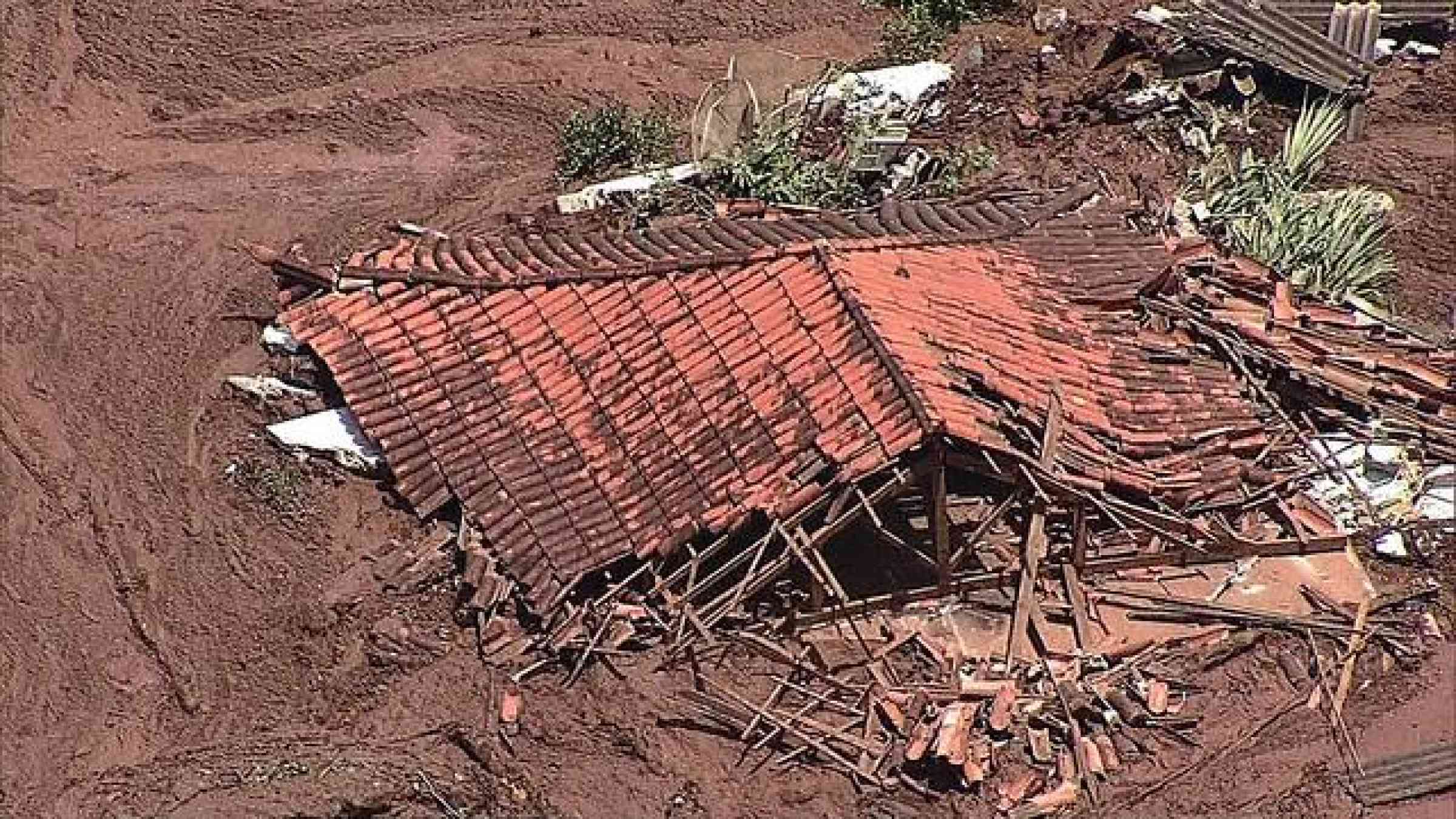
Another tragic industrial accident hit Brazil on 25 January 2019 when the Brumadinho dam failed at an iron ore mine in the South East of the country, killing over 65 persons with roughly 300 still missing. Such accidents could have been avoided by taking adequate and effective safety measures, and by applying UNECE’s safety standards.

United Nations Economic Commission for Europe (UNECE)
Photo by Flickr user Jeso Carneiro CC BY-NC 2.0 https://www.flickr.com/photos/125816678@N05/46171005964/in/photolist-2dkYtuY-23PgK9B-2d2MPGn-23SJPBE-GYCXAt-HmgXrc-22eMS1J-22hVdVM-HmgCDx-22hV2di-22eMmxA-21cH6B3-Z3CVN5-Z3CVzQ-Z3CVcL-G8GpG6-X5so3f-XKdJoA-Y6bwrW-XKdE3w-JuY9WE-WZm4Fy-Xwn8w7-Xwn7Yy-Xogwgk-WjCEYd-WjCEJW-WZkZvj-Xwn1JE-Xwn1Eb-XkyaV5-XAqLgt-Xkyaah-WmZScv-Xky9EQ-XwmZzW-WmZRav-WmZQx8-Xky7tf-Xky7f9-WmZPxH-WmZPuX-WmZPt4-WmZPgR-WmZPie-XwmXRq-WZm4pm-Xwn7JL-Xwn6tj-WjCBgd
Update

A recent dam collapse at an iron ore mine has exposed the dangers of Brazil's aging system, and is a stark reminder of the social, economic and environmental risks of future failures. But there are technological advances that could help Brazil transition from dams to alternative and safer solutions for storing iron ore waste.

Conversation Media Group, the
Documents and publications

Urbanisation leads to house densification, a phenomenon experienced in both planned and unplanned settlements in cities in developing countries. Such densification limits fire brigade access into settlements, thereby aggravating fire disaster risks.

Thi

Jàmbá Journal of Disaster Risk Studies
AOSIS OpenJournals
Update

In this interview, Sugyan Choudhury warns that mines are a hotbed for various disasters and India has already experienced mining-related deaths. To minimize losses, all mining activities must be framed with an effective disaster management plan containing mechanisms and experts for proper implementation.

Pioneer, the
Documents and publications

This report analyses past technological incidents with hazardous materials releases and damage to industrial facilities caused by the impact of storms. It discusses the vulnerability of industrial sites including that of the main equipment types present

European Commission
Documents and publications

Recent and projected developments in the Arctic call for improving emergency preparedness in the region. Arctic emergency preparedness is facing traditional challenges on a new scale as well as new, non-traditional challenges. There is political will on

Nordic Open Access Scholarly Publishing
Research briefs

New research reveals that spillway discharge from California's Oroville Dam likely created rapid changes in fluid pressure along fractures in the rock below the spillway. The researchers conclude that this process could have caused the fractures to repeatedly open and close, establishing a link between the discharge and the 2017 quake in the Sierra Nevada foothills.

Seismological Society of America
Documents and publications

The Strategic Approach to International Chemicals Management (SAICM) is a policy framework for international action on chemical hazards. It supports achievement of a central goal agreed at the 2002 Johannesburg World Summit on Sustainable Development: to

United Nations Environment Programme (UNEP)
World Health Organization (WHO)
Strategic Approach to International Chemicals Management
Uploaded on