1. Home
  2. Knowledge Base | PreventionWeb
  3. Hazards

Technological hazard

Technical or technological disasters are caused by events that can be intense and sudden, induced by human processes. They originate from technological or industrial conditions, dangerous procedures, infrastructure failures or specific human activities (UNGA, 2016).

Technical systems are complex, with many dependent subsystems. The failure of one element within this system can cascade throughout the chain, causing a series of failures leading to a disaster. Technical hazards are increasing due to the scope of technological expansion. They include industrial activity that includes dangerous conditions, processes, all transport systems (land, sea, air), defensive or offensive weapons systems and power plants.

By 2050, most of humanity will live downstream of large dams built in the 20th century.

A new set of emerging technological risks under the Sendai Framework includes Information and communications technology (ICT)-related hazards. The increasing dependence upon complex large-scale network architectures of information technologies also increases exposure to cybersecurity threats. These threats include computer viruses, worms, Trojan horses, malware, spoofing attacks, identity theft, the theft and illegal disclosure of data, the loss of data and contamination of data. They have the potential to disrupt essential infrastructure operations such as communication, health, banking, transportation, energy, education and many other services.

Risk factors

  • Ageing, abandoned or idle installations.
  • Insufficient institutional and legal capacities.
  • Natural hazards: storms, landslides, floods or earthquakes can cause industrial accidents.

Vulnerable areas

  • Residential communities around industrial establishments tend to be most at risk because of their proximity.

Risk reduction measures

  • Assess the risks before planning and building critical infrastructure.
  • Develop policies and practices for continuity management.
  • Integrate the risks into planning, foresee and reduce cascading effects.
  • Create a hazard map to identify people at risk and their vulnerability.
  • Draft national, regional and local response plans.
  • Put in place early warning/monitoring systems to inform response.
  • Ensure contingency and response plans are in place at a national and local level to evacuate people on time.
  • Assess new technologies.
  • Improve crisis communication before, during and after the event.
  • Organize training and exercises for complex scenarios involving multiple interdependent failures.
  • Educate and raise awareness on potential risks.
Latest Technical Disaster additions in the Knowledge Base

Uploaded on
Update

Several Laotians have returned to newly-repaired homes after the Xe-Pian Xe-Namnoy hydropower dam collapsed last year and caused floods that affected 13,000 people. The Red Cross has also provided cash-based interventions that help people meet their specific needs with freedom and dignity.

International Federation of Red Cross and Red Crescent Societies (IFRC)
Christyam de Lima/Shutterstock
Stephen Edwards, Deputy Director, UCL Hazard Centre, the
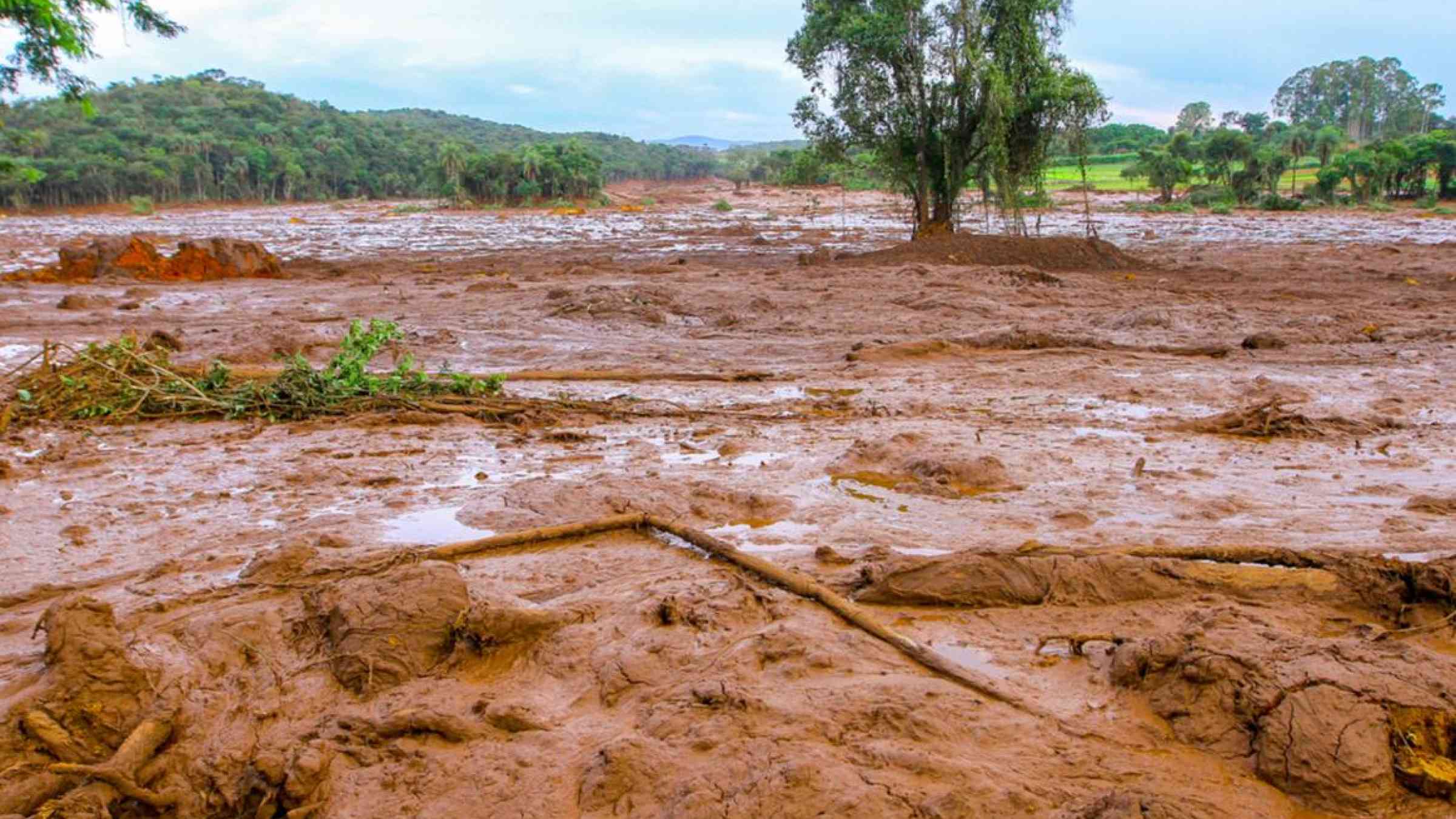
Mineral processing leaves a significant quantity of residue that is dominated by tailings, which are mixtures of finely ground rock and fluid effluents.
Op Ed

Reflecting on Brazil's recent technical disaster, Mami Mizutori, the UN Secretary-General’s Special Representative for DRR, writes in this op-ed that the fatalities and extreme environmental damage associated with tailings dam failures are avoidable. Inadequate risk governance is a key risk driver, and the mining industry must establish a zero casualty policy.

United Nations Office for Disaster Risk Reduction (UNDRR)
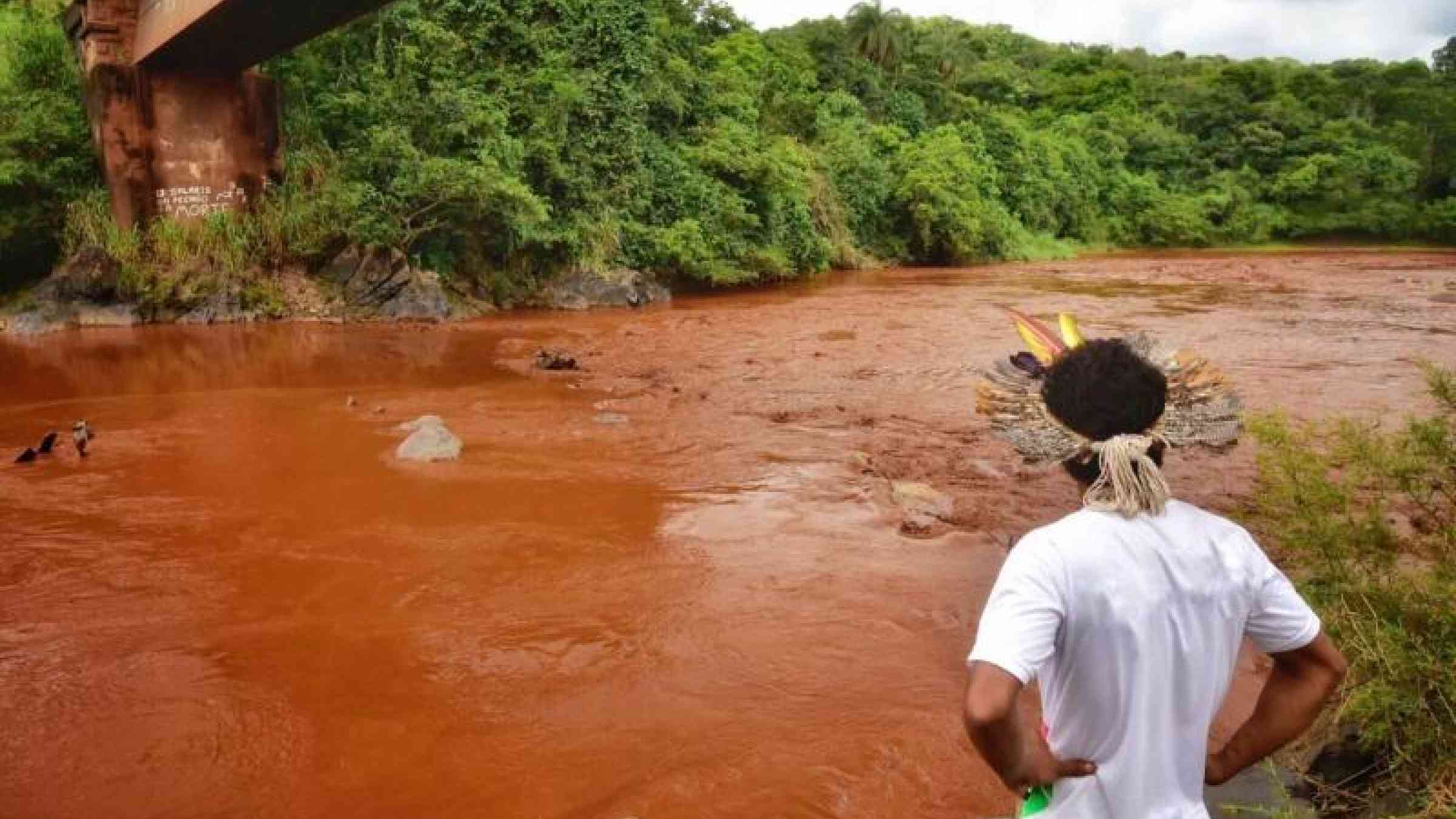
Lucas Hallel ASCOM/FUNAI Pataxó Indigenous people live in the village of Naõ Xohã, on the banks of the Paraopeba river damaged by the collapse of a mining dam in Brumadinho, Brazil.
Update

The head of the UN Office for Disaster Risk Reduction, Mami Mizutori, calls on the mining industry to put into action a zero casualty policy following the Brumadinho dam collapse that left hundreds dead or missing.

United Nations Office for Disaster Risk Reduction (UNDRR)
Update

A recent study warns that there are at least six other major dams in California that have an even higher potential flood risk than the Oroville Dam, whose spillway overflow in 2017 was worsened by climate change. As the world warms, more precipitation will occur, influencing flooding and increasing the risk of another dam collapse.

BuzzFeed, Inc.
Update

The recent collapse of a dam at a mine in Brazil is a prelude to future disasters, which are inevitable across the world. While the number of collapses is decreasing, mines are getting bigger, escalating the risk of both potential damages and toxic release. Exacerbating matters in Brazil, the state government overseeing the collapse has failed to enact regulations.

British Broadcasting Corporation (BBC)
Update

After a dam failure in the Indonesian city of Makassar killed 80 people and affected over 13,000, experts say that earth shaken loose by years of land conversion for mining and farming had been washed down into the dam's reservoir, silting it up and displacing water. The devastation has spurred a more aggressive review of permits and rules.

Thomson Reuters Foundation, trust.org
Update

UN human rights experts have called for a prompt, thorough and impartial investigation into the collapse of a tailing dam in Minas Gerais state. The tragedy demands accountability and calls into question preventive measures taken subsequent to the Samarco mining disaster in the same state just over three years ago.

Office of the United Nations High Commissioner for Human Rights
Uploaded on