1. Home
  2. Knowledge Base | PreventionWeb
  3. Hazards

Technological hazard

Technical or technological disasters are caused by events that can be intense and sudden, induced by human processes. They originate from technological or industrial conditions, dangerous procedures, infrastructure failures or specific human activities (UNGA, 2016).

Technical systems are complex, with many dependent subsystems. The failure of one element within this system can cascade throughout the chain, causing a series of failures leading to a disaster. Technical hazards are increasing due to the scope of technological expansion. They include industrial activity that includes dangerous conditions, processes, all transport systems (land, sea, air), defensive or offensive weapons systems and power plants.

By 2050, most of humanity will live downstream of large dams built in the 20th century.

A new set of emerging technological risks under the Sendai Framework includes Information and communications technology (ICT)-related hazards. The increasing dependence upon complex large-scale network architectures of information technologies also increases exposure to cybersecurity threats. These threats include computer viruses, worms, Trojan horses, malware, spoofing attacks, identity theft, the theft and illegal disclosure of data, the loss of data and contamination of data. They have the potential to disrupt essential infrastructure operations such as communication, health, banking, transportation, energy, education and many other services.

Risk factors

  • Ageing, abandoned or idle installations.
  • Insufficient institutional and legal capacities.
  • Natural hazards: storms, landslides, floods or earthquakes can cause industrial accidents.

Vulnerable areas

  • Residential communities around industrial establishments tend to be most at risk because of their proximity.

Risk reduction measures

  • Assess the risks before planning and building critical infrastructure.
  • Develop policies and practices for continuity management.
  • Integrate the risks into planning, foresee and reduce cascading effects.
  • Create a hazard map to identify people at risk and their vulnerability.
  • Draft national, regional and local response plans.
  • Put in place early warning/monitoring systems to inform response.
  • Ensure contingency and response plans are in place at a national and local level to evacuate people on time.
  • Assess new technologies.
  • Improve crisis communication before, during and after the event.
  • Organize training and exercises for complex scenarios involving multiple interdependent failures.
  • Educate and raise awareness on potential risks.

Latest Technical Disaster additions in the Knowledge Base

Uploaded on
Update

This study aims to consolidate knowledge and generate learning on the uses of social media and crowdsourcing in disaster management processes within the LINKS Framework. Research was conducted in five practitioner-driven case scenarios in Europe.

LINKS
Cover of the OECD brochure: arial view of tanks in the sunset
Documents and publications

This brochure aims to raise awareness of Natech risks and the challenges associated with their management. Using examples, it highlights key characteristics of Natech accidents, and gaps and challenges in analysing and managing Natech risks.

Organisation for Economic Co-operation and Development
Research briefs

Computers can be trained to better detect distant nuclear detonations, chemical blasts and volcano eruptions by learning from artificial explosion signals, according to a new method devised by a University of Alaska Fairbanks scientist.

University of Alaska Fairbanks
Cover
Documents and publications

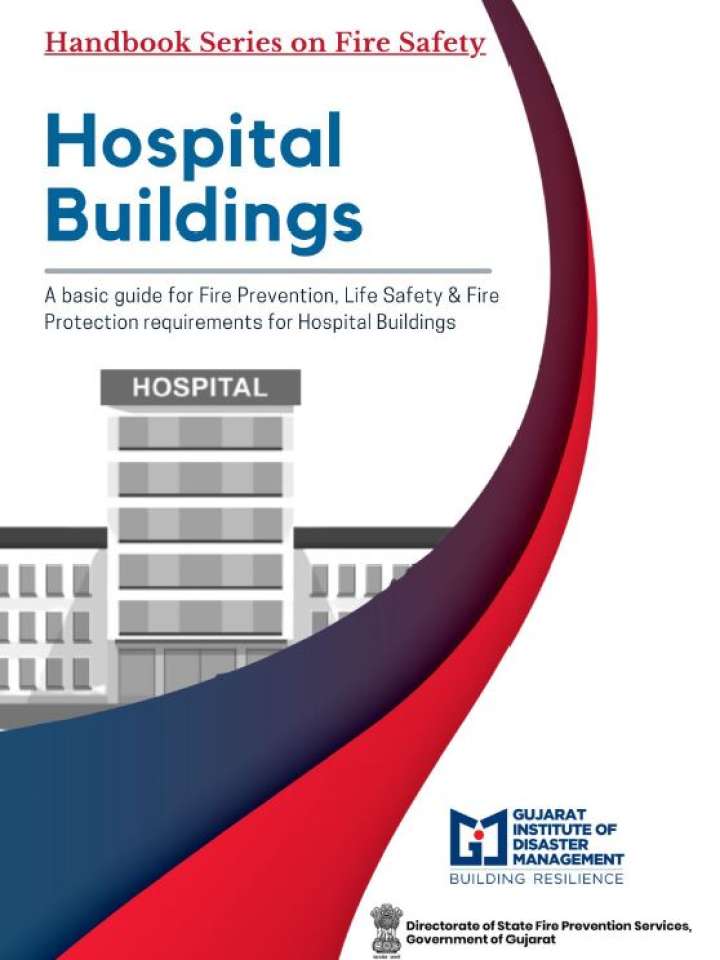
The objective of preparing this document is to enhance the knowledge of all the stakeholders directly related to health care activities and engineers / architects on the basic fire safety measures to be implemented in hospital buildings/ premises.

Gujarat Institute of Disaster Management
Update

In a time of more frequent and severe weather events, hospitals fortify campuses and strengthen emergency plans. The tools include walls, boats, and evacuation drills.

Association of American Medical Colleges
Update

UNECE notes with concern the attacks on industrial facilities in Ukraine since the beginning of the war and calls for a prompt end of hostilities and the prevention of technological disasters, which could affect the population and environment of Ukraine.

United Nations Economic Commission for Europe (UNECE)
Frontpage Cred Crunch 65
Documents and publications

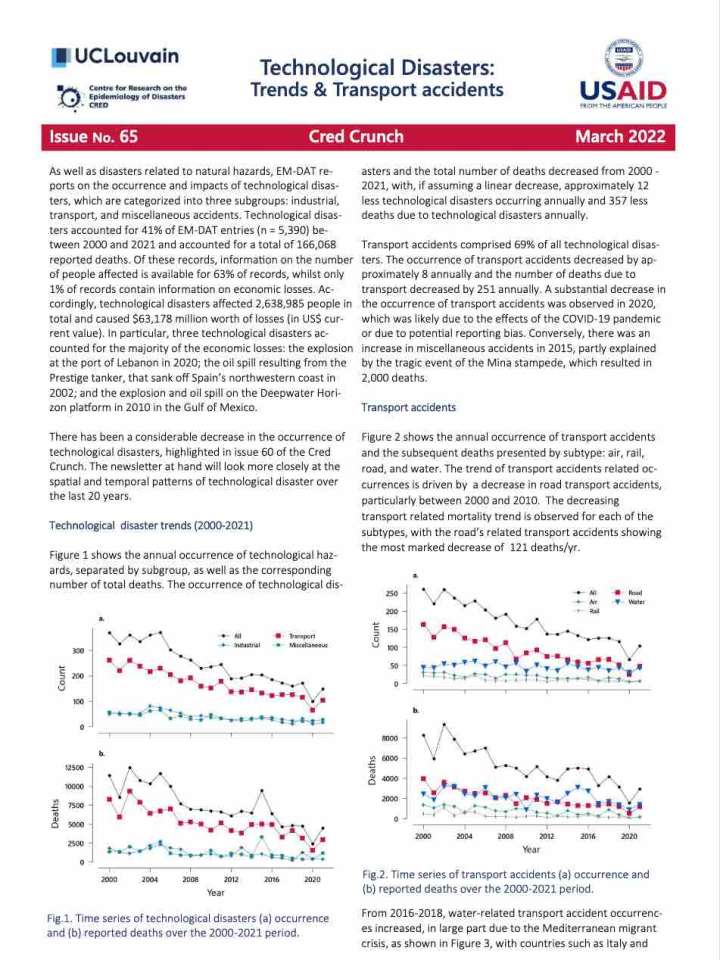
This newsletter looks at patterns of technological disaster over the last 20 years. As well as disasters related to natural hazards, EM-DAT reports on technological disasters, which are categorized into industrial, transport, and miscellaneous accidents.

Centre for Research on the Epidemiology of Disasters (CRED)
Training course
Online
The course aims to raise awareness about industrial accidents in order to strengthen the capacity of government, industry and civil society representatives.
Uploaded on