1. Home
  2. Knowledge Base | PreventionWeb
  3. Hazards

Technological hazard

Technical or technological disasters are caused by events that can be intense and sudden, induced by human processes. They originate from technological or industrial conditions, dangerous procedures, infrastructure failures or specific human activities (UNGA, 2016).

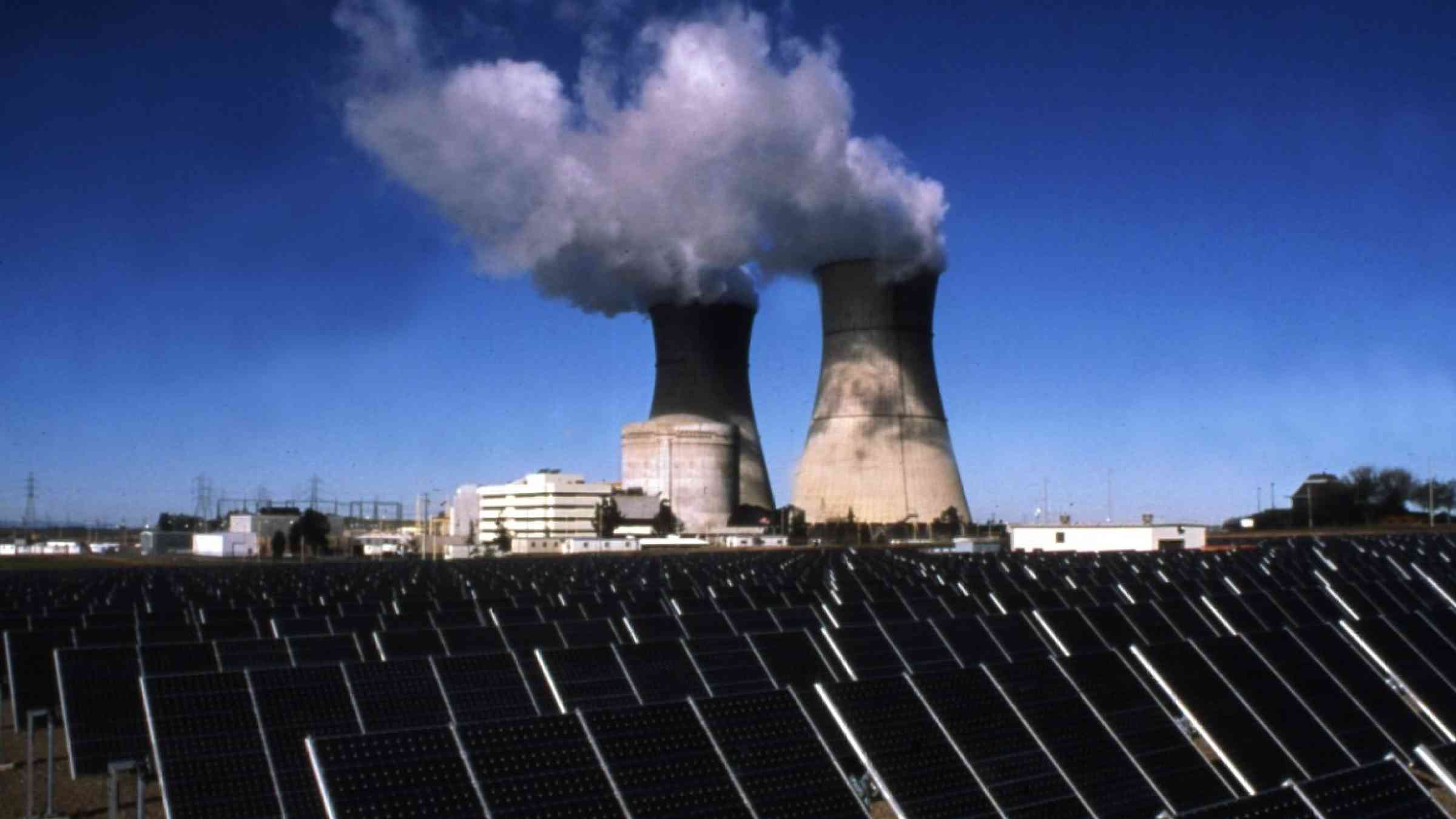
Technical systems are complex, with many dependent subsystems. The failure of one element within this system can cascade throughout the chain, causing a series of failures leading to a disaster. Technical hazards are increasing due to the scope of technological expansion. They include industrial activity that includes dangerous conditions, processes, all transport systems (land, sea, air), defensive or offensive weapons systems and power plants.

By 2050, most of humanity will live downstream of large dams built in the 20th century.

A new set of emerging technological risks under the Sendai Framework includes Information and communications technology (ICT)-related hazards. The increasing dependence upon complex large-scale network architectures of information technologies also increases exposure to cybersecurity threats. These threats include computer viruses, worms, Trojan horses, malware, spoofing attacks, identity theft, the theft and illegal disclosure of data, the loss of data and contamination of data. They have the potential to disrupt essential infrastructure operations such as communication, health, banking, transportation, energy, education and many other services.

Risk factors

  • Ageing, abandoned or idle installations.
  • Insufficient institutional and legal capacities.
  • Natural hazards: storms, landslides, floods or earthquakes can cause industrial accidents.

Vulnerable areas

  • Residential communities around industrial establishments tend to be most at risk because of their proximity.

Risk reduction measures

  • Assess the risks before planning and building critical infrastructure.
  • Develop policies and practices for continuity management.
  • Integrate the risks into planning, foresee and reduce cascading effects.
  • Create a hazard map to identify people at risk and their vulnerability.
  • Draft national, regional and local response plans.
  • Put in place early warning/monitoring systems to inform response.
  • Ensure contingency and response plans are in place at a national and local level to evacuate people on time.
  • Assess new technologies.
  • Improve crisis communication before, during and after the event.
  • Organize training and exercises for complex scenarios involving multiple interdependent failures.
  • Educate and raise awareness on potential risks.

Latest Technical Disaster additions in the Knowledge Base

Uploaded on
People standing in front of the Bahrain International Airport
Update

Bahrain Airport Company (BAC), the operator and managing body of Bahrain International Airport (BIA), announced a fire emergency exercise at the Central Utility Complex (CUC) at Bahrain International Airport

Bahrain News Agency
First page of a research
Documents and publications

The focus of this research is to consider the analysis of risks and recovery related to satellite disruption within the context of the Sendai Framework for Disaster Risk Reduction 2015–2030 (SFDRR)

Springer Nature
A view of the Rancho Seco Nuclear Generating Station in Herald, California
Update

The IAEA invites Member States to participate in the next ConvEx-3. This exercise will simulate a severe nuclear emergency offering a unique opportunity to test and strengthen global preparedness and response mechanisms.

International Atomic Energy Agency
Cover and source: International Journal of Disaster Risk Management
Documents and publications

The review paper aims to provide a holistic description of the diverse causes, dynamics, and multidimensional consequences of industrial disasters through a comprehensive literature review.

International Journal of Disaster Risk Management
Update

Rising floodwaters threatens to disturb buried millions of tonnes of household, industrial and hazardous waste, often in old quarries, or dumped on saltmarshes and floodplains. These toxic floodwaters in turn threaten water supplies and people's health.

Conversation Media Group, the
Crowd waiting for the train during a hot day in London, UK (2022)
Research briefs

The social force model mathematically describes pedestrian movement based on three "social forces" internally motivating each individual. It offers insights for safer venues and survival strategies for crowd crushes.

Northeastern University
Update

Marking the 20th anniversary of the Convention’s Assistance and Cooperation Programme, CoP-13 reflected on progress made, remaining challenges, the programme's expanding impact, and expressed appreciation for commitments and donor countries.

United Nations Economic Commission for Europe (UNECE)
Cover
Documents and publications

By integrating perceptions of social equity into the Protective Action Decision Model, this study uncovers how these perceptions may influence protective action in industrial crises, and in particular the 2023 East Palestine, Ohio (USA) train derailment.

Sustainable Cities and Society (Elsevier)
Uploaded on