1. Home
  2. Knowledge Base | PreventionWeb
  3. Hazards

Landslide

Landslide is the downslope movement of soil, rock and organic materials under the effects of gravity, which occurs when the gravitational driving forces exceed the frictional resistance of the material resisting on the slope. Landslides could be terrestrial or submarine (Varnes, 1978).

Landslides can be triggered by geological and physical causes such as glacier or snow melts, heavy rains and water pressure, earthquakes, volcanic eruptions and overly steep slopes. Landslides can also be triggered by human action, the most common being building on unstable slopes. Submarine landslides, or massive slides and rock falls hitting the sea can also cause tsunamis.

Landslides can reach speeds of over 50 km/h and can bury, crush or carry away people, objects and buildings. Landslides cannot be predicted but warning systems measuring rainfall levels can provide warning to people living in landslide-prone areas.

Instrumental monitoring to detect movement and the rate of movement can be implemented, for example, extensometers, global positioning system (GPS), seismometers, aerial photography, satellite images, LiDaR (Highland and Bobrowsky, 2008), with varying degrees of success. Increasingly, the science of landslide physics is allowing the nature of these hazards to be understood, which is leading to better techniques through which they can be managed and mitigated (HIP).

Risk factors

  • Population growth
  • Rapid urbanisation
  • Environmental degradation (deforestation and inappropriate use of lands and slopes)
  • High population density, heavy rainfall and rapid land use changes increase the instability of slopes

Risk reduction measures

  • Early warning systems to observe and alert before landslides happen
  • Hazard maps to identify landslides risk and vulnerabilities
  • Integrate landslide risk assessment into urban planning strategies
  • Building codes and standards for materials that reinforce landslide resilience
  • Improve drainage, building tunnels and trenches to stabilise slopes
  • Protect forest cover and regulate logging
  • Raise awareness of landslide risk
  • Regular drills and community evacuation exercises
  • Establish national, regional, and local evacuation plans
Latest Land Slide additions in the Knowledge Base

Uploaded on
Update

New report highlights the benefits of ambitious and effective adaptation for sustainable development and warns against the escalating costs and risks of delayed action.

Intergovernmental Panel on Climate Change (IPCC)
Update

The West Africa Coastal Areas (WACA) management program aims to mitigate the consequences of coastal erosion, flooding and pollution caused by human activity, climate change-induced sea-level rise and storm surges.

World Bank, the
Documents and publications

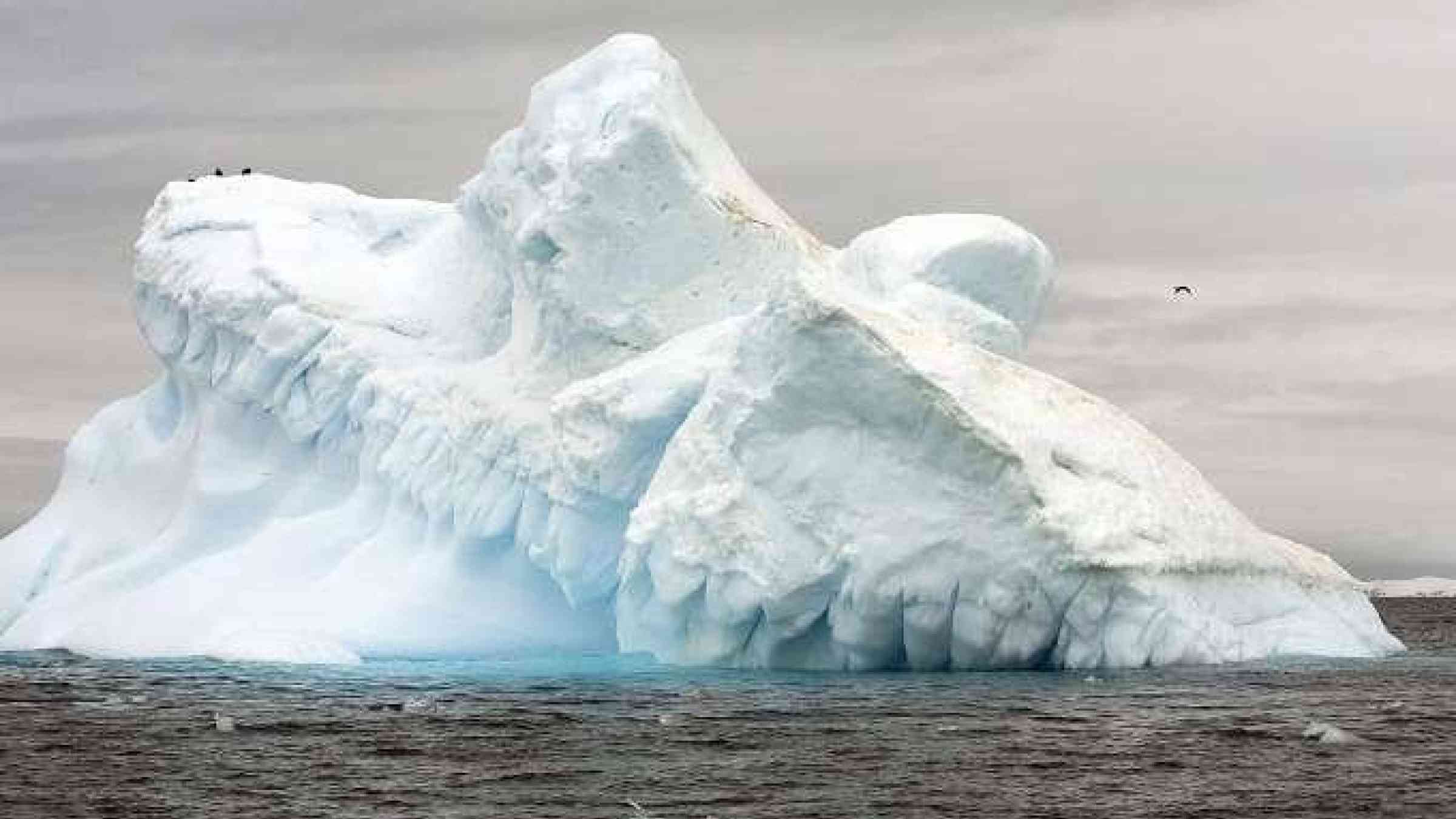
The latest Intergovernmental Panel on Climate Change (IPCC) Special Report highlights the urgency of prioritizing timely, ambitious and coordinated action to address unprecedented and enduring changes in the ocean and cryosphere.

The report reveals

Intergovernmental Panel on Climate Change (IPCC)
Documents and publications

Although Brazil is the fifth largest country in the world, it has a relatively low number of natural hazards. However, its exposure to natural hazards has increased relative to other countries because of insufficient preventive actions in the past

World Bank, the
Global Facility for Disaster Reduction and Recovery, the (GFDRR)
Documents and publications

Brazil faces a complex scenario of natural hazards, essentially as a direct result of its size, diversity and both its natural and social heterogeneity. In 2011, massive landslides were triggered by extreme rainfall that caused the so-called “mega

Revista de Estudios Latinoamericanos sobre Reducción del Riesgo de Desastres (REDER)
Update

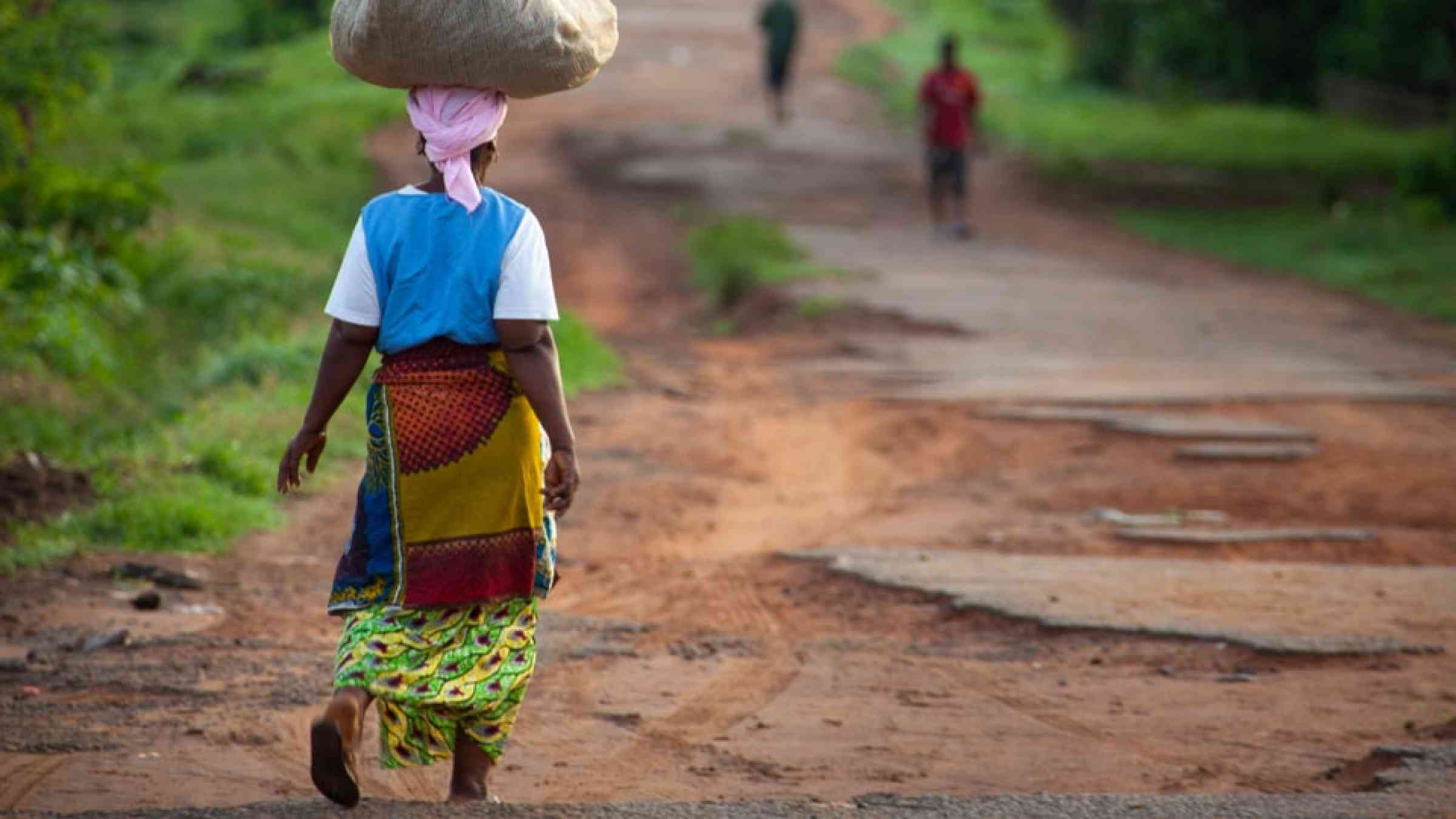
Sierra Leone is vulnerable to floods and mudslides but still lacks an adequate disaster management plan, largely due to the negligence of policymakers.

Patriotic Vanguard, the
Update

According to a new climate report, Norway will start to experience more rainfall, flooding, landslides, power outages, and losses in mobile phone reception.

Life in Norway
Documents and publications

The High-level Experts and Leaders Panel on Water and Disasters (HELP), the network to mobilize political will for combating water-related disasters, has developed the “Principles on Investment and Financing for Water-related Disaster Risk Reduction,”

Organisation for Economic Co-operation and Development
High-level Experts and Leaders Panel on Water and Disasters
Uploaded on