1. Home
  2. Knowledge Base | PreventionWeb
  3. Hazards

Landslide

Landslide is the downslope movement of soil, rock and organic materials under the effects of gravity, which occurs when the gravitational driving forces exceed the frictional resistance of the material resisting on the slope. Landslides could be terrestrial or submarine (Varnes, 1978).

Landslides can be triggered by geological and physical causes such as glacier or snow melts, heavy rains and water pressure, earthquakes, volcanic eruptions and overly steep slopes. Landslides can also be triggered by human action, the most common being building on unstable slopes. Submarine landslides, or massive slides and rock falls hitting the sea can also cause tsunamis.

Landslides can reach speeds of over 50 km/h and can bury, crush or carry away people, objects and buildings. Landslides cannot be predicted but warning systems measuring rainfall levels can provide warning to people living in landslide-prone areas.

Instrumental monitoring to detect movement and the rate of movement can be implemented, for example, extensometers, global positioning system (GPS), seismometers, aerial photography, satellite images, LiDaR (Highland and Bobrowsky, 2008), with varying degrees of success. Increasingly, the science of landslide physics is allowing the nature of these hazards to be understood, which is leading to better techniques through which they can be managed and mitigated (HIP).

Risk factors

  • Population growth
  • Rapid urbanisation
  • Environmental degradation (deforestation and inappropriate use of lands and slopes)
  • High population density, heavy rainfall and rapid land use changes increase the instability of slopes

Risk reduction measures

  • Early warning systems to observe and alert before landslides happen
  • Hazard maps to identify landslides risk and vulnerabilities
  • Integrate landslide risk assessment into urban planning strategies
  • Building codes and standards for materials that reinforce landslide resilience
  • Improve drainage, building tunnels and trenches to stabilise slopes
  • Protect forest cover and regulate logging
  • Raise awareness of landslide risk
  • Regular drills and community evacuation exercises
  • Establish national, regional, and local evacuation plans
Latest Land Slide additions in the Knowledge Base

Uploaded on
Update

In 2020, Asia-Pacific saw the collision of climate extremes and COVID-19 transmission create cascading disasters with wide-ranging impacts on economies and populations.

United Nations Economic and Social Commission for Asia and the Pacific (UN-ESCAP)
Documents and publications

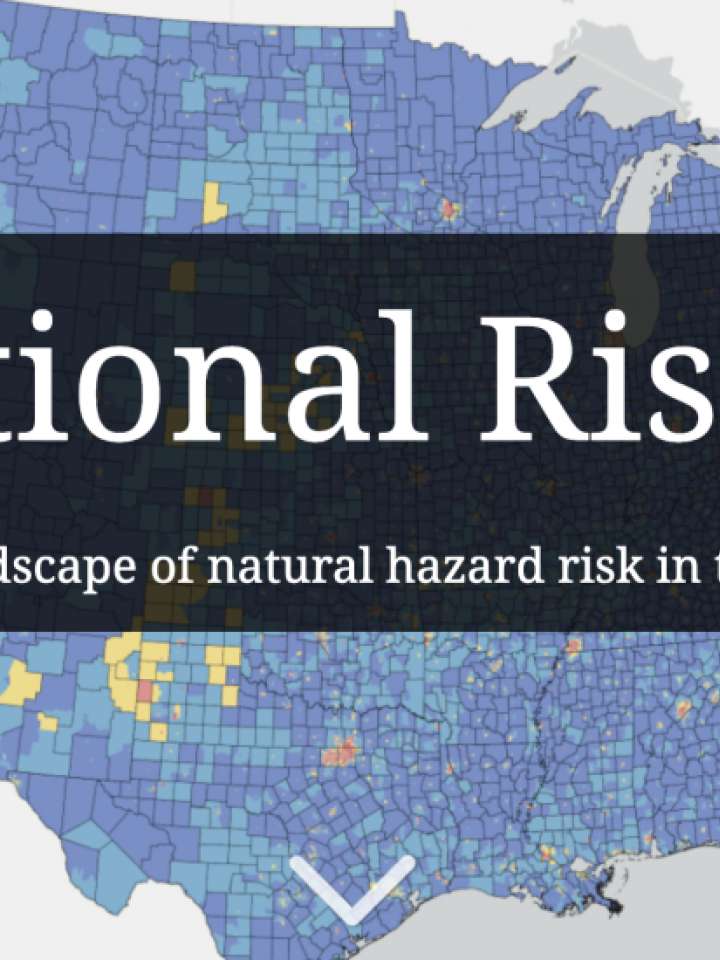
The National Risk Index (The Index) is an online tool to help illustrate the nation's communities most at risk of natural hazards. It is made possible through a collaboration between FEMA and dozens of partners in academia; local, state and federal

Federal Emergency Management Agency (FEMA)
Documents and publications

This biennial publication features the latest research and activities from the Southeast Asia Disaster Prevention Research Institute, Universiti Kebangsaan Malaysia. This issue includes articles on:

  • Malaysia launches a national risk register;

  • Se

Southeast Asia Disaster Prevention Research Institute, Universiti Kebangsaan Malaysia
Integrated Research on Disaster Risk
Documents and publications

This study has been conducted in the Caraga region of northeast Mindanao, in order to better understand the interlinkages between coherent planning and conflict and to explore the possibilities and limitations of coherence approaches in conflict-sensitive

Global Initiative on Disaster Risk Management (GIDRM)
Documents and publications

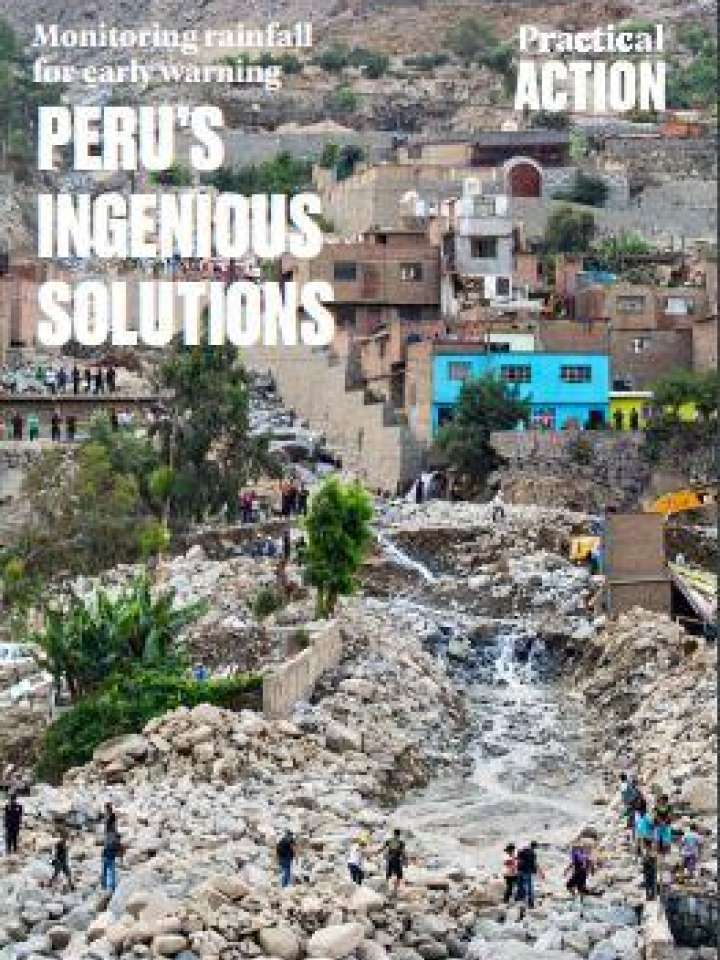
Peru is one of the most hazard-prone countries in the world. It is affected by hydrological hazards including riverine and coastal flooding, as well as landslides and huaycos – a Quechua word locally used for mudslides and flash floods caused by heavy

Practical Action
Research briefs

A new global map shows that land subsidence as a result of the depletion of our groundwater resources is a global anthropogenic hazard.

Deltares
Update

Climate change is making landslides more likely and preparation vital.

High Country News
Update

Earlier this year, the South Asian floods of 2020 were declared a humanitarian crisis when millions across the subcontinent were impacted.

International Centre for Integrated Mountain Development (ICIMOD)
Uploaded on