1. Home
  2. Knowledge Base | PreventionWeb
  3. Hazards

Landslide

Landslide is the downslope movement of soil, rock and organic materials under the effects of gravity, which occurs when the gravitational driving forces exceed the frictional resistance of the material resisting on the slope. Landslides could be terrestrial or submarine (Varnes, 1978).

Landslides can be triggered by geological and physical causes such as glacier or snow melts, heavy rains and water pressure, earthquakes, volcanic eruptions and overly steep slopes. Landslides can also be triggered by human action, the most common being building on unstable slopes. Submarine landslides, or massive slides and rock falls hitting the sea can also cause tsunamis.

Landslides can reach speeds of over 50 km/h and can bury, crush or carry away people, objects and buildings. Landslides cannot be predicted but warning systems measuring rainfall levels can provide warning to people living in landslide-prone areas.

Instrumental monitoring to detect movement and the rate of movement can be implemented, for example, extensometers, global positioning system (GPS), seismometers, aerial photography, satellite images, LiDaR (Highland and Bobrowsky, 2008), with varying degrees of success. Increasingly, the science of landslide physics is allowing the nature of these hazards to be understood, which is leading to better techniques through which they can be managed and mitigated (HIP).

Risk factors

  • Population growth
  • Rapid urbanisation
  • Environmental degradation (deforestation and inappropriate use of lands and slopes)
  • High population density, heavy rainfall and rapid land use changes increase the instability of slopes

Risk reduction measures

  • Early warning systems to observe and alert before landslides happen
  • Hazard maps to identify landslides risk and vulnerabilities
  • Integrate landslide risk assessment into urban planning strategies
  • Building codes and standards for materials that reinforce landslide resilience
  • Improve drainage, building tunnels and trenches to stabilise slopes
  • Protect forest cover and regulate logging
  • Raise awareness of landslide risk
  • Regular drills and community evacuation exercises
  • Establish national, regional, and local evacuation plans
Latest Land Slide additions in the Knowledge Base

Uploaded on
Cover
Documents and publications

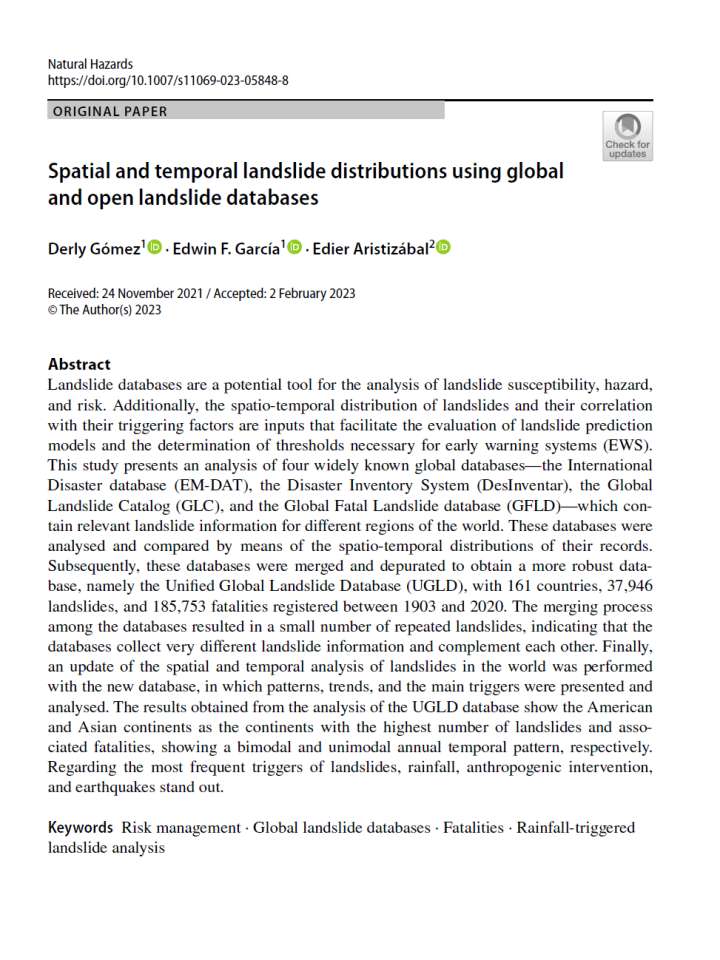
This study presents an analysis of four widely known global landslide databases which contain relevant landslide information for different regions of the world, as potential tools for the analysis of landslide susceptibility, hazard, and risk.

Natural Hazards (Springer)
A storm ocean wave crashes over the road and floods coastal houses.
Research briefs

GEOMAR study suggests more frequent large submarine landslides on the Norwegian shelf

GEOMAR Helmholtz Centre for Ocean Research Kiel
International Awareness Day for Avoidable Deaths Poster
Update

The Avoidable Deaths Network is launching a global campaign, declaring 12 March as the ‘International Awareness Day for Avoidable Deaths’ (IAD4AD).

Avoidable Deaths Network
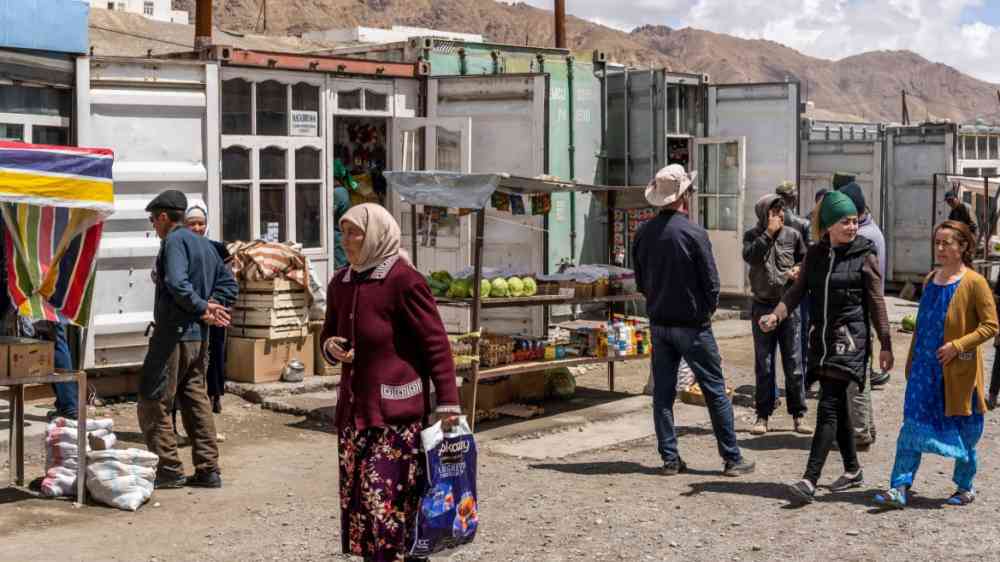
People walking through their village in Tajikistan.
Update

In May 2021, Tajikistan was hit by torrential rains that triggered floods, landslides, and mudflows across much of the country. The worst impact was felt in the Tebalay River watershed, home to more than 300,000 people.

United Nations Development Programme (UNDP)
Update

To overcome the recurring challenges posed by flooding and landslides, the World Bank and the government of Sri Lanka have identified NbS as cost-effective, eco-friendly, and sustainable measures that can be incorporated into risk management approaches.

Global Facility for Disaster Reduction and Recovery, the (GFDRR)
Update

There are several ways to increase the reliability of risk maps. These include utilizing onsite monitoring data for model calibration and validation, leveraging local knowledge and information for spot checks, and conducting robust quality control.

World Bank, the
Cover IJDRR
Documents and publications

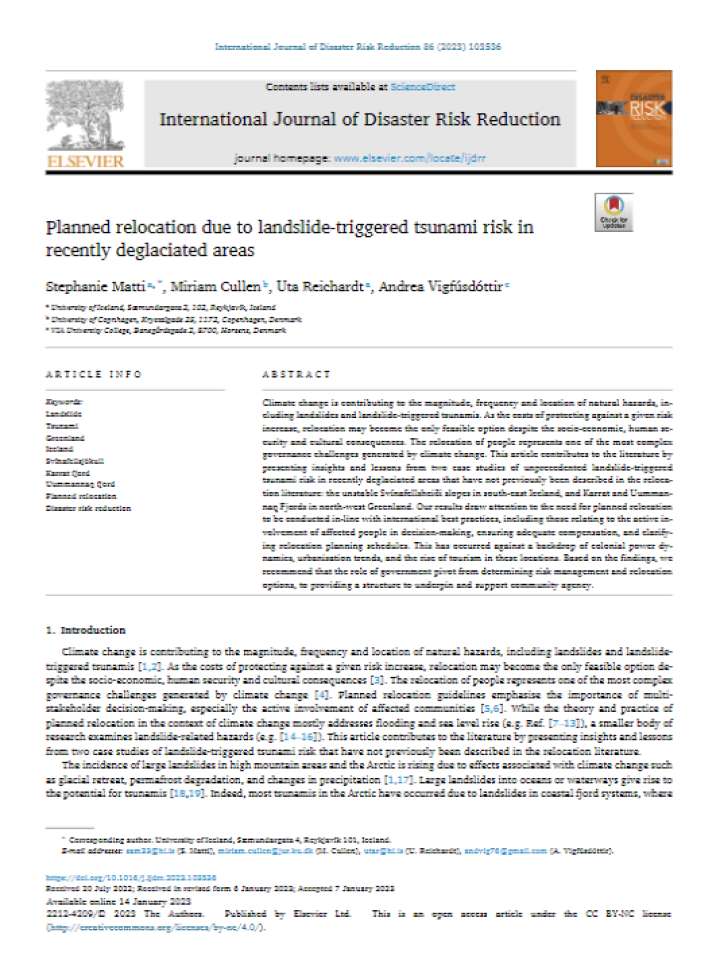
This articleprovides insights and lessons from two case studies of unprecedented landslide-triggered tsunami risk in recently deglaciated areas that have not previously been described in the relocation literature: Iceland and Greenland.

International Journal of Disaster Risk Reduction (Elsevier)
Update

Albania is exposed to a range of natural hazards, and it experiences recurring heavy rains, floods, landslides, droughts, and extreme summer heat, which can cause wildfires.

Global Facility for Disaster Reduction and Recovery, the (GFDRR)
Uploaded on