1. Home
  2. Knowledge Base | PreventionWeb
  3. Hazards

Insect infestation

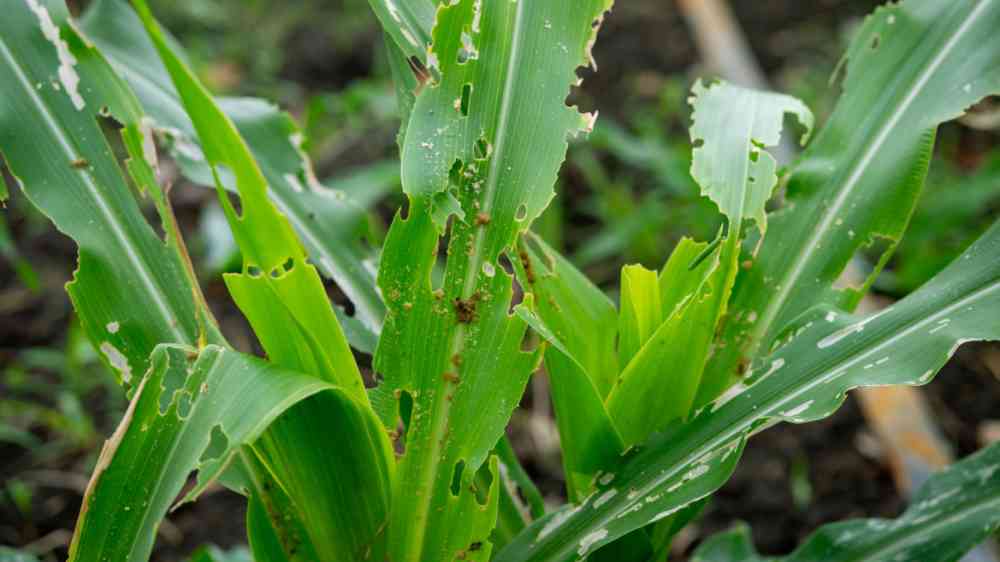
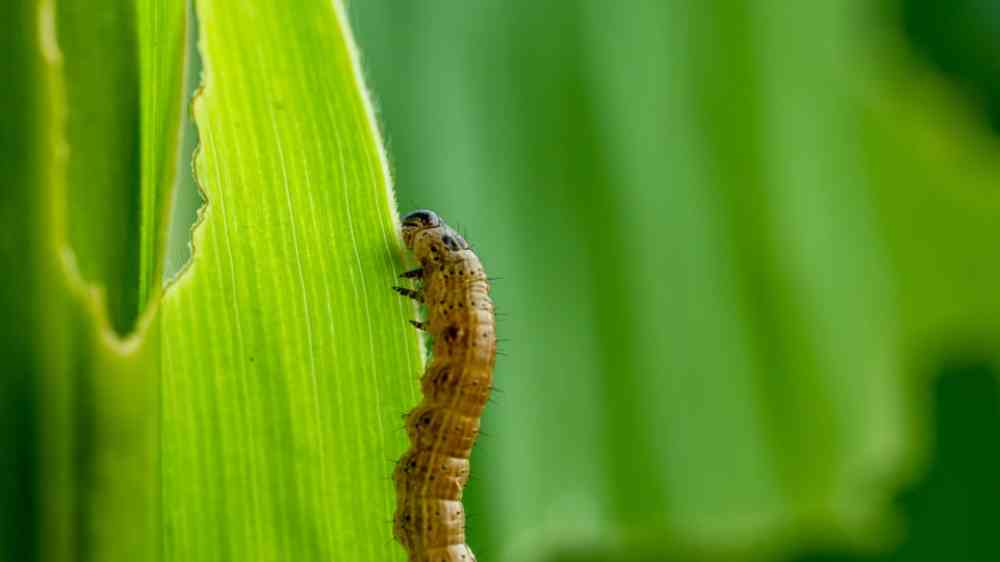
An insect pest infestation is a recently detected insect pest population, including an incursion, or a sudden significant increase of an established insect, disease agents or weed population in an area leading to damage to plants in production fields, forests or natural habitats and causing substantial damage to productivity, biodiversity or natural resources (adapted from FAO, 2019).

This planting technique reduces crop losses and improves food security.

Risk factors

Higher temperature, severe and extreme weather events and drought stress can all result in reduced vigour of trees, making them more vulnerable to outbreaks of native and introduced pests and diseases. For example, the dieback of millions of hectares of pine forests caused by outbreaks of native bark beetles in Central America, Europe and North America is associated with climate change, impacts of extreme weather events, and, in some cases, inadequate forest management practices (FAO, 2020b).

Favourable climatic conditions, disruption of ecosystems and negligence of crop/forest hygiene contribute to growth in insect populations which can cause substantial damage regularly. In many cases, long distance spread of insects results from transportation of infested goods.

Risk reduction measures

Following principles of sustainable plant production, sustainable forest management and integrated pest management practices are the best approach for control, focusing on diversified production systems, regular surveillance, preparedness before potential outbreaks, and a rapid response to prevent escalation to unmanageable scales (Guzewich et al., 1997). Post disaster needs assessment (PDNA) is designed to evaluate immediate needs for recovery and restoration for better disaster response (HIP).
Latest Insect infestation additions in the Knowledge Base

Uploaded on
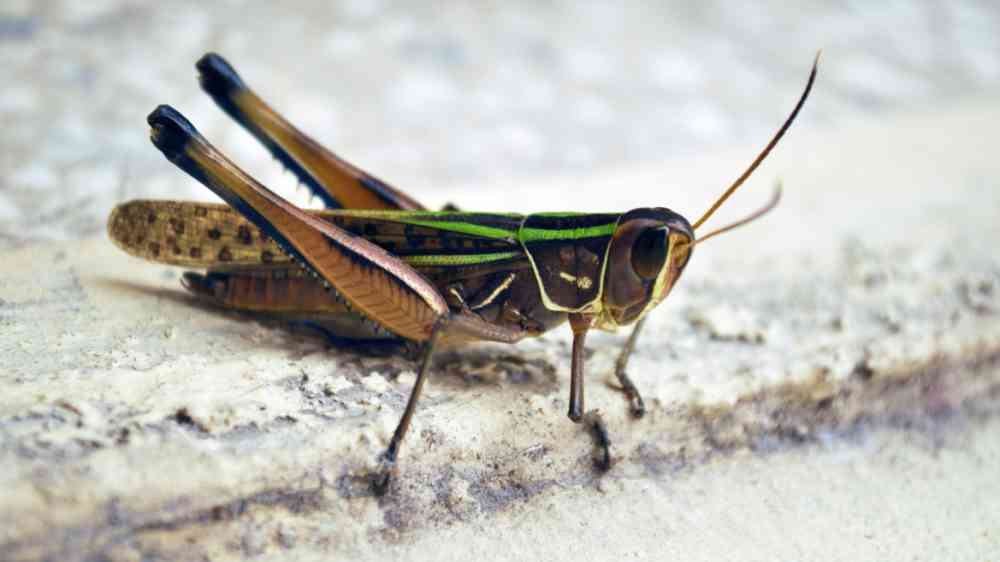
Close-up of a locust on a wooden plank
Research briefs

Scientists predict that locust outbreaks will worsen with climate change, and they suggest a way forward by integrating local communities' knowledge.

Mongabay
Update

UKHSA says there is no evidence to suggest ongoing circulation of the virus in birds or mosquitos in the UK and the risk to the general public is very low.

United Kingdom - government
Update

Continued vigilance and coordination to mitigate the impact of locust outbreaks on agriculture and food security.

Food and Agriculture Organization of the United Nations (FAO)
An African woman standing in a corn field.
Update

In collaboration with Nigeria's Institute for Agricultural Research, the International Institute of Tropical Agriculture released a medium-maturing top-cross maize hybrid that combines tolerance to fall armyworm and drought with parasite resistance.

International Institute of Tropical Agriculture
Update

Climate change is pushing pest insects and mites into new territories. Many pests are migrating from the equator to cooler regions that used to keep them at bay.

Earth.com
Corn leaf damaged by fall armyworm
Update

Fall Armyworm (FAW) is a serious insect pest in food and fibre crops, with different populations carrying varying genes for insecticide resistance. Further pest movement and gene flow could increase global resistance.

Commonwealth Scientific and Industrial Research Organisation
Update

Classical models of collective behavior fail to explain the mechanisms driving desert locust swarms

The Max Planck Society for the Advancement of Science (Max Planck Society)
Update

As Iran and Pakistan prepare for the upcoming spring locust breeding season, the Food and Agriculture Organization of the United Nations (FAO) is strengthening the capacities of Desert Locust Information Officers (DLIOs) in both countries.

Food and Agriculture Organization of the United Nations (FAO)
Uploaded on