1. Home
  2. Knowledge Base | PreventionWeb
  3. Hazards

The World Meteorological Organization guidelines on the definition and monitoring of extreme weather and climate events advise the following (WMO, 2020):

  • Index: Daily values of Tmax, Tmin, and /or average temperature. Another index could be computed using temperature change in the 24 hours prior to the onset of the event.
  • Threshold: Determined based on historical values of the index.
  • Temporal: Station-level information on starting date, ending date, and duration of the event. Persistence of conditions for a cold wave are two days.
  • Spatial: Calculate the area affected, by providing the percentage of stations where the threshold was surpassed; locate the coordinates of the impacted stations and the centre with the highest/lowest values of the indices; and optional, but recommended if resources are available, to use a geographical information system (GIS) to calculate the area affected by the event, the magnitude, and severity.

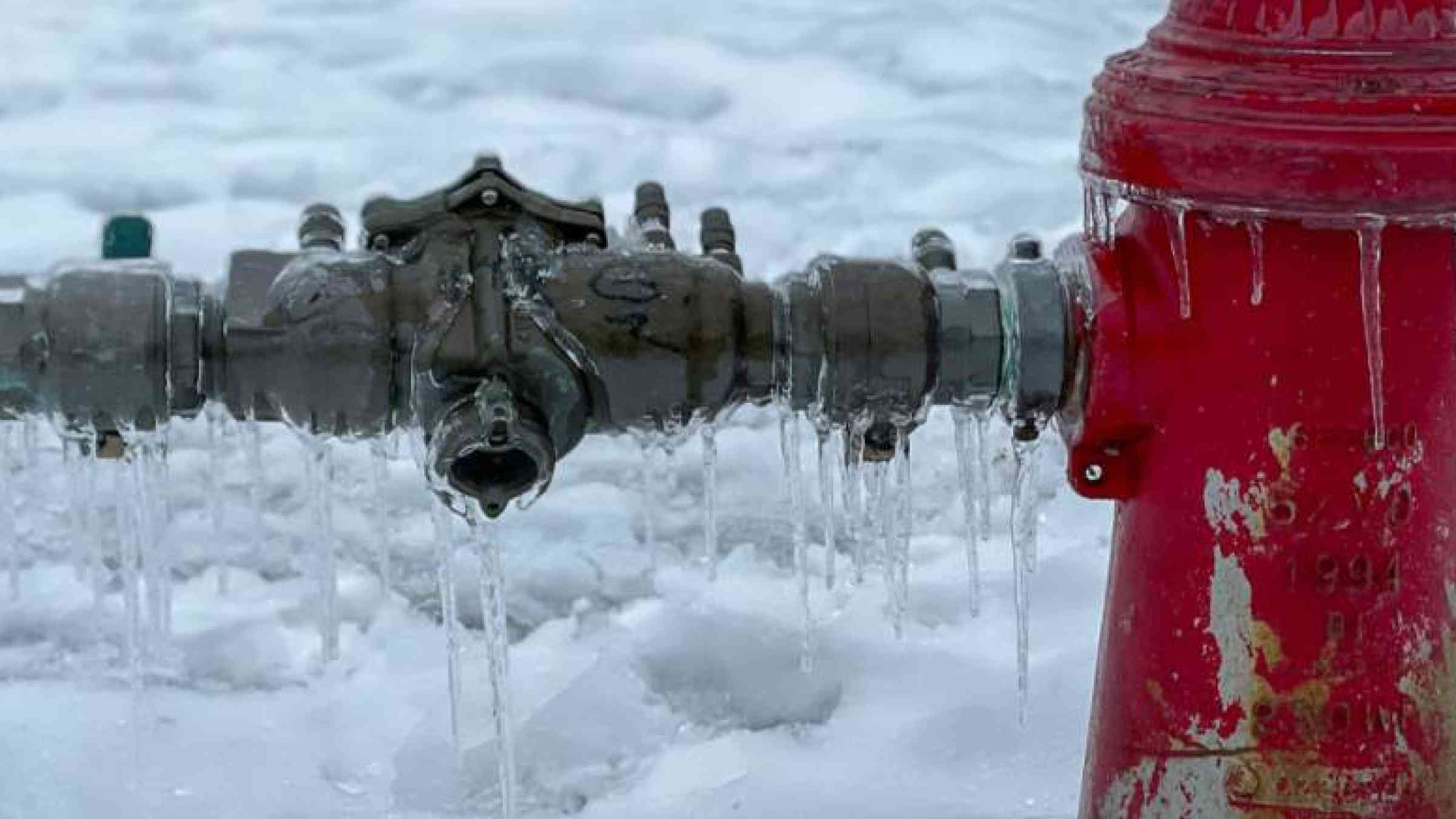
This hazard category also includes Dzud which is a cold-season disaster in which anomalous climatic (i.e., heavy snow and severe cold) and/or land-surface (snow/ ice cover and lack of pasture) conditions lead to reduced accessibility and/or availability of forage/pastures, and ultimately to high livestock mortality during winter–spring. This page also contains content on Blizzard which is a severe snow storm characterised by poor visibility, usually occurring at high-latitude and in mountainous regions.

Vulnerability

Human health impacts from cold waves include mortality from ischaemic heart disease and cerebrovascular disease, both of which increase in cold weather.

Living in a cold house can affect health at any age, not just in old age, for a variety of reasons. Although the extra deaths in elderly people are caused mainly by cardiovascular and respiratory disease, far greater numbers have minor ailments that lead to a huge burden of disease, costs to the health system, and misery.

Compared with those who live in a warmer house, respiratory problems are roughly doubled in children, arthritis and rheumatism increase, and mental health can be impaired at any age. Adolescents who live in a cold house have a five-fold increased risk of multiple health problems (Dear and McMichael, 2011).

Risk reduction measures

To reduce impacts related to cold waves, countries have used national alerting parameters for cold wave warning or cold weather plans, which help prevent major avoidable effects on health (HIP, 2021).

Latest Cold Wave additions in the Knowledge Base

Uploaded on
Research briefs

A new study reveals that the risk of suffering a heat-induced heart attack has increased significantly in recent years. But researchers did not see comparable changes in cold weather heart attack risks. The study suggests that authorities should give greater consideration to high temperatures as a trigger for heart attacks, especially in view of climate change.

Helmholtz Zentrum München (German Research Center for Environmental Health)
Research briefs

New research reveals that the risk of mortality due to extreme cold and hot temperatures is higher for Chinese rural residents than their urban counterparts. These findings counter the assumption that city dwellers are at a higher risk due to urban heat islands. The research suggests that other studies may have underestimated the impact of temperatures on fatality.

International Institute for Applied Systems Analysis
Update

The Indian Meteorological Department's weather forecasts during this winter have been consistently wrong, with cold waves lasting longer and reaching further than expected. A lack of strong Western Disturbances — extra tropical storm systems — contributed to the cold, but researchers are unsure why they were in decline in December and have peaked recently.

Down To Earth
Update

According to a new Aon report on disasters in January 2019, multiple winter storms and extreme cold led to 45 fatalities and losses over U.S. $1 billion in the United States. Excessive rainfall also yielded major damage in parts of South America, while Australia experienced severe heat and flooding.

Aon Benfield
Documents and publications

The latest catastrophe report from Aon finds that the combined cost of winter storms and extreme cold led to billion-dollar damages across the United States throughout January 2019, torrential seasonal rainfall prompted a USD 2.3 billion economic loss to

Aon Benfield
Update

A new report warns that extreme temperatures and pollution disproportionately affect the poor, the elderly and children. Lower levels of employment, income, education and housing quality can reduce individuals’ ability to respond to and avoid extreme heat, cold and environmental hazards, and thus result in negative health outcomes.

European Environment Agency
Update

In a clear sign of continuing long-term climate change associated with record atmospheric concentrations of greenhouse gases, 2015, 2016, 2017 and 2018 have been confirmed as the four warmest years on record. Global average surface temperature in 2018 was about 1.0°C above the pre-industrial baseline, and 2019 is already showing signs of continuing the trend.

World Meteorological Organization (WMO)
Documents and publications

This report assesses inequalities in the exposure to and health impacts of selected environmental health hazards (air pollution, noise and extreme temperatures) on European society and discusses how these are addressed in policy and practice.

This report

European Environment Agency
Uploaded on