This study develops a machine-learning classification framework (MLCF) to attribute the cause of wildfire ignitions as either human- or lightning-induced on a global, event-level scale.
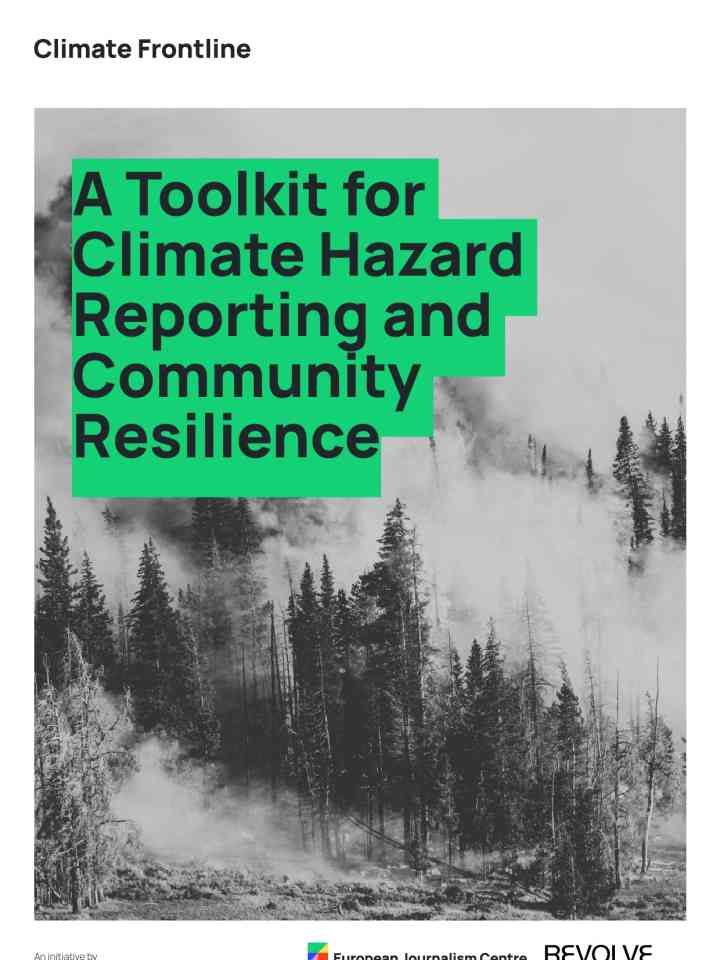
This toolkit provides practical guidance for journalists reporting on climate hazards, highlighting how preparedness, trusted information and community-centered coverage can support disaster risk reduction and resilience.
This paper presents a self-assessment tool for Community Recovery Committees in disaster-affected Australia, highlighting its usefulness in identifying governance, roles, and priorities, and recommends further testing and flexible government support.
Australian Institute for Disaster Resilience (AIDR)
This commentary examines emergency management failures exposed by the Lahaina wildfire and recommends assessing vulnerable communities, establishing 30-day emergency supply reserves and integrating the fire into Hawaiʻi’s emergency management plans.
This research report assesses emergency management reform after the Lahaina wildfire, identifying four framework failures and recommending island-specific reviews, compliance standards and response-time assessments.
This study examines 2 major events of the summer bushfires during 2019–20 and the severe floods in new south Wales in 2022, and explores the outcomes of investments and efforts into shelter provision after disasters in Australia.
Wildfires that swept through France this summer resulted in around 22,500 insurance claims, with total losses estimated at up to 563 million euros ($634 million), the federation of insurers said on Friday.
The platform combines NASA fire observations with official reports where available. Users can follow locations through email alerts, explore background articles and contribute photographs or videos for review before publication.