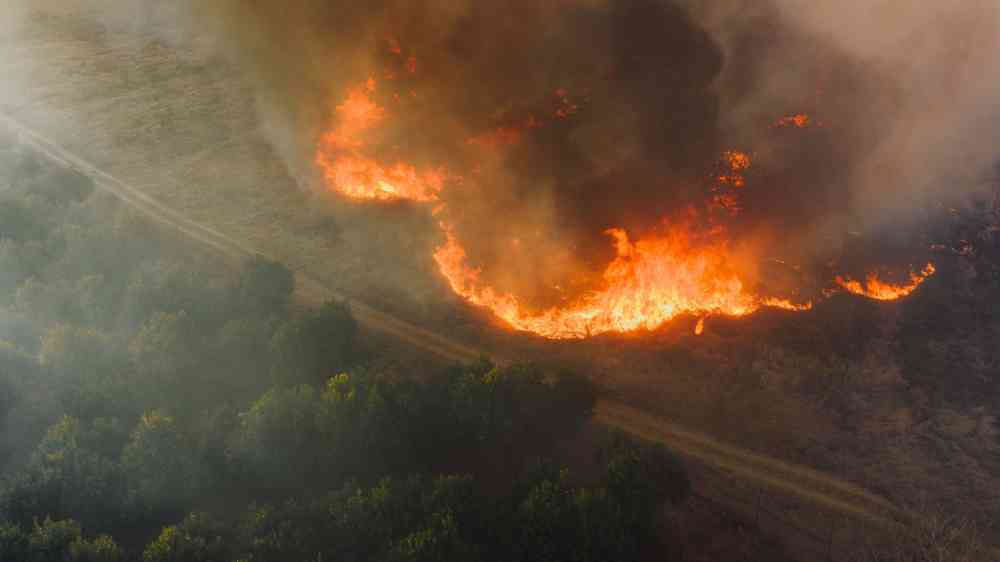
As temperatures rise and development expands, the number of homes and other structures damaged or destroyed by wildfires across the U.S. is on pace to triple by mid-century, my colleagues and I found in a study published.
This study examined how municipal informational messages shaped behavioral intentions across five emergency scenarios (wildfires, flooding, hazardous materials, extreme weather, and civil unrest) in a representative sample of 1509 adults.
Trusted community networks and local information intermediaries in Australia strengthen disaster risk reduction by improving the sharing of warnings, supporting preparedness and response, and building community resilience to floods and bushfires.
Smoky summers are now the norm in Canada. Over the past summer, wildfires burned approximately 4.5 million hectares, more than 33,750 people were evacuated and millions were exposed to hazardous air pollutants.
Rumors and conspiracies are spreading too fast for emergency managers to keep up. This information chaos is slowing disaster relief and putting lives at risk.
Right now, people in parts of Indonesia are inhaling what may be the most polluted atmosphere on Earth. As the historically large 2026 El Niño intensifies, parts of south east Asia have been plunged into an air quality crisis of catastrophic proportions.
This study develops a machine-learning classification framework (MLCF) to attribute the cause of wildfire ignitions as either human- or lightning-induced on a global, event-level scale.