This report assesses greenhouse gas emissions, climate hazards and policies across OECD and partner countries, finding emissions rising globally, many countries off track on NDCs, and calling for faster mitigation and stronger adaptation.
Organisation for Economic Co-operation and Development
Building on long-standing hypotheses of a hurricane-fire interaction, this study assesses empirical evidence for hurricane-driven increases in wildfire activity along the Gulf Coast of the United States.
As temperatures rise and development expands, the number of homes and other structures damaged or destroyed by wildfires across the U.S. is on pace to triple by mid-century, my colleagues and I found in a study published.
This study examined how municipal informational messages shaped behavioral intentions across five emergency scenarios (wildfires, flooding, hazardous materials, extreme weather, and civil unrest) in a representative sample of 1509 adults.
Trusted community networks and local information intermediaries in Australia strengthen disaster risk reduction by improving the sharing of warnings, supporting preparedness and response, and building community resilience to floods and bushfires.
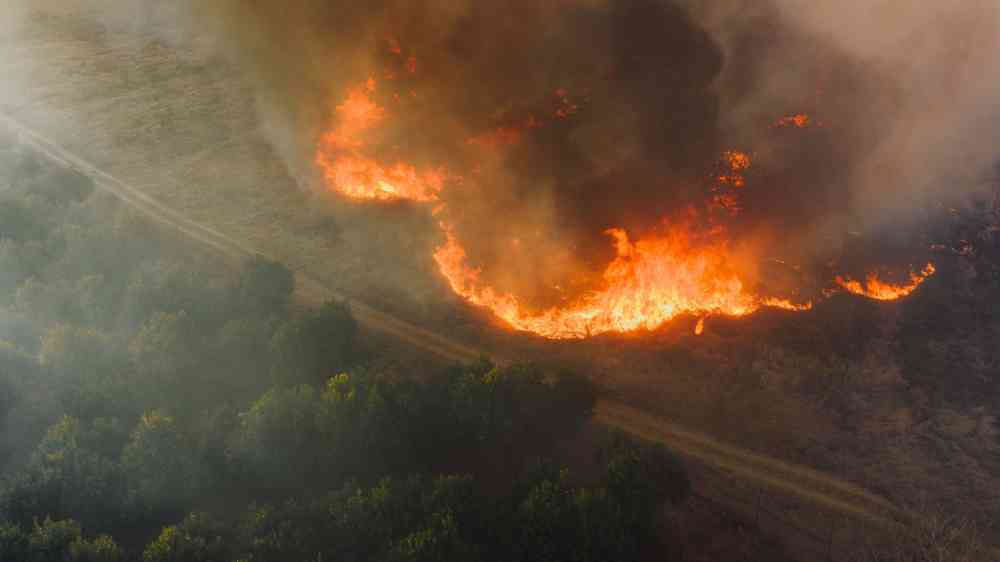
Smoky summers are now the norm in Canada. Over the past summer, wildfires burned approximately 4.5 million hectares, more than 33,750 people were evacuated and millions were exposed to hazardous air pollutants.
Rumors and conspiracies are spreading too fast for emergency managers to keep up. This information chaos is slowing disaster relief and putting lives at risk.