1. Home
  2. Hubs: tools and knowledge
  3. Wildfire Portal

Food security and agriculture

Wildfires can have significant impacts on food security and agriculture by damaging crops, livestock, forests and agricultural infrastructure.

Beyond immediate losses, fires can disrupt food production, affect livelihoods, degrade ecosystems and increase pressure on already vulnerable communities. Explore the latest research, insights and resources on how wildfires affect food systems and agriculture, and the measures needed to reduce risks, strengthen resilience and support recovery.
Uploaded on
Update

Farming losses amounted to about 8 percent of agricultural GDP. Associate Professor Tina Bell and Chuan Huang from the School of Life and Environmental Sciences call on more support for farmers to protect their land and livelihoods.

University of Sydney
Cover and title of publication
Documents and publications

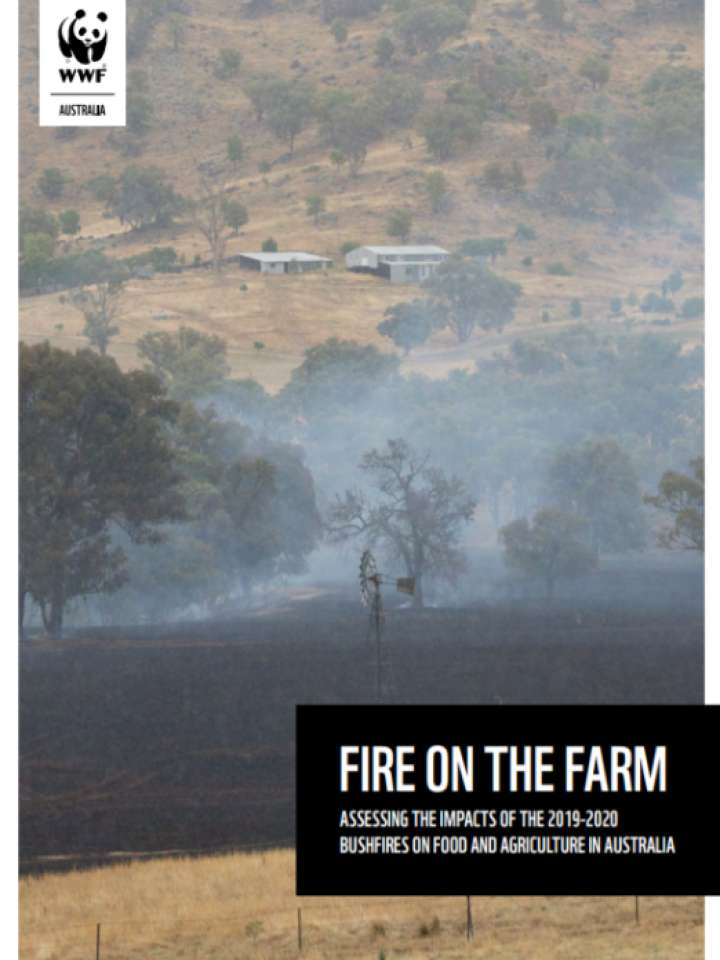
This report provides a review and synthesis of the economic impacts of the 2019-2020 Australian bushfires on agriculture and the wider food system.

World Wide Fund For Nature
Cover and title of publication
Documents and publications

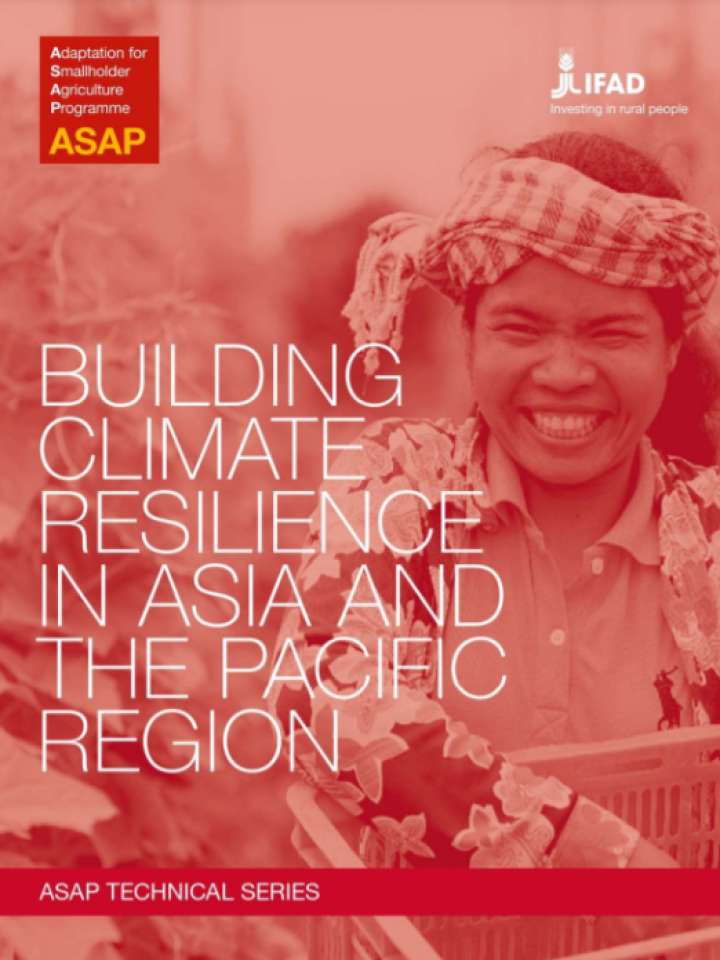
This study examines six projects under the International Fund for Agricultural Development's (IFAD) Adaptation for Smallholder Agriculture Program (ASAP).

International Fund for Agricultural Development (IFAD)
Cover and title of publication
Documents and publications

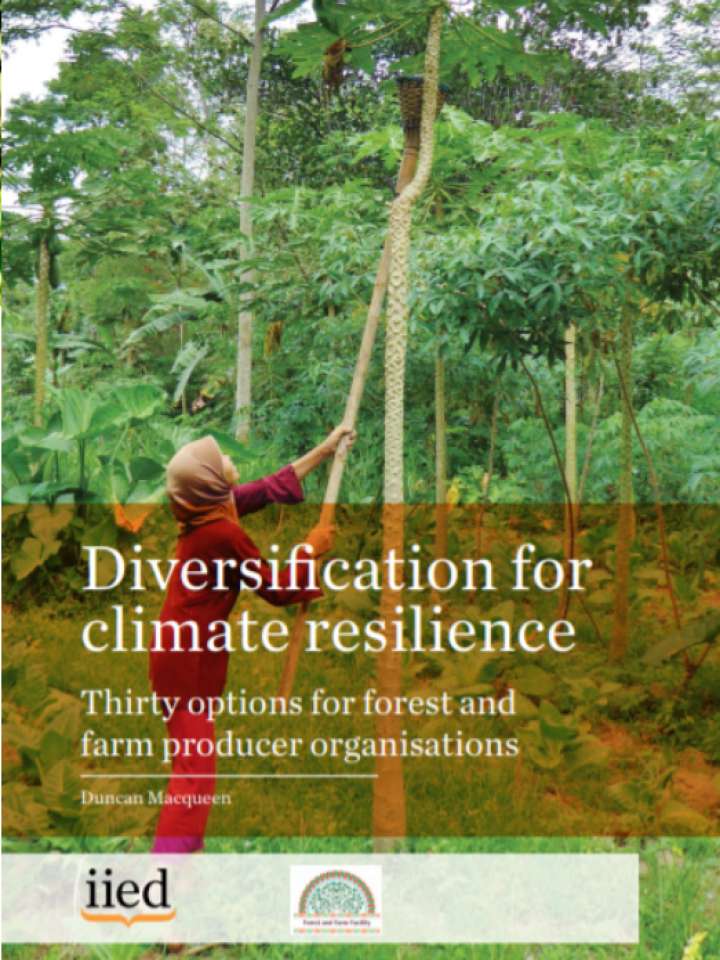
The scale of expected impact faced by forest and farm producers from various climate-related risks is truly frightening. Building climate resilience requires interrelated processes of risk assessment followed by adaptive resilience responses.

International Institute for Environment and Development (IIED)
Update

Dire forecasts of lower rainfall, higher temperatures and more frequent droughts mean Greece faces peril ahead.

Al Jazeera Satellite Network
Update

2021 must be the year for climate action – “the make it or break it year,” said United Nations Secretary-General António Guterres.

World Meteorological Organization (WMO)
Documents and publications

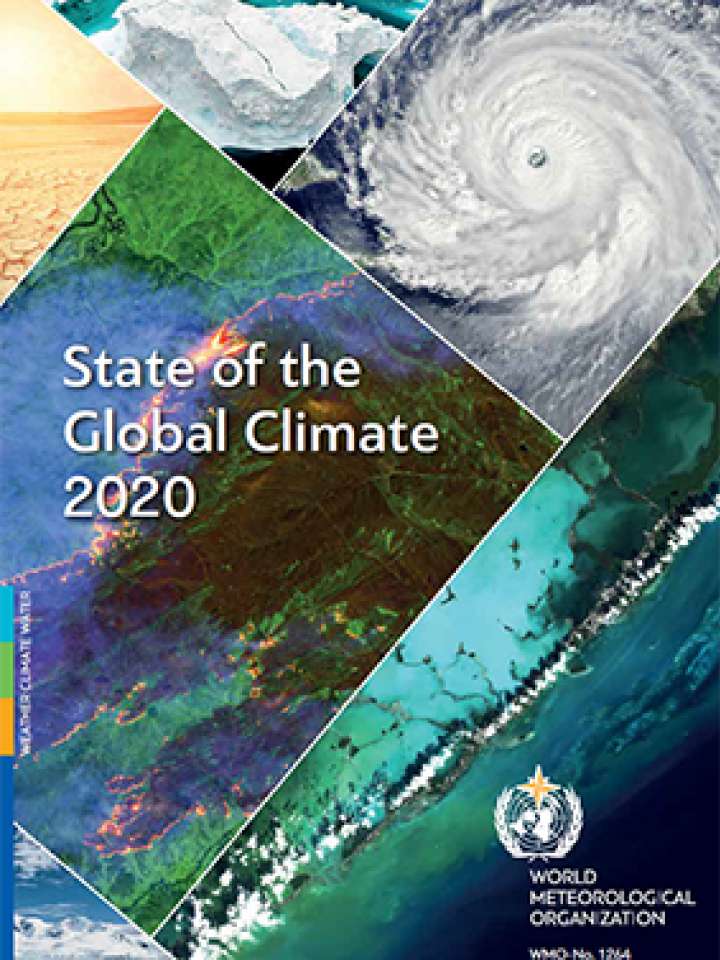
This report also demonstrates the impact of this warming, both on the planet’s ecosystems and on individuals and communities, through superstorms, flooding, heatwaves, droughts and wildfires.

World Meteorological Organization (WMO)
Update

Australia’s average surface temperature has warmed by 1.4℃, and its open ocean areas have warmed by 1℃.

Conversation Media Group, the
Uploaded on