1. Home
  2. Hubs: tools and knowledge
  3. Wildfire Portal

Food security and agriculture

Wildfires can have significant impacts on food security and agriculture by damaging crops, livestock, forests and agricultural infrastructure.

Beyond immediate losses, fires can disrupt food production, affect livelihoods, degrade ecosystems and increase pressure on already vulnerable communities. Explore the latest research, insights and resources on how wildfires affect food systems and agriculture, and the measures needed to reduce risks, strengthen resilience and support recovery.
Uploaded on
Documents and publications

Forest fires exacerbate carbon emissions, threaten biodiversity and cause welfare losses to local populations. Most fires accidentally ignite from mismanaged swidden and pasture fires. This study provides evidence that fire risk in the Brazilian Amazon

Global Environmental Change: Human and Policy Dimensions
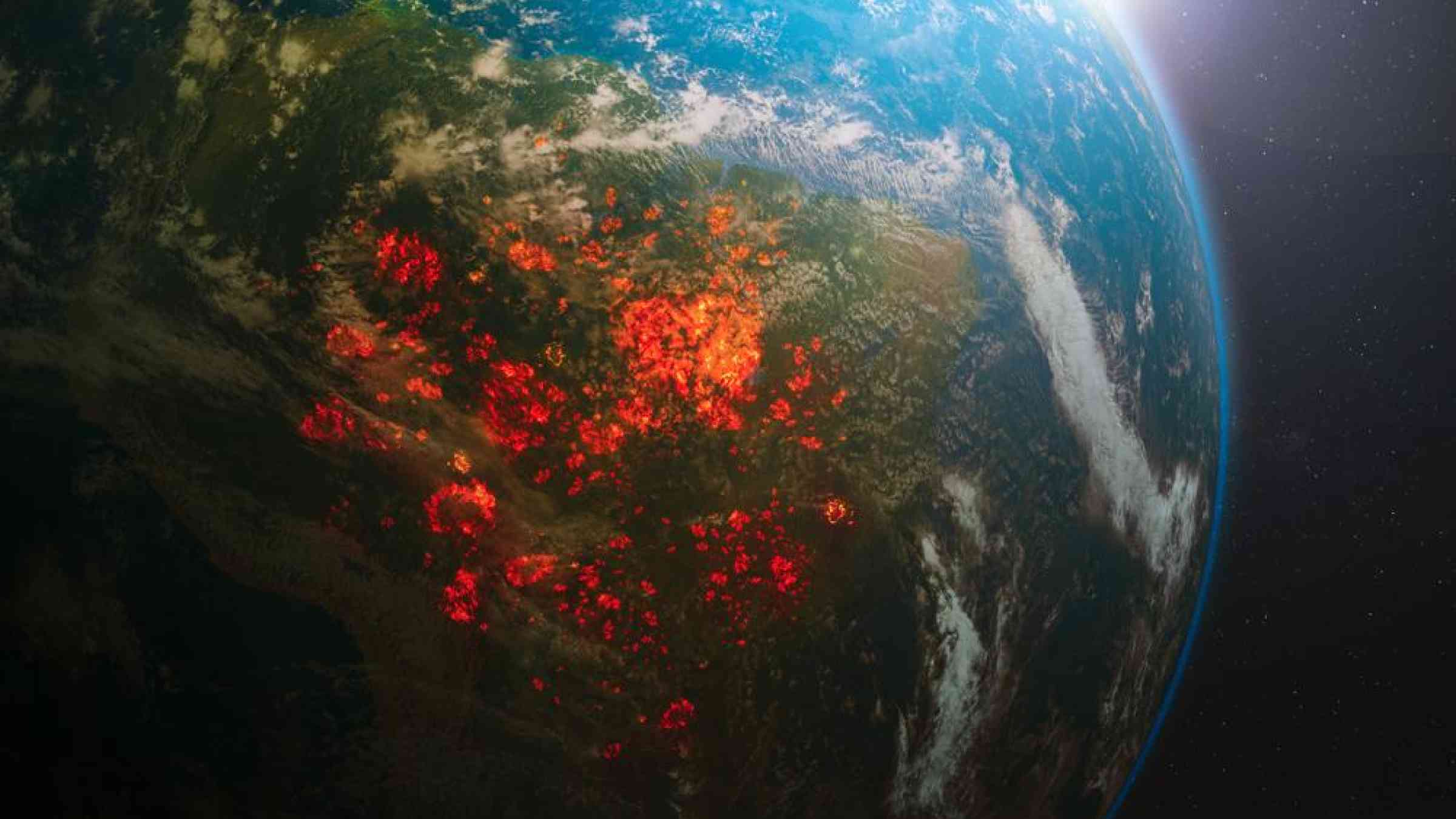
By OSORIOartist| shutterstock.com
Update

Fires that burn the forest also hit crops and pastures. But farmers in the eastern Amazon are left with few good options.

Conversation Media Group, the
Update

Fires, combined with agricultural development, have reduced Mozambique’s forest cover by 11% from 2001 to 2018. Land rights could help battle the blazes.

Thomson Reuters Foundation, trust.org
Update

Livestock clear forage that accelerates wildfires, and so can be used to reduce hazardous fuels from overstocked forests in California to lower fire risk.

California Ag Today
Documents and publications

The UN Climate Action Summit 2019 Science Advisory Group called for this High Level Synthesis Report, to assemble the key scientific findings of recent work undertaken by major partner organizations in the domain of global climate change research

Intergovernmental Panel on Climate Change (IPCC)
United Nations Environment Programme (UNEP)
World Meteorological Organization (WMO)
Global Framework for Climate Services
Future Earth
Documents and publications

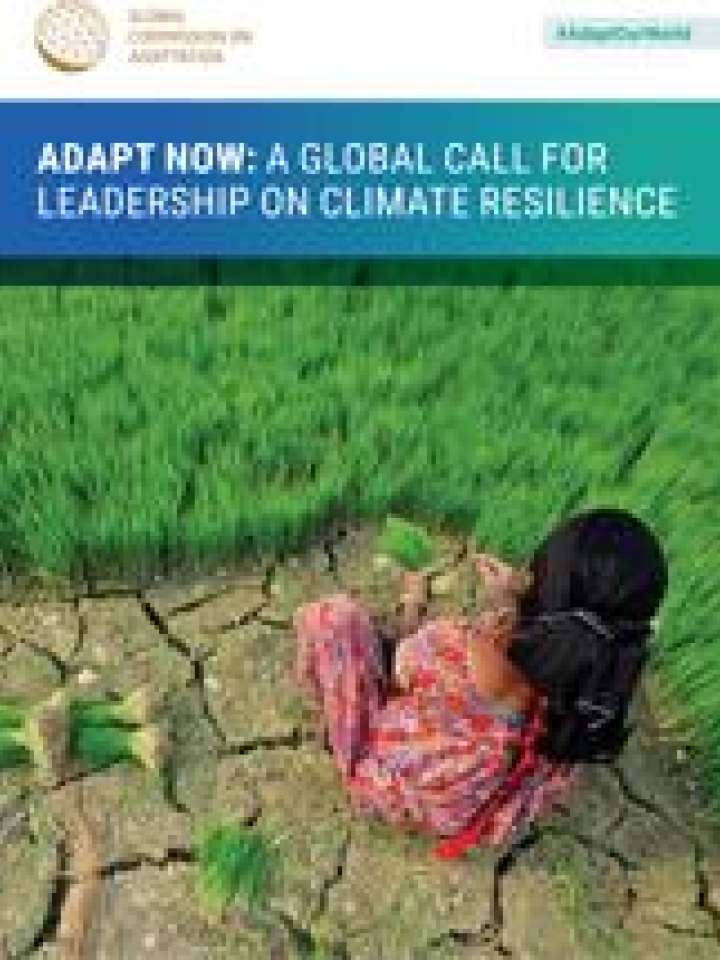
The report specifically finds that investing $1.8 trillion globally in five areas from 2020 to 2030 could generate $7.1 trillion in total net benefits.

Global Center on Adaptation
Research briefs

A new study finds that climate extremes, such as droughts or heat waves, can lead to harvest failures and consequently threaten the livelihoods of farmers and food security of communities worldwide. Improving our understanding of their impacts on crop yields is crucial to increase the resilience of the global food system.

University of Melbourne
Update

Given that Australia’s high rates of forest loss and weakened land clearing laws are increasing bushfire risk, more than 300 scientists and practitioners have signed a declaration calling for governments to restore, or better strengthen, regulations to protect native vegetation. Better regulations will also help farmers by reducing environmental risks.

Conversation Media Group, the
Uploaded on