1. Home
  2. Hubs: tools and knowledge
  3. Wildfire Portal

Early warning

Early warning systems are essential for reducing the impacts of wildfires by enabling timely action and helping communities prepare, respond and protect lives and livelihoods.

By combining fire monitoring, risk information, forecasting, communication and community preparedness, effective early warning can support faster decision-making and safer evacuations. Explore the latest research, insights and resources on wildfire early warning systems and the measures needed to strengthen preparedness and resilience.
Uploaded on
Research briefs

Scientists have developed a way to forecast which of the Great Basin's more than 60 million acres have the highest probability of a large rangeland fire.

United States Department of Agriculture
Update

As climate change leads to larger and more frequent wildfires, researchers at the Department of Energy’s Oak Ridge National Laboratory are using sensors, drones and machine learning to both prevent fires and reduce their damage to the electric grid.

Oak Ridge National Laboratory
Update

After years of massive wildfires, it’s become evident that these blazes do more than burn their surroundings — they’re also influencing weather.

Capital Public Radio, Inc.
Research briefs

Simulations could become an early warning system for people living in high-risk areas.

Northwestern University
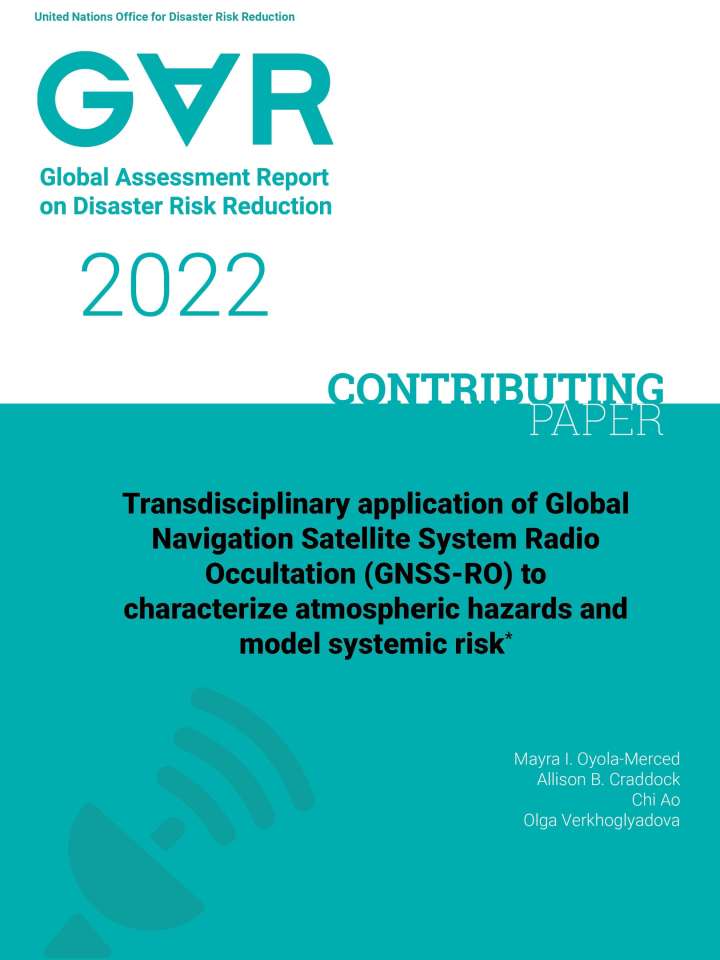
Cover and title of publication
Documents and publications

This contributing paper takes a look at the use of radio occultation to infer temperature and improve modeling for wildfire risk. 

United Nations Office for Disaster Risk Reduction (UNDRR)
Emergency flash flood alert after heavy downpour displayed on smartphone.
Research briefs

It's hard to get heard on social media, even when the message is a warning from the National Weather Service about excessive heat. New research explores strategies for better dissemination of weather-emergency messaging.

Utah State University
Update

The Noosa Council has deployed a series of advanced sensor stations across the shire to collect data for use in bushfire prediction systems.

Queensland Government
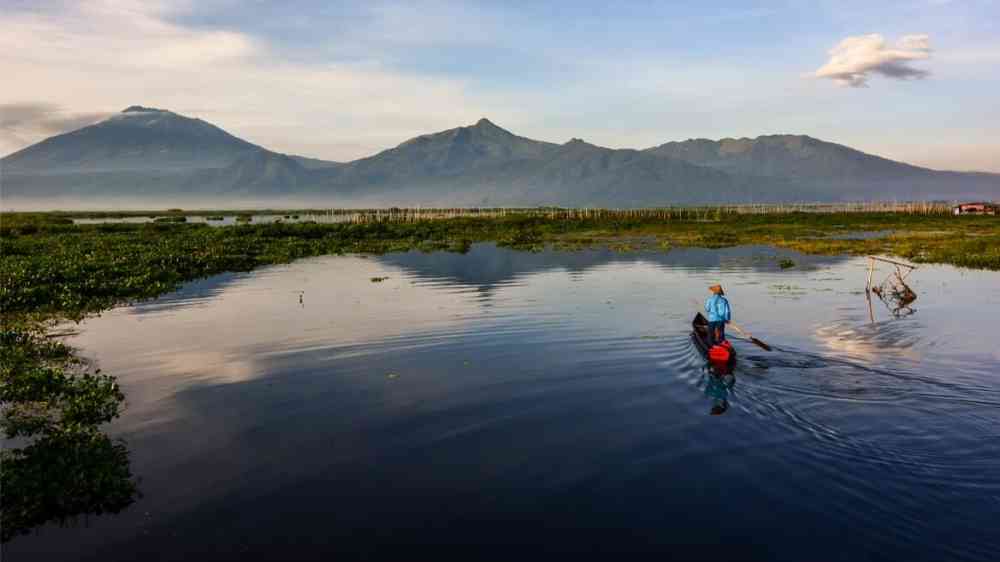
A villager crosses peat-rich Lake Rawa Pening by boat in Indonesia
Research briefs

Plans to restore Indonesian peatlands are a cost-effective strategy for reducing the impacts of peatland fires to the environment, climate and human health, says a new study.

University of Leeds
Uploaded on