1. Home
  2. Hubs: tools and knowledge
  3. Wildfire Portal

Early warning

Early warning systems are essential for reducing the impacts of wildfires by enabling timely action and helping communities prepare, respond and protect lives and livelihoods.

By combining fire monitoring, risk information, forecasting, communication and community preparedness, effective early warning can support faster decision-making and safer evacuations. Explore the latest research, insights and resources on wildfire early warning systems and the measures needed to strengthen preparedness and resilience.

Uploaded on
Update

By harnessing the power of AI, they have the opportunity to revolutionize the firefighting strategies by analyzing vast amounts of data, predicting fire behavior, and providing real-time insights to firefighters on the ground.

University of California, San Diego
Smoke from Canadian wildfires is spreading south throughout the Northeast causing unhealthy air quality issues in New York.
Update

Wildfire smoke from Canada’s extreme fire season has left a lot of people thinking about air quality and wondering what to expect in the days ahead.

Conversation Media Group, the
Update

Wildfires have shaped the environment for millennia, but they are increasing in frequency, range and intensity in response to a hotter climate.

PhysOrg, Omicron Technology Ltd
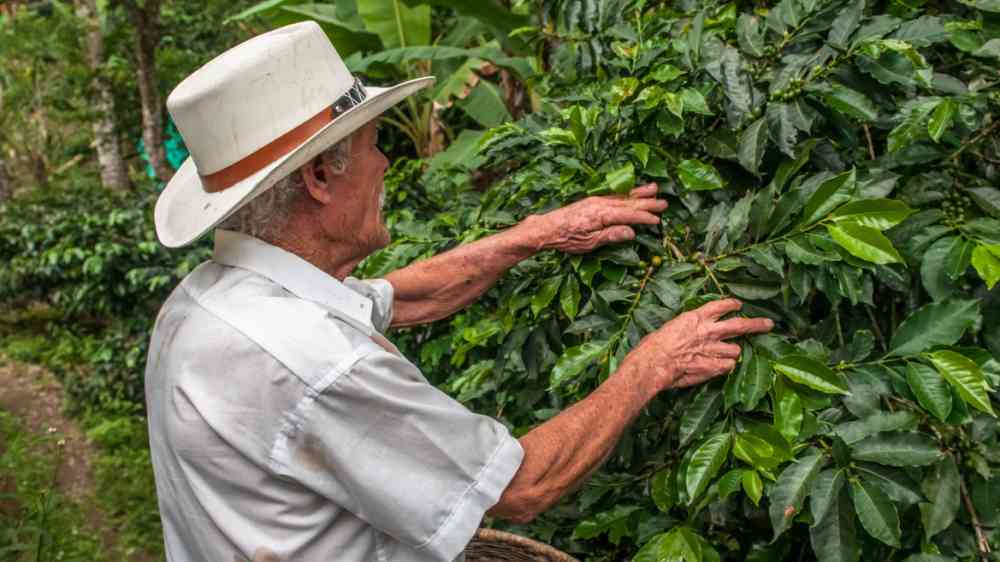
Old farmer harvesting coffee beans in Colombia
Update

Medellín alerts citizens to floods, landslides, fires, lightning, and poor air quality.

Eos - AGU
Update

As bushfires become increasingly ferocious in Australia, aggravated by climate change, major fire and research bodies from across the country are turning to a well-known piece of technology that they say could be a "life-saving" tool in fire management.

ABC News
Photograph of a mobile phone with cyclone moving towards the coast shown. The background is yellow with warning sign.
Research briefs

At 3pm on April 23, a warning sound was emitted from millions of phones across the UK. This was the first test of the government’s national emergency alert system, which will eventually be used to warn people about nearby flooding, fires and other hazards

Conversation Media Group, the
Update

October to April is the peak period for extreme weather in Australia, with higher risk of flooding, tropical cyclones, bushfires, and severe thunderstorms. The latest outlook indicates a potentially wet and windy summer for 2022-23.

Risk Management Solutions
Bushfire, Australia
Update

Climate change is driving a worldwide increase in extreme events, and the risks of disasters are rising in Australia. This article offers four examples of potential solutions to stop bushfires, storms and floods in their tracks.

Conversation Media Group, the
Uploaded on