Research briefs

Keep up to date with the latest research on disaster risk and resilience on the PreventionWeb knowledge base.

Explore cutting-edge research on disaster risk reduction and resilience through PreventionWeb's dedicated research briefs section. Our platform curates and highlights the most recent academic studies, providing valuable insights into disaster risk management. Each research brief distills key findings from peer-reviewed journals and academic publications.

Submit a research brief.

These briefs are designed to keep you informed about the latest scientific advances. Links to the full publications are always included, ensuring easy access to in-depth knowledge. Please note that this section exclusively features academic research, distinct from reports by international organizations or Non-Governmental Organisations.
Uploaded on
Research briefs

Stronger El Niño events are more likely when springtime surface waters in the western Pacific Ocean become unusually salty, a study in Geophysical Research Letters suggests.

PhysOrg, Omicron Technology Ltd
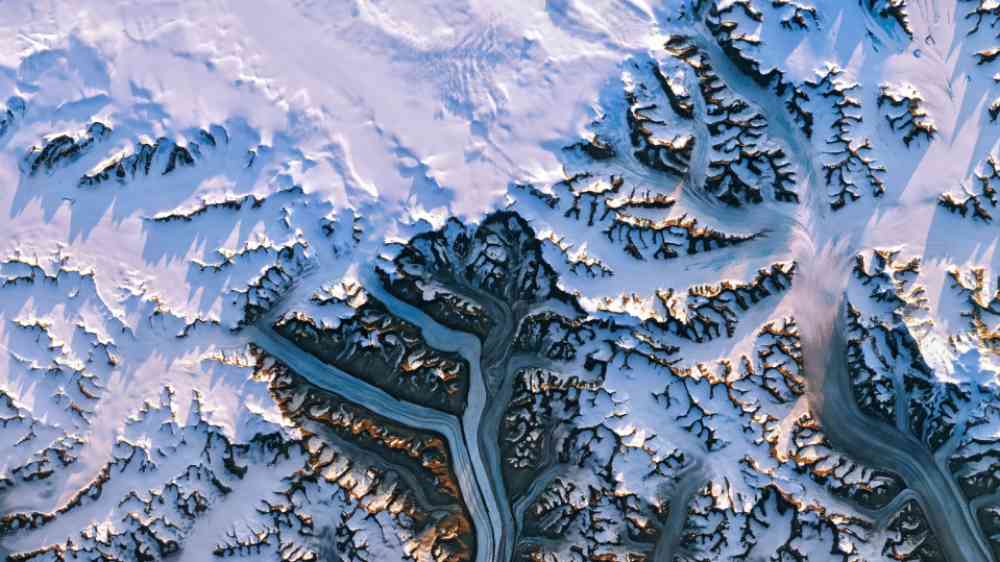
Aerial picture of Greenland ice
Research briefs

Even as global warming causes sea levels to rise worldwide, sea levels around Greenland will likely drop, according to a new paper in Nature Communications.

Columbia Climate School
Research briefs

As coral reefs break down, they get shorter and flatter, leaving less friction to slow incoming waves. Bigger waves can reach further inland, swamping more homes and businesses.

PhysOrg, Omicron Technology Ltd
Research briefs

Study shows that recent decades stand out sharply in the historical record, marked by an escalation of both extreme rainfall events and prolonged dry spells as the climate warms.

PhysOrg, Omicron Technology Ltd
Research briefs

A new study of climate extremes since 1988 finds that many regions have seen increases in deaths due to floods, storms and extreme temperatures.

PhysOrg, Omicron Technology Ltd
Research briefs

Researchers thought that an October 1843 earthquake on the small Greek island of Chalke caused a powerful tsunami and led to the deaths of as many as 600 people. A new analysis of primary accounts of the event suggests the truth was much less destructive.

Seismological Society of America
Outback mining town in North of Western Australia
Research briefs

From 5–10 January, 2026, south-eastern Australia experienced its most severe heatwave since 2019–20. Temperatures exceeded 40°C in major cities including Melbourne and Sydney, with even hotter conditions across regional Victoria and New South Wale.

World Weather Attribution
Research briefs

A new study has found that sea levels around the Canary Islands have been rising faster over time, closely following global trends.

The Cool Down