Research briefs

Keep up to date with the latest research on disaster risk and resilience on the PreventionWeb knowledge base.

Explore cutting-edge research on disaster risk reduction and resilience through PreventionWeb's dedicated research briefs section. Our platform curates and highlights the most recent academic studies, providing valuable insights into disaster risk management. Each research brief distills key findings from peer-reviewed journals and academic publications.

Submit a research brief.

These briefs are designed to keep you informed about the latest scientific advances. Links to the full publications are always included, ensuring easy access to in-depth knowledge. Please note that this section exclusively features academic research, distinct from reports by international organizations or Non-Governmental Organisations.

Uploaded on
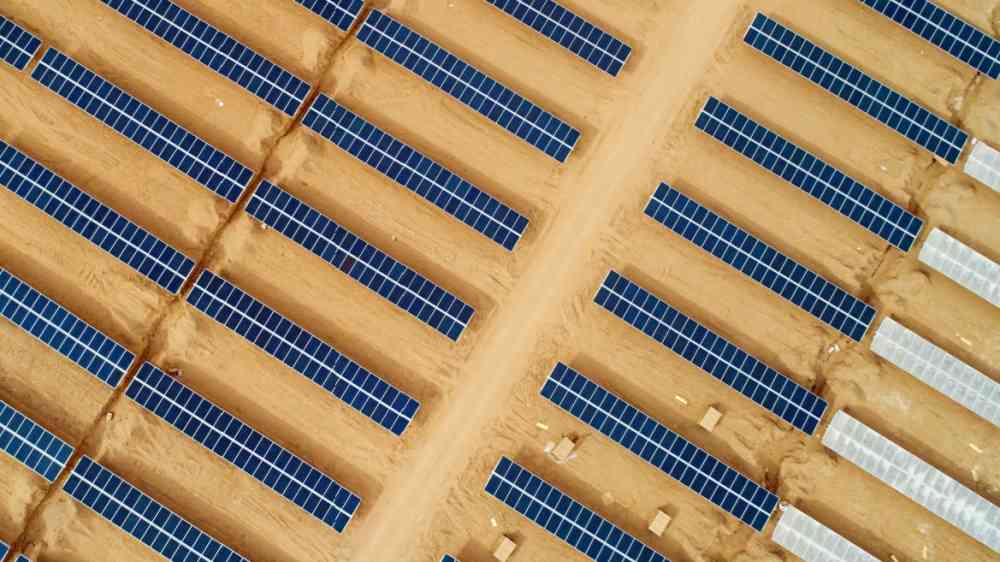
Aerial photography of solar photovoltaic bases in desert areas
Research briefs

An increasingly important question is what impact will climate change have on weather-induced inconsistencies in solar generation?

Conversation Media Group, the
Research briefs

When fire activity begins to surpass anything experienced in thousands of years – as research suggests is happening in the Southern Rockies – what will happen to the forests?

Conversation Media Group, the
Research briefs

In a new study published in The Seismic Record, researchers show how unused telecommunications fiber optic cable can be transformed for offshore EEW.

Seismological Society of America
A traffic officer drinks water during a hot day in Kolkata, India
Research briefs

"Understanding and Attribution of Extreme Heat and Drought Events in 2022: Current Situation and Future Challenges" examines extreme weather events from a global perspective, shedding light on the causes and implications of these phenomena.

Chinese Academy of Sciences
Colorful houses in the favela of Rio de Janeiro in Brazil.
Research briefs

PLOS highlights recent studies published in PLOS ONE including one on an informal settlement in northwestern Colombia and a paper looking at how heat waves affect visitors to the Grand Canyon National Park. The authors give PLOS insights on their work.

Public Library of Science
Research briefs

Despite steps toward decreasing deforestation, uncontrolled wildfires are threatening environmental gains in Brazilian Amazonia, one of the world’s most critical carbon sinks and a region of high biological and cultural diversity.

University of East Anglia
Research briefs

In a new study published in the journal Science Advances, scientists tracked the life of these gases in a home exposed to wildfire smoke. They also found that the best way to get rid of the risk is among the simplest: start cleaning.

Conversation Media Group, the
Research briefs

A new study by researchers at the Department of Energy’s Oak Ridge National Laboratory looks at some of the influences that could be driving the increasingly severe weather over Pakistan.

Oak Ridge National Laboratory