Research briefs

Keep up to date with the latest research on disaster risk and resilience on the PreventionWeb knowledge base.

Explore cutting-edge research on disaster risk reduction and resilience through PreventionWeb's dedicated research briefs section. Our platform curates and highlights the most recent academic studies, providing valuable insights into disaster risk management. Each research brief distills key findings from peer-reviewed journals and academic publications.

Submit a research brief.

These briefs are designed to keep you informed about the latest scientific advances. Links to the full publications are always included, ensuring easy access to in-depth knowledge. Please note that this section exclusively features academic research, distinct from reports by international organizations or Non-Governmental Organisations.

Uploaded on
Research briefs

Food shortages caused by extreme weather could lead to civil unrest in the UK, according to a new study which has surveyed some of the country’s leading food experts.

University of York
A blazing wildfire starts to encroach on residential areas in Braga, Portugal
Research briefs

Researchers dug into data to examine the effects of wildfires, pollutants, and meteorological factors on mortality and cardiovascular health in the Iberian country.

Eos - AGU
Research briefs

Understanding how hailstorm frequency has changed over time can help us build resilience against future hail events.

University of New South Wales
An old packhorse bridge strides a drought-stricken river in West Yorkshire, England
Research briefs

Lack of rainfall is not the only measure of drought. New UC Riverside research shows that despite a series of storms, the impact of drought can persist in streams and rivers for up to 3.5 years.

University of California, Riverside
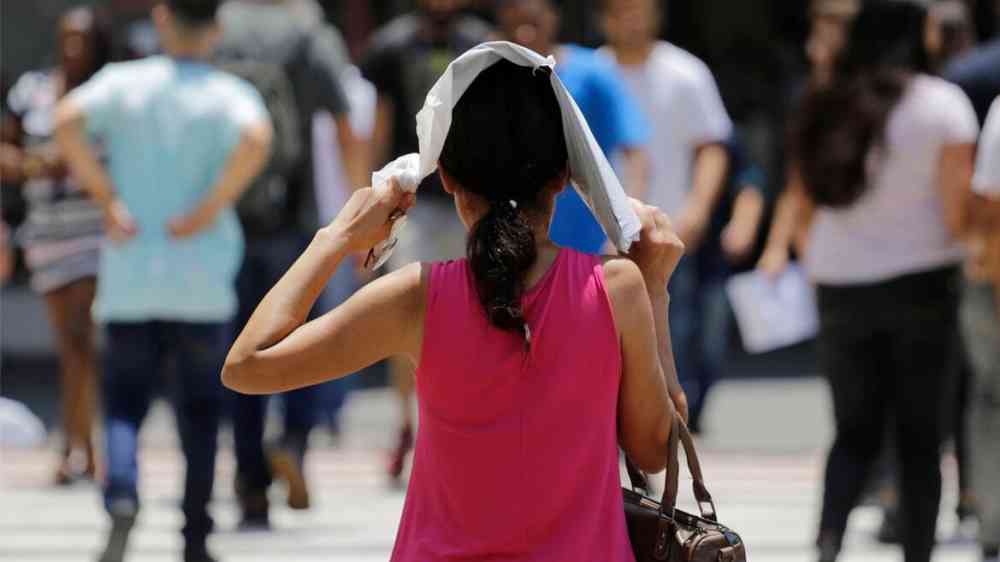
A woman protects herself from the hot sun in Sao Paulo, Brazil.
Research briefs

Large parts of South America suffered from extremely high temperatures for an extended period of time, reaching above 40ºC in central and Northern Brazil during mid-September, despite it being the spring season.

World Weather Attribution
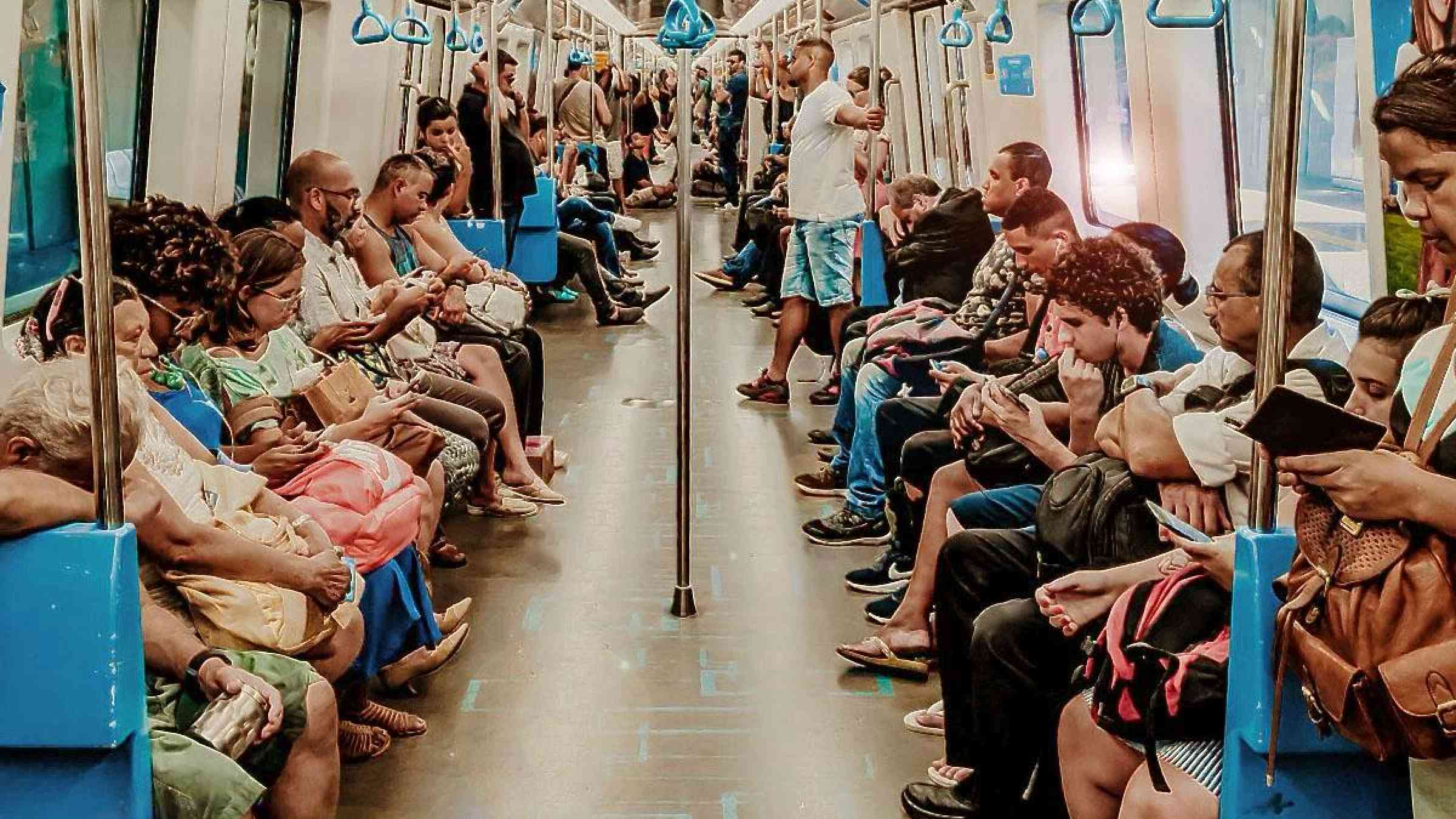
Hot commuters in subway carriage
Research briefs

Extreme heat amplifies social inequalities when it comes to subway usage and mobility in big cities. Researchers found that, especially in New York's low-income areas, subway users had few possibilities to adapt to and mitigate heat by reducing mobility.

Potsdam Institute for Climate Impact Research
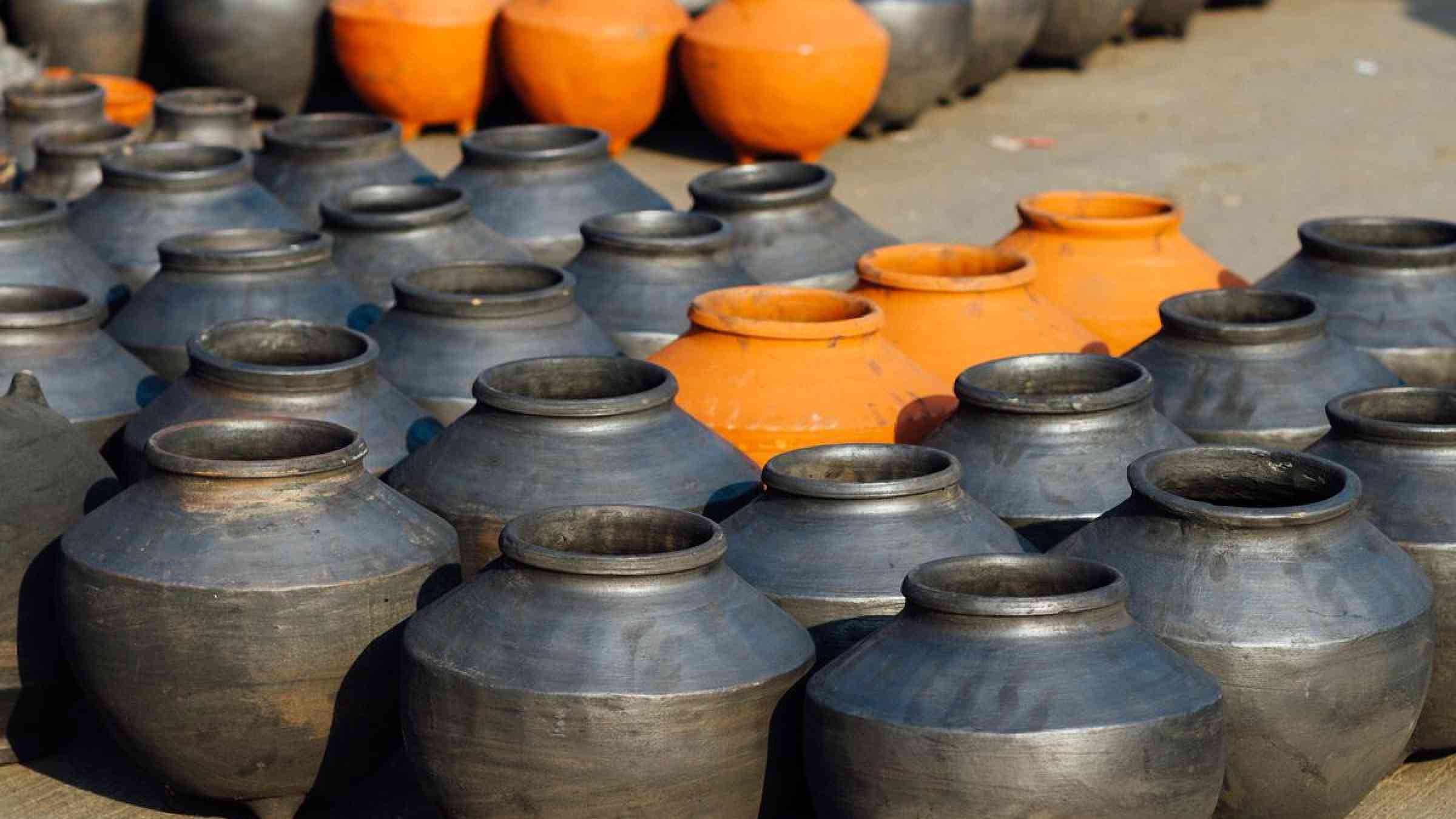
Pottery water jars, Maharashta, India
Research briefs

Increased demand for water due to global population growth, coupled with the increasing frequency of extreme weather events, endangers our water security.

Utrecht University
Research briefs

New climate-simulation models may save tens of thousands of lives.

National Science Foundation (NSF)