Research briefs

Keep up to date with the latest research on disaster risk and resilience on the PreventionWeb knowledge base.

Explore cutting-edge research on disaster risk reduction and resilience through PreventionWeb's dedicated research briefs section. Our platform curates and highlights the most recent academic studies, providing valuable insights into disaster risk management. Each research brief distills key findings from peer-reviewed journals and academic publications.

Submit a research brief.

These briefs are designed to keep you informed about the latest scientific advances. Links to the full publications are always included, ensuring easy access to in-depth knowledge. Please note that this section exclusively features academic research, distinct from reports by international organizations or Non-Governmental Organisations.

Uploaded on
Panorama of the dam and surrounding landscape at Katse Dam in Lesotho in summer with low water level on a clear sunny day
Research briefs

New research outlines the best locations for dams to avoid flash floods and to save lives.

Brunel University London
Research briefs

Two decades’ worth of satellite data suggest that the rainfall rates of tropical cyclones might be decreasing relative to background levels.

Eos - AGU
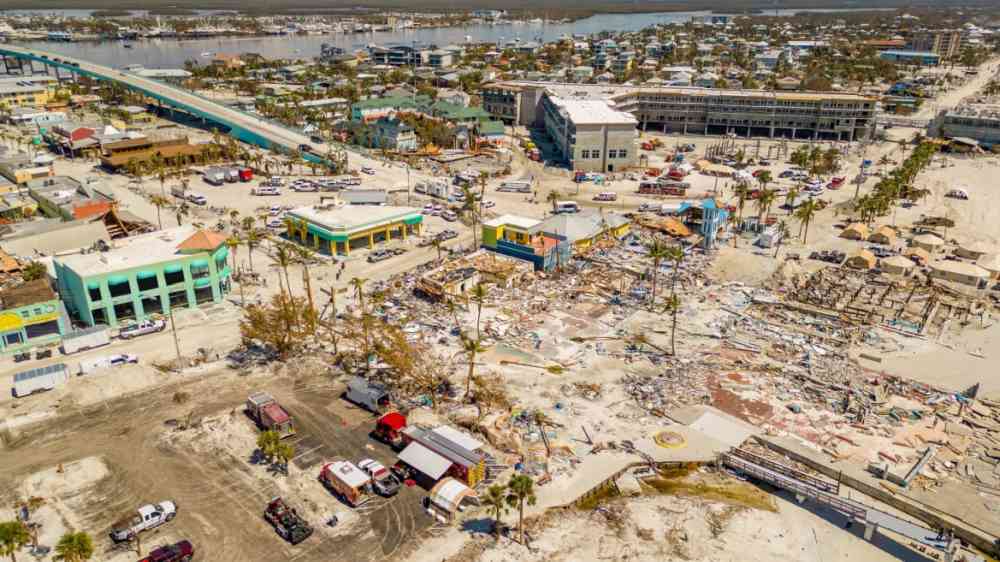
Destructed coast by Hurricane Ian which hit the USA in September 2022.
Research briefs

Atlantic hurricanes may now be more than twice as likely to strengthen from a weak Category 1 hurricane to a major Category 3 or stronger hurricane in a 24-hour period than they were between 1970 and 1990

Nature Publishing Group
PhysOrg, Omicron Technology Ltd
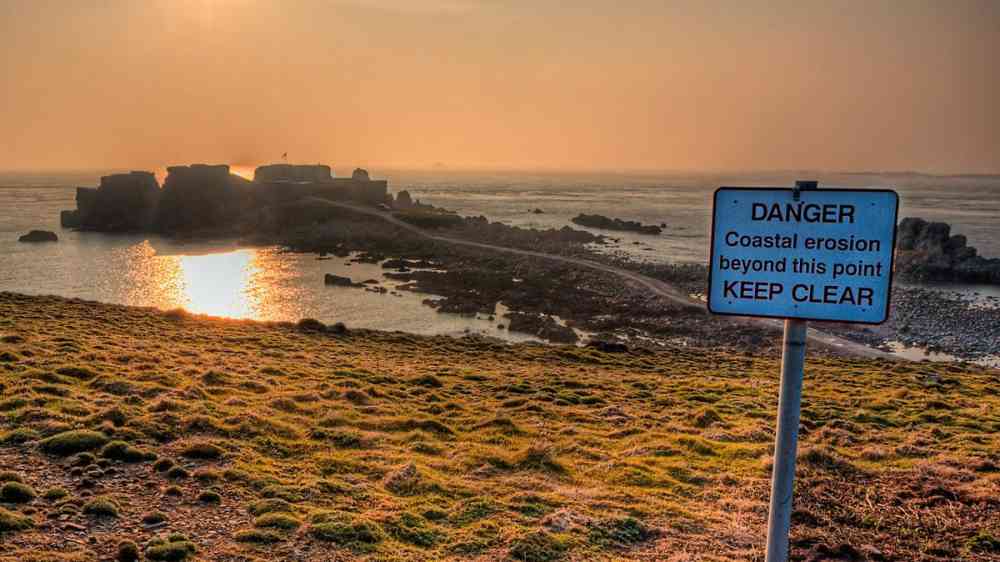
Coastline with a sign warning about the danger of coastal erosion
Research briefs

A new study finds that global coastal adaptations are ‘incremental in scale’, short-sighted and inadequate to address the root causes of vulnerability to climate change. Decisive action is needed to identify and tackle global priorities across countries.

University of East Anglia
Research briefs

New research shows that home flood insurance coverage is often a reactive purchase in response to flooding, while top-down policies that focus on community resilience may offer more robust protection.

Eos - AGU
Research briefs

Climate change and increasing drought will heat our rivers - creating major challenges for people, animals and plants.

University of Birmingham
Research briefs

Ocean tides may be rising, but a new tide forecast model created by a team of University of Miami scientists holds the promise of helping coastal communities to prepare.

University of Miami
Research briefs

To reduce the human, economic and related risks of blackouts and other types of infrastructure failures, researchers used a novel framework for assessing critical infrastructure’s resilience — such as its ability to withstand extreme weather.

Idaho National Laboratory (INL)