Research briefs

Keep up to date with the latest research on disaster risk and resilience on the PreventionWeb knowledge base.

Explore cutting-edge research on disaster risk reduction and resilience through PreventionWeb's dedicated research briefs section. Our platform curates and highlights the most recent academic studies, providing valuable insights into disaster risk management. Each research brief distills key findings from peer-reviewed journals and academic publications.

Submit a research brief.

These briefs are designed to keep you informed about the latest scientific advances. Links to the full publications are always included, ensuring easy access to in-depth knowledge. Please note that this section exclusively features academic research, distinct from reports by international organizations or Non-Governmental Organisations.
Uploaded on
Research briefs

In a test of their new analysis tool, researchers show where “moving up” or “moving over” may make the most sense for those affected by the 2022 Pakistan flood, and what costs it would entail.

Stanford University
Research briefs

A new Griffith study has developed a metric to describe the relationship between flow and water quality, which can help understand the response of waterways to flood events.

Griffith University
Research briefs

Researchers at The University of Texas at Austin have successfully isolated a pattern of lab-made ‘foreshock’ tremors. The finding offers hope that future earthquakes could be forecast by the swarm of smaller tremors that come before them.

The University of Texas at Austin
Research briefs

With Arctic sea ice concentration predicted to disappear entirely during summer months by the 2050s, the likelihood of more frequent and damaging wildfires is an ever-pressing issue that requires management strategies to be implemented

PhysOrg, Omicron Technology Ltd
Research briefs

In 2023, anomalies like high temperatures, ocean-warming and more frequent wild fire events have reached unprecedented records until now, shows a new report by an international team of researchers

Potsdam Institute for Climate Impact Research
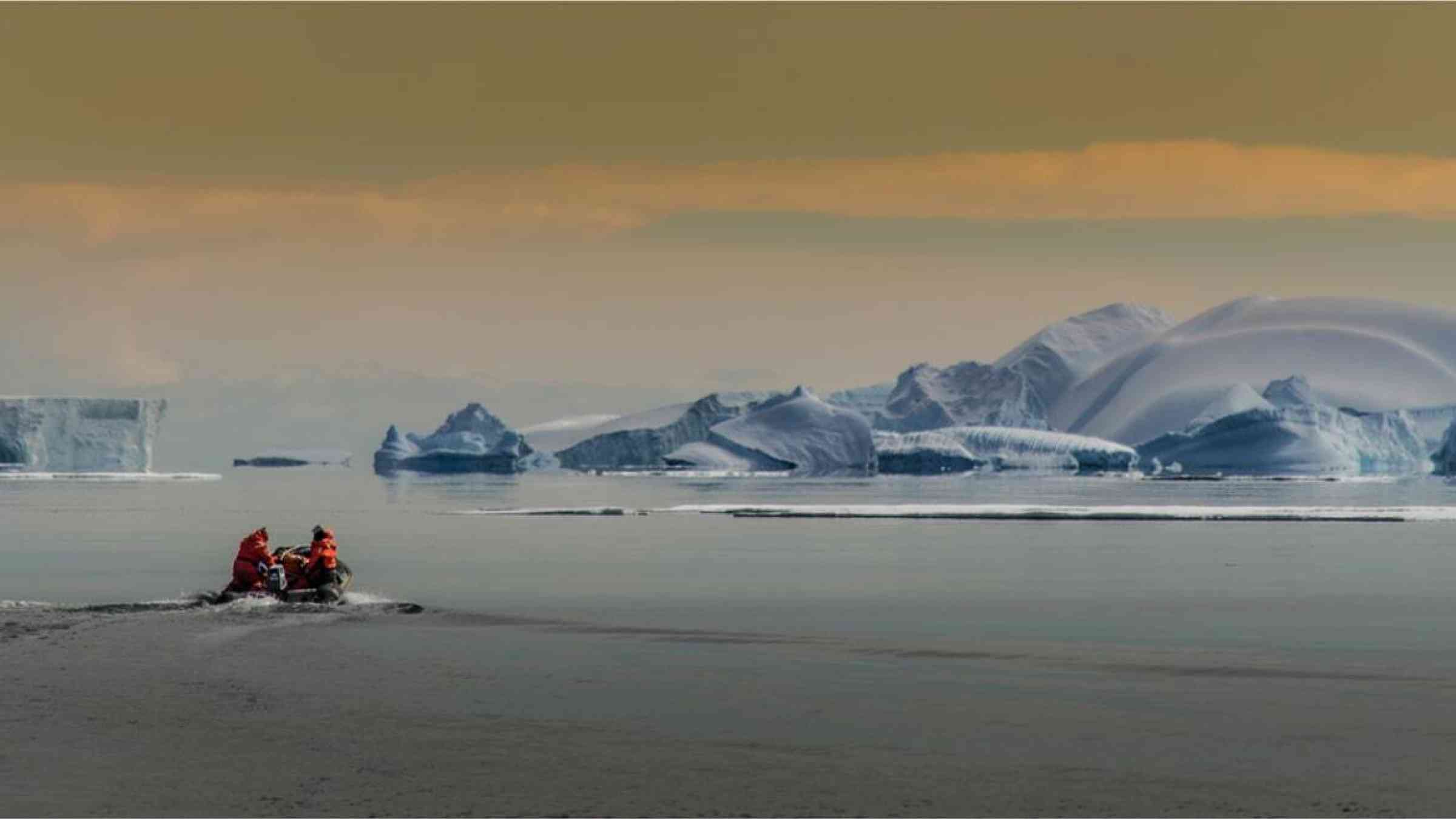
Researchers scout ice fields by boat
Research briefs

The West Antarctic Ice Sheet will continue to increase its rate of melting over the rest of the century, no matter how much we reduce fossil fuel use, according to British Antarctic Survey (BAS) research published in the journal Nature Climate Change.

British Antarctic Survey
Research briefs

Individual and social factors contribute to lack of preparedness, despite many available residential wildfire mitigation and educational programs, study reveals.

York University
Research briefs

A small increase in average monthly temperatures led to a 10-fold jump in the number of refugees.

Yale Climate Connections